
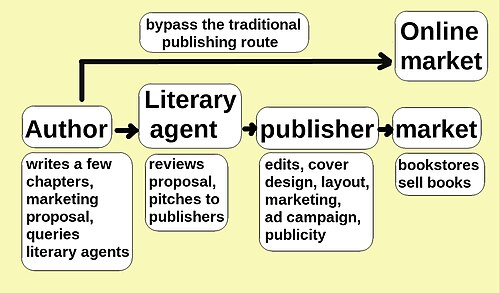
How to Design a Book That Sells in the Market
Creating a successful book is no longer only about writing powerful content. In today’s highly competitive publishing industry, book design plays a critical role in attracting readers, increasing sales, improving online visibility, and building author credibility. Whether you are publishing fiction, nonfiction, self-help, business, romance, or educational books, the visual presentation of your book can determine whether readers click “Buy Now” or ignore it completely.
According to recent publishing industry research, readers form an opinion about a book cover within seconds. Studies also show professionally designed books can significantly increase online conversion rates, reader trust, and market performance.
In the digital age dominated by Amazon Kindle, Apple Books, Google Play Books, and online bookstores, effective book design has become both a branding strategy and a marketing tool.
Why Book Design Matters More Than Ever
The global publishing market has become more competitive due to self-publishing platforms and digital accessibility. Millions of books are uploaded every year, making visibility and presentation essential.
Latest Publishing Research
Recent market studies reveal:
- Professionally designed book covers increase click-through rates dramatically.
- Readers associate high-quality design with better content credibility.
- Books with optimized typography and layout improve reader retention.
- Visual branding strongly influences online sales performance.
Book design now affects:
- Reader psychology
- Purchasing decisions
- Amazon rankings
- Social media marketing
- Brand identity
- Long-term sales success
A visually compelling book instantly communicates professionalism, authority, and emotional value.
1. Understand Your Target Audience
Before designing your book, you must understand who your readers are.
Important Questions to Ask
- What age group will read your book?
- What genre are you targeting?
- What emotional response should the design create?
- What types of covers are trending in your niche?
- What visual style attracts your audience?
Audience Psychology in Book Design
Different readers respond to different design elements.
Examples:
- Romance readers prefer emotional imagery and elegant typography.
- Business readers prefer clean, authoritative designs.
- Thriller readers respond to dark, suspenseful visuals.
- Self-help readers prefer positive and motivational aesthetics.
Understanding audience psychology improves market relevance and boosts book sales.
2. Create a Powerful Book Cover

Your book cover is your most important marketing asset.
Industry experts often say, “People absolutely judge a book by its cover.”
Essential Elements of a High-Selling Book Cover
A. Strong Typography
Typography directly impacts readability and emotional perception.
Use:
- Bold fonts for business and nonfiction
- Elegant fonts for romance
- Minimal fonts for modern branding
- Large readable text for online thumbnails
Latest Typography Research
Studies show readable typography improves user engagement and increases online click rates.
Your title must remain visible even in small mobile previews.
B. Eye-Catching Colors
Color psychology plays a major role in buyer behavior.
Popular Color Associations
- Red = excitement and urgency
- Blue = trust and professionalism
- Black = luxury and mystery
- Yellow = optimism and energy
- Green = growth and wellness
Current Book Design Trends
Modern best-selling covers often use:
- Minimalist color schemes
- High contrast visuals
- Bold focal points
- Clean compositions
Strong color choices improve visual recognition and marketability.
C. High-Quality Images and Graphics
Low-quality visuals instantly damage credibility.
Use:
- Professional photography
- High-resolution illustrations
- AI-assisted artwork carefully refined
- Custom branding graphics
Visual Marketing Research
Research indicates visually appealing products create stronger emotional engagement and higher conversion rates. A polished book cover helps your title compete effectively in crowded online marketplaces.
3. Optimize Your Book for Amazon and Google Rankings
Book design is now connected directly to discoverability.
Why SEO Matters for Authors
Search engine optimization helps readers find your book online.
Whether someone searches on:
- Amazon Kindle Store
- Google Search
- Apple Books
- Goodreads
- YouTube reviews
Your book needs optimized keywords and metadata.
Best SEO Strategies for Books
A. Use Powerful Keywords
Include high-ranking keywords in:
- Book title
- Subtitle
- Description
- Categories
- Metadata
Examples of Strong Book Keywords
- Best productivity book
- Self-help guide
- Digital marketing strategies
- Business growth mindset
- Healthy lifestyle habits
- Personal finance tips
Keyword optimization improves discoverability and ranking potential.
B. Write a Compelling Subtitle
A subtitle helps explain your book’s value clearly.
Example
Instead of: “Success Habits”
Use: “Success Habits: Proven Daily Strategies to Build Wealth, Productivity, and Mental Focus”
Subtitles improve SEO visibility and reader clarity.
C. Design for Thumbnail Visibility
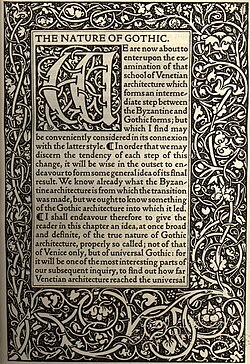
Most readers first see your book as a small image online.
Your cover must remain:
- Readable
- Visually balanced
- Instantly recognizable
Latest Mobile Shopping Research
Studies show mobile users dominate digital book purchases.
Thumbnail-friendly design significantly improves click-through performance.
4. Focus on Professional Interior Layout Design
A beautiful cover attracts readers, but interior design keeps them reading.
Poor formatting damages user experience and leads to negative reviews.
Important Interior Design Elements
A. Readable Typography
Choose professional fonts like:
- Garamond
- Baskerville
- Georgia
- Times New Roman
Avoid overly decorative fonts for body text.
Reader Experience Research
Publishing studies reveal that readable formatting improves comprehension and reading completion rates.
B. Proper Line Spacing and Margins
Good spacing prevents visual fatigue.
Use:
- Comfortable line spacing
- Balanced margins
- Clear paragraph breaks
- Consistent alignment
Professional formatting improves perceived quality.
C. Chapter Design and Visual Hierarchy
Use:
- Clear chapter headings
- Consistent structure
- Stylish dividers
- Visual breathing space
Readers prefer organized layouts that feel easy to navigate.
5. Build a Strong Author Brand
Modern publishing is heavily connected to personal branding.
Your book design should match your:
- Website
- Social media presence
- Marketing materials
- Author identity
Why Branding Matters
Readers trust consistency.
Successful authors often use recognizable:
- Font styles
- Color palettes
- Design themes
- Cover structures
Brand consistency increases recognition and long-term audience loyalty.
6. Use Emotional Marketing Psychology
Books sell when they create emotional connection.
Psychological Triggers That Increase Sales

- Curiosity
- Fear of missing out
- Inspiration
- Transformation
- Trust
- Desire for success
Your design should communicate emotion instantly.
Example
A self-help book should visually communicate:
- Hope
- Confidence
- Growth
- Positive change
A thriller should communicate:
- Tension
- Mystery
- Suspense
Emotion-driven design improves reader engagement.
7. Design for Social Media Marketing
Social media now drives major book sales.
Platforms like:
- Tok-tok (#BookTok)
- YouTube
strongly influence buying decisions.
Social Media-Friendly Design Tips
- Use bold visuals
- Create aesthetically pleasing covers
- Design shareable quote pages
- Maintain recognizable branding
- Use modern visual trends
Latest Book Tok Research
Research shows viral social media exposure can dramatically increase book sales within days.
Books with attractive visual aesthetics perform better on social platforms.
8. Use AI Tools Carefully in Book Design
Artificial intelligence is changing publishing workflows.
Many designers now use AI for:
- Concept generation
- Image enhancement
- Typography experiments
- Marketing mockups
Important Warning
AI-generated designs should still be refined professionally.
Readers quickly notice poor-quality or generic visuals.
The best-selling books combine:
- Human creativity
- Strategic branding
- Professional editing
- Smart technology use
9. Test Your Book Cover Before Publishing
Professional publishers frequently test multiple cover versions.
Ways to Test Your Cover
- Social media polls
- Reader feedback groups
- A/B testing ads
- Amazon thumbnail comparison
- Author communities
Why Testing Matters
Sometimes, small design changes can significantly improve click-through rates and sales. Data-driven design decisions produce stronger market performance.
10. Invest in Professional Design Services
While free design tools exist, investing in professional quality often delivers better long-term results.
Professional Designers Help With
- Market research
- Genre analysis
- Typography expertise
- Print formatting
- Visual branding
- Conversion optimization
Publishing Industry Insight
Many successful self-published authors treat book design as a business investment rather than an expense. Professional presentation increases trust and improves competitive positioning.
11. Optimize Print and Digital Formats
Modern books must work across multiple platforms.
Your design should be optimized for:
- Paperback editions
- Hardcover printing
- Kindle devices
- Tablets
- Smartphones
- Audiobook branding
Multi-Platform Design Importance
Readers consume content across many devices.
Responsive design consistency improves professionalism and user experience.
12. Create a Powerful Book Description
Even the best-designed book needs persuasive copywriting.
A High-Converting Book Description Should Include
- A strong opening hook
- Emotional benefits
- Reader transformation
- Social proof
- Keywords for SEO
- Clear call-to-action
Example CTA
“Start transforming your mindset and productivity today.”
Strong descriptions increase conversion rates and improve Amazon algorithm performance.
13. Follow Modern Book Design Trends in latest time
Publishing trends evolve rapidly.
Current Trending Book Design Styles
- Minimalist covers
- Bold typography
- Retro aesthetics
- AI-enhanced illustrations
- Clean luxury branding
- Soft pastel color palettes
- Cinematic imagery
Latest Consumer Design Research
Modern readers prefer visually clean and emotionally engaging designs. Overcrowded layouts often reduce visual impact.
14. Encourage Reader Reviews Through Design Quality
Readers are more likely to recommend visually appealing books.
Professional design contributes to:
- Better first impressions
- Higher perceived value
- Increased trust
- Positive reader experiences
Why Reviews Matter
Reviews influence:
- Amazon rankings
- Social proof
- Reader trust
- Conversion rates
High-quality presentation supports stronger reader satisfaction.
15. The Future of Book Design
The future of publishing is becoming increasingly digital, interactive, and AI-assisted.
Experts predict future trends will include:
- Interactive eBooks
- Personalized reading experiences
- AI-generated recommendations
- Immersive visual storytelling
- Enhanced audiobook branding
Authors who adapt to modern design strategies will remain more competitive in the evolving publishing landscape. Designing a book that sells in today’s market requires far more than creativity alone. Successful book design combines psychology, branding, SEO optimization, audience research, visual storytelling, and professional formatting.
In a highly competitive digital marketplace, readers make quick decisions based on visual presentation. A professionally designed book builds trust, improves discoverability, increases engagement, and drives long-term sales. You are self-publishing your first book or building a global author brand, and investing in strategic book design can dramatically improve your success.
By using strong typography, modern visual trends, emotional marketing techniques, SEO-driven metadata, and reader-focused formatting, you can create a book that not only looks professional but also performs strongly in the market. The publishing world continues evolving rapidly, and authors who combine compelling content with powerful design will have the greatest opportunity to stand out, rank higher on Google and Amazon, and achieve lasting success.
FAQs.
1. Why is book design important for sales?
Book design is one of the biggest factors influencing reader purchasing decisions. A professionally designed book cover creates a strong first impression and builds credibility instantly. Research in publishing psychology shows readers often judge the quality of a book within seconds based on its cover, typography, and layout.
An attractive design also improves online visibility on platforms like Amazon Kindle, Apple Books, and Google Play Books. In competitive digital marketplaces, visually appealing books receive more clicks, better engagement, and higher conversion rates.
2. What makes a book cover attractive to readers?
A successful book cover combines strong typography, balanced color psychology, emotional imagery, and clear branding. Readers are naturally drawn to covers that communicate emotion and genre instantly.
For example:
- Thriller books often use dark colors and suspenseful visuals.
- Romance books use elegant fonts and emotional imagery.
- Business books usually feature clean and professional layouts.
Modern research shows minimalist designs with bold focal points often perform best in online marketplaces.
3. How does SEO help book sales?
SEO (Search Engine Optimization) helps books appear in search results on Amazon and Google. Using powerful keywords in titles, subtitles, descriptions, and metadata increases discoverability. For example, if readers search for “productivity guide” or “self-help strategies,” books optimized with these keywords have a higher chance of ranking.
Good SEO improves:
- Organic traffic
- Amazon visibility
- Google ranking
- Reader discovery
- Online book sales
SEO has become essential for modern self-publishing success.
4. What are the best colors for book cover design?
Different colors create different emotional reactions. Popular color meanings include:
- Red = passion, urgency, excitement
- Blue = trust, intelligence, professionalism
- Black = luxury, mystery, authority
- Green = wellness, growth, calmness
- Yellow = energy, positivity, creativity
Color psychology research indicates that emotional color choices strongly influence buying behavior. The best color depends on your genre and audience.
5. Should self-published authors hire professional designers?
Yes. Professional book designers understand market trends, reader psychology, typography, and conversion-focused design strategies. Although free tools exist, professionally designed books often:
- Sell better
- Look more credible
- Receive stronger reviews
- Build author authority
- Perform better online
Many successful self-published authors consider professional design an investment rather than an expense.
6. What font styles work best for books?
Readable fonts improve reader experience and retention. Popular fonts include:
- Garamond
- Baskerville
- Georgia
- Helvetica
- Times New Roman
Experts recommend avoiding overly decorative fonts for body text because they reduce readability. Typography research shows readers stay engaged longer when text is visually comfortable.
7. How important is interior book formatting?
Interior formatting is extremely important because it affects readability and user experience.
Professional formatting includes:
- Proper spacing
- Clear headings
- Consistent typography
- Balanced margins
- Organized chapters
Poor formatting often leads to reader frustration and negative reviews. A polished interior layout improves professionalism and encourages readers to finish the book.
8. How can authors design books for Amazon Kindle?
Amazon Kindle books should be optimized for mobile devices and thumbnails. Important Kindle design tips include:
- Use large readable titles
- Avoid cluttered visuals
- Optimize image contrast
- Format properly for eReaders
- Include SEO-friendly metadata
Since many readers browse on smartphones, thumbnail visibility is critical for click-through rates.
9. What role does brand play in book design?
Branding helps authors create recognition and long-term audience trust. Strong author branding includes:
- Consistent cover styles
- Similar typography
- Recognizable color palettes
- Professional marketing visuals
Readers are more likely to purchase books from authors with a consistent visual identity. Branding also supports social media marketing and reader loyalty.
10. Can AI tools help with book design?
Yes, AI tools can assist with:
- Design concepts
- Image generation
- Layout experiments
- Marketing mockups
- Creative inspiration
However, experts recommend combining AI-generated ideas with professional editing and human creativity. Generic AI designs without refinement often look low-quality and fail to stand out in competitive marketplaces.
11. How do social media trends affect book design?
Social media platforms like TikTok, Instagram, and Pinterest heavily influence modern publishing trends. Books with visually attractive covers often perform better on:
- BookTok
- Instagram Reels
- YouTube reviews
- Pinterest boards
Recent studies show viral social media exposure can significantly increase book sales within short periods. Aesthetic book design has become a major marketing advantage.
12. What are the latest book design trends in 2026?
Current book design trends include:
- Minimalist layouts
- Bold typography
- Cinematic visuals
- Retro-inspired aesthetics
- AI-enhanced artwork
- Soft luxury color palettes
Modern readers prefer clean and emotionally engaging designs. Research suggests overly crowded covers often reduce visual effectiveness and online click rates.
13. How can authors test book cover effectiveness?
Authors can test book covers using:
- Social media polls
- Reader focus groups
- A/B testing advertisements
- Feedback communities
- Online surveys
Professional publishers frequently test multiple versions before final release. Small adjustments in typography, color, or imagery can significantly improve sales performance.
14. Why are subtitles important for books?
Subtitles improve clarity, SEO performance, and marketing impact. A strong subtitle explains:
- What the book offers
- Who it helps
- The transformation readers can expect
For example, “Master Your Mindset” is less effective than “Master Your Mindset: Proven Strategies for Productivity, Focus, and Success.” SEO-friendly subtitles increase discoverability and reader engagement.
15. What is the future of book design?
The future of book design is becoming more digital, interactive, and AI-powered.
Industry experts predict future publishing trends will include:
- Interactive eBooks
- Personalized reading experiences
- Enhanced audiobook branding
- Immersive storytelling visuals
- AI-driven reader recommendations
Authors who adapt to modern technology, SEO strategies, and audience preferences will remain more competitive in the evolving publishing industry. High-quality design will continue playing a major role in reader trust, discoverability, and long-term sales success.
fatimaali3rocket@gmail.comhttps://healthandtechnologies.comhttps://healthandtechnologies.com