

Complete Guide to Book Publishing for First-Time Authors
Writing a book is a remarkable achievement, but publishing it successfully is where the real journey begins. Complete Guide to Book Publishing for First-Time Authors is a highly competitive publishing industry, where first-time authors face countless opportunities and challenges. Whether you’re writing a novel, business book, self-help guide, memoir, children’s book, or educational content, understanding the modern publishing landscape can dramatically improve your chances of success.
The book publishing industry has evolved significantly in recent years. Artificial intelligence tools, self-publishing platforms, print-on-demand services, digital marketing, audiobook growth, and online bookstores have transformed how authors publish and sell books. As a result, first-time authors now have more control than ever before.
This comprehensive guide covers everything you need to know about book publishing in 2026, including traditional publishing, self-publishing, book marketing, Amazon Kindle Direct Publishing (KDP), author branding, and proven strategies that align with the latest Google ranking and content discovery trends.
Why Publishing a Book Is More Valuable Than Ever?
In the digital age, books remain one of the most powerful tools for building credibility, authority, and income.
Publishing a book can help you:
- Establish yourself as an expert
- Build a personal brand
- Generate passive income
- Grow your business
- Reach a global audience
- Create speaking opportunities
- Increase online visibility
- Build long-term credibility
With millions of readers actively searching for quality content online, publishing a book is no longer limited to famous authors or large publishing houses.
Step 1: Complete Your Manuscript Professionally
Before thinking about publishing, ensure your manuscript is polished and complete.
Many first-time authors rush into publishing and skip essential editing stages. This often leads to poor reviews and weak sales.
Essential Writing Checklist
✔ Complete the manuscript
✔ Review structure and flow
✔ Check grammar and spelling
✔ Improve readability
✔ Remove repetitive content
✔ Strengthen chapter transitions
✔ Verify facts and references
Today’s readers expect professional-quality books regardless of whether they are traditionally published or self-published.
Step 2: Understand Your Target Audience
One of the biggest publishing mistakes is writing for everyone.
Successful books solve a specific problem or entertain a specific audience.
Ask yourself:
Who is my ideal reader?
Consider:
- Age group
- Interests
- Profession
- Reading habits
- Pain points
- Goals
For example:
Instead of writing a generic fitness book, create:
“Weight Loss Strategies for Busy Professionals Over 40.”

Instead of a broad business book, write:
“AI-Powered Marketing Strategies for Small Businesses.”
Specific books often perform better in search engines and online marketplaces.
Step 3: Choose the Right Publishing Method
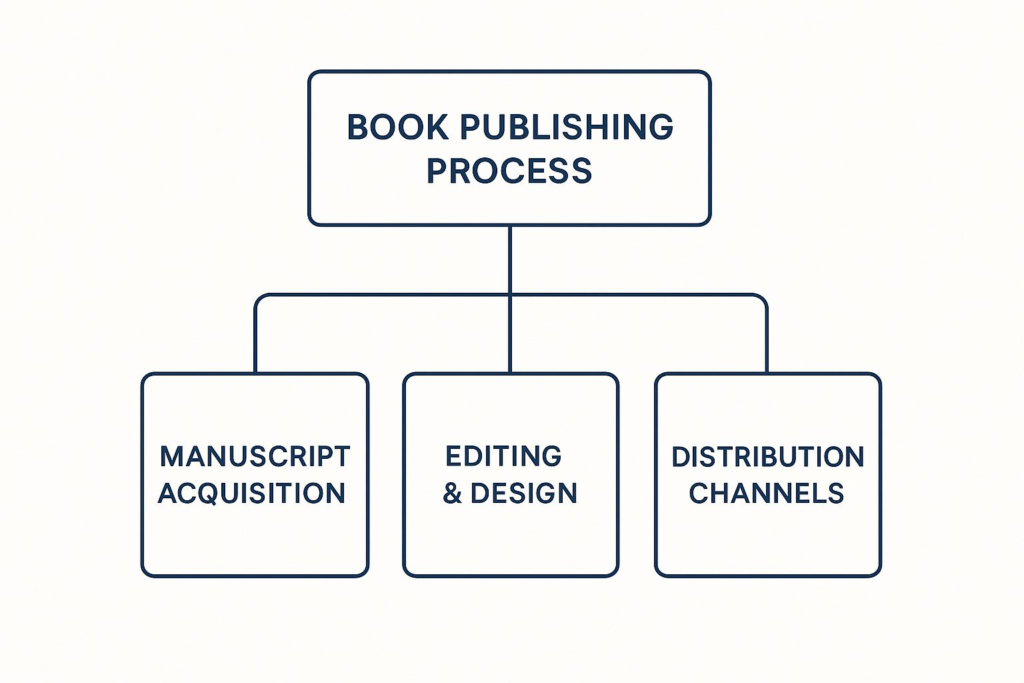
Modern authors generally choose between three publishing options.
Traditional Publishing
Traditional publishers handle:
- Editing
- Design
- Printing
- Distribution
- Marketing support
Advantages
- Industry credibility
- Professional publishing team
- Wider bookstore access
- Potential advance payments
Disadvantages
- Highly competitive
- Long approval process
- Lower royalty rates
- Less creative control
Popular publishers include:
- Penguin Random House
- HarperCollins
- Simon & Schuster
- Hachette
- Macmillan
Self-Publishing
Self-publishing has become the preferred choice for many first-time authors.
Platforms include:
- Amazon Kindle Direct Publishing (KDP)
- Draft2Digital
- IngramSpark
- Kobo Writing Life
- Apple Books
Advantages
- Higher royalties
- Full creative control
- Faster publication
- Global distribution
- Flexible pricing
Disadvantages
- Upfront costs
- Self-managed marketing
- Greater responsibility
Many bestselling authors now choose self-publishing because of its flexibility and profit potential.
Hybrid Publishing
Hybrid publishers combine traditional and self-publishing models.
Authors typically pay for publishing services while receiving professional support.
This option can be attractive for authors who want assistance without giving up complete control.
Step 4: Invest in Professional Editing
Editing is one of the most important investments you can make.
Even experienced writers need editors.
Types of Book Editing
Developmental Editing
Focuses on:
- Structure
- Story flow
- Character development
- Content organization
Copy Editing
Focuses on:
- Grammar
- Consistency
- Clarity
- Sentence structure
Proofreading
Focuses on:
- Final corrections
- Formatting issues
- Typographical errors
A professionally edited book significantly improves reader satisfaction and reviews.
Step 5: Create a Stunning Book Cover
People absolutely judge books by their covers.
Your cover acts as your book’s first marketing tool.
Elements of a High-Converting Cover
- Professional typography
- Strong visual hierarchy
- High-quality graphics
- Genre alignment
- Mobile-friendly design
Your cover should instantly communicate:
- Topic
- Genre
- Value proposition
A poorly designed cover can reduce sales regardless of content quality.
Step 6: Format Your Book Correctly
Modern publishing requires multiple formats.
Print Format
For paperback and hardcover editions.
eBook Format
Compatible with:
- Kindle
- Apple Books
- Kobo
- Nook
Audiobook Format
The audiobook industry continues growing rapidly in 2026.
Many readers now prefer listening rather than reading.
Professional formatting improves readability and enhances user experience.
Step 7: Obtain ISBN and Copyright Protection
ISBN (International Standard Book Number)
An ISBN helps retailers and libraries identify your book.
Many publishing platforms offer free ISBN options.
Copyright Registration
Although copyright generally exists automatically upon creation, official registration provides additional legal protection.
Protecting your intellectual property is essential in today’s digital environment.
Step 8: Publish on Amazon KDP
Amazon Kindle Direct Publishing remains the largest self-publishing platform worldwide.
Why KDP Is Popular
- Global reach
- Easy setup
- High royalties
- Print-on-demand services
- Kindle Unlimited exposure
Publishing Process
- Create a KDP account
- Upload manuscript
- Upload cover
- Add metadata
- Select keywords
- Set pricing
- Publish
Books can often go live within 72 hours.
Step 9: Optimize Your Book for Search Visibility
Modern book publishing is closely connected to SEO principles.
Powerful Book SEO Strategies
Use High-Intent Keywords
Examples:
- Self-publishing guide
- Book publishing for beginners
- How to publish a book
- Kindle publishing tips
- Author marketing strategies
Optimize Your Book Description
Include:
- Benefits
- Keywords
- Reader outcomes
- Emotional triggers
Choose Relevant Categories
Amazon categories influence visibility and ranking.
Select highly targeted categories instead of broad ones.
Step 10: Build Your Author Brand
Readers often buy authors, not just books.
A strong personal brand increases trust and repeat sales.
Essential Author Branding Elements

Professional Website
Include:
- Author bio
- Book pages
- Contact information
- Blog
- Newsletter signup
Social Media Presence
Focus on platforms where readers spend time:
- Tok-tok
- YouTube
Email Marketing
Email remains one of the most effective book marketing channels.
Build an email list from day one.
Step 11: Create a Powerful Book Launch Strategy
A successful launch can dramatically impact rankings and long-term sales.
Pre-Launch Activities
- Build anticipation
- Share excerpts
- Recruit beta readers
- Collect early reviews
- Create promotional content
Launch Week Strategies
- Social media campaigns
- Email announcements
- Podcast interviews
- Influencer outreach
- Book giveaways
Strong launches often improve visibility across Amazon algorithms and search engines.
Step 12: Leverage Audiobooks for Maximum Reach
Audiobooks are among the fastest-growing segments in publishing.
Popular platforms include:
- Audible
- Spotify Audiobooks
- Google Play Books
- Apple Books
Benefits include:
- Expanded audience
- Additional revenue
- Improved accessibility
- Strong market growth
Many successful authors now release print, digital, and audiobook versions simultaneously.
Step 13: Use AI Tools Wisely
Artificial intelligence has become an important tool for authors.
Useful applications include:
Content Research
Identify trends and reader interests.
Outline Creation
Generate structure ideas quickly.
Editing Assistance
Improve grammar and readability.
Marketing Content
Create social media posts and promotional materials.
However, authentic human creativity remains essential for building trust and originality.
Latest research
Google’s content evaluation continues evolving.
Successful author websites and book pages focus on:
Experience
Share real-world knowledge and personal insights.
Expertise
Demonstrate subject matter authority.
Author Authority
Build credibility through publishing history and media mentions.
Trustworthiness
Provide accurate information and transparent author profiles.
Additional Ranking Factors
- Helpful content
- User experience
- Fast website speed
- Mobile optimization
- Original insights
- Strong backlinks
Google increasingly rewards content that genuinely helps users rather than content written solely for search rankings.
Common Publishing Mistakes First-Time Authors Should Avoid
Publishing Too Early
Always complete professional editing first.
Ignoring Marketing
Even excellent books need promotion.
Weak Book Covers
Low-quality design hurts credibility.
Poor Keyword Research
Visibility depends heavily on discoverability.
No Email List
Audience ownership matters more than ever.
Unrealistic Expectations
Book publishing is a long-term strategy, not an overnight success formula.
Future Trends in Book Publishing
The publishing industry continues evolving rapidly.
AI-Assisted Publishing
Authors use AI for research and productivity.
Personalized Reading Experiences
Readers increasingly expect tailored recommendations.
Growth of Audiobooks
Audio consumption continues expanding worldwide.
Direct-to-Reader Sales
More authors are selling directly through personal websites.
Interactive Digital Books
Enhanced eBooks with multimedia features are becoming more popular.
Global Digital Distribution
Authors can instantly reach international audiences. These trends create exciting opportunities for new authors entering the market. Publishing your first book in 2026 is more accessible than ever before. Whether you choose traditional publishing, self-publishing, or a hybrid approach, success depends on preparation, professionalism, and persistence.
Focus on creating exceptional content, understanding your audience, investing in quality editing and design, optimizing discoverability, and building a strong author brand. The most successful authors treat publishing as both a creative endeavor and a business.
A well-written book can open doors to new opportunities, generate long-term income, and establish your authority in your field. By following the strategies outlined in this guide, you’ll be well-positioned to navigate the modern publishing landscape and give your book the best possible chance of success.
The journey from manuscript to published author may seem complex, but with the right strategy, dedication, and marketing approach, your first book can become the foundation of a thriving author career.
FAQs.
1. How Do First-Time Authors Publish a Book Successfully in 2026?
Publishing a book as a first-time author has become easier than ever thanks to self-publishing platforms, Amazon Kindle Direct Publishing (KDP), print-on-demand services, and digital publishing technology. The process typically involves writing a high-quality manuscript, professional editing, book formatting, cover design, obtaining an ISBN, selecting publishing platforms, and implementing a strong book marketing strategy. Successful first-time authors focus on author branding, SEO optimization, keyword research, and audience building before launch. Whether choosing traditional publishing, hybrid publishing, or self-publishing, authors who invest in professional services and long-term promotion achieve the best results.
Powerful Keywords: First-time author, publish a book, self-publishing, Amazon KDP, book publishing guide, Kindle publishing, author success, publishing platform, book launch strategy, bestseller book.
2. What Is the Best Publishing Method for New Authors?
The best publishing method depends on your goals, budget, timeline, and creative preferences. Traditional publishing offers professional support and industry credibility, while self-publishing provides higher royalties, complete creative control, and faster publication. Many modern authors prefer self-publishing because it allows them to retain ownership and earn more revenue. Hybrid publishing combines elements of both models. In 2026, successful authors often choose platforms like Amazon KDP, Ingram Spark, and Draft2Digital to maximize distribution and profitability.
Powerful Keywords: Traditional publishing, self-publishing, hybrid publishing, publishing options, publishing companies, author royalties, book distribution, independent author, publishing success, digital publishing.
3. How Much Does It Cost to Publish a Book?
The cost of publishing a book varies significantly depending on the publishing route and service quality. Self-published authors may spend anywhere from $200 to $5,000 or more on professional editing, cover design, formatting, marketing, audiobook production, and website development. Traditional publishers often cover production costs but may offer lower royalties. Investing in professional services can dramatically improve reader experience, book reviews, and long-term sales performance.
Powerful Keywords: Book publishing cost, self-publishing expenses, book editing services, professional book cover, publishing budget, publishing investment, author expenses, book production cost, publishing services, book marketing budget.
4. How Important Is Professional Editing Before Publishing?
Professional editing is one of the most critical steps in the publishing process. Even experienced writers need editors to improve clarity, consistency, grammar, readability, and structure. Books with poor editing often receive negative reviews and struggle to gain traction. Developmental editing, copy editing, and proofreading work together to create a polished, market-ready manuscript. Investing in editing improves credibility and increases the chances of commercial success.
Powerful Keywords: Professional editing, manuscript editing, copy editing, proofreading services, developmental editing, book quality, polished manuscript, editing process, publishing standards, professional author.
5. How Can Authors Optimize Their Book for Amazon and Google Search Rankings?
Modern publishing success depends heavily on discoverability. Authors should conduct keyword research, optimize book titles and subtitles, write compelling book descriptions, select appropriate categories, and create high-quality author websites. Google’s latest ranking systems prioritize helpful, trustworthy, and experience-based content. Authors who consistently publish valuable content and build authority can improve visibility across both search engines and online bookstores.
Powerful Keywords: Amazon SEO, book SEO, keyword optimization, Google ranking, book visibility, search engine optimization, Amazon algorithms, book metadata, content marketing, discoverability.
6. What Are the Most Effective Book Marketing Strategies for First-Time Authors?
Successful book marketing combines multiple channels and tactics. Authors should build an email list, create an author website, engage on social media, seek podcast interviews, collaborate with influencers, run promotional campaigns, and encourage reader reviews. Consistent marketing before and after publication is essential for long-term growth. The most successful authors treat marketing as an ongoing activity rather than a one-time launch event.
Powerful Keywords: Book marketing, author platform, email marketing, book promotion, social media marketing, author branding, reader engagement, launch campaign, digital marketing, book sales.
7. Should First-Time Authors Publish an eBook, Paperback, Hardcover, or Audiobook?
Many successful authors publish in multiple formats to maximize reach and revenue. eBooks offer affordability and global accessibility, paperbacks remain popular among traditional readers, hardcovers provide premium appeal, and audiobooks continue experiencing rapid growth. Releasing multiple formats simultaneously can increase visibility, improve customer experience, and create multiple income streams.
Powerful Keywords: eBook publishing, paperback publishing, hardcover books, audiobook production, digital books, print books, publishing formats, Audible publishing, Kindle books, book distribution.
8. How Long Does It Take to Publish a Book?
Publishing timelines vary depending on the publishing method. Traditional publishing can take one to three years due to submissions, approvals, editing, and production schedules. Self-publishing can be completed within weeks once the manuscript is ready. However, authors should allocate sufficient time for editing, formatting, cover design, marketing preparation, and audience building to maximize success.
Powerful Keywords: Publishing timeline, book launch, manuscript preparation, publishing process, book production, publishing schedule, author planning, self-publishing timeline, traditional publishing process, publication date.
9. What Common Mistakes Do First-Time Authors Make?
Common mistakes include skipping professional editing, choosing poor book covers, neglecting marketing, ignoring keyword research, publishing too quickly, selecting the wrong categories, and failing to build an audience before launch. Many new authors focus entirely on writing while overlooking promotion and discoverability. Avoiding these mistakes can significantly improve publishing outcomes and reader satisfaction.
Powerful Keywords: Publishing mistakes, author errors, book marketing mistakes, self-publishing tips, publishing advice, author success strategies, book launch mistakes, writing mistakes, publishing challenges, first-time author tips.
10. Can Publishing a Book Become a Full-Time Income Source?
Yes, publishing can become a significant income source when approached strategically. Successful authors often build multiple revenue streams through book sales, audiobooks, speaking engagements, online courses, consulting, memberships, and affiliate partnerships. Consistent publishing, audience growth, strong branding, and effective marketing contribute to long-term profitability. While few books become overnight bestsellers, a growing catalog of quality books can create sustainable passive income over time.
Powerful Keywords: Author income, passive income, book royalties, publishing business, author career, online income, bestselling author, publishing profits, digital entrepreneurship, book revenue.
fatimaali3rocket@gmail.comhttps://healthandtechnologies.comhttps://healthandtechnologies.com