
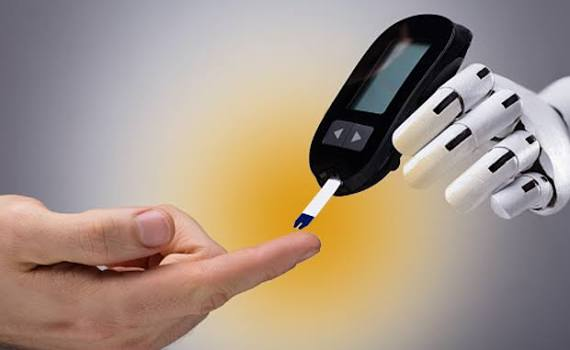
Early Best Symptoms of Diabetes and AI Detection 3126:
Early Best Symptoms of Diabetes and AI Detection 3126:Diabetes is often called a “silent disease” because its early symptoms can develop gradually and go unnoticed for months or even years. According to global health organizations, millions of people are living with diabetes without knowing it, putting them at risk for serious complications such as heart disease, kidney failure, nerve damage, and vision loss. The good news is that advances in Artificial Intelligence (AI) and digital healthcare technologies are making early detection faster, smarter, and more accessible than ever before. In this comprehensive guide, you’ll learn:
- The earliest warning signs of diabetes
- Which age groups are most at risk?
- How AI is transforming diabetes detection
- Prevention and treatment options
- The latest technology helping patients manage their health
What Is Diabetes?
Diabetes is a chronic health condition that affects how the body processes blood sugar (glucose). Glucose is the body’s primary source of energy. The hormone insulin helps move glucose from the bloodstream into cells. When insulin production is insufficient or the body cannot use insulin effectively, blood sugar levels rise, leading to diabetes.
Main Types of Diabetes
Type 1 Diabetes
- Autoimmune condition
- Usually develops in children and young adults
- Requires lifelong insulin therapy
Type 2 Diabetes
- Most common form
- Often linked to lifestyle and genetics
- Can sometimes be prevented or delayed
Prediabetes
- Blood sugar levels are higher than normal
- Not yet diabetes
- Early intervention can prevent progression
Gestational Diabetes
- Occurs during pregnancy
- Usually resolves after childbirth
- Increases future diabetes risk
Early Symptoms of Diabetes You Should Never Ignore
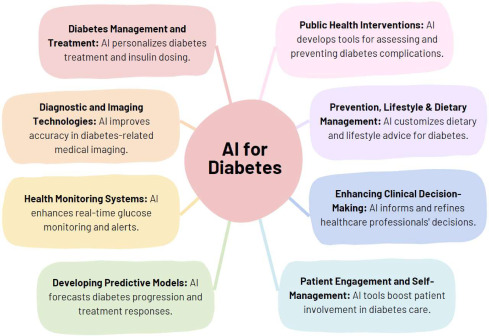
Many people dismiss the initial signs as stress, aging, dehydration, or a busy lifestyle. Recognizing these symptoms early can make a significant difference.
1. Frequent Urination
One of the earliest and most common warning signs. When blood sugar levels become too high, the kidneys work harder to remove excess glucose through urine.
Signs:
- Frequent bathroom visits
- Waking up multiple times at night
- Increased urine volume
2. Excessive Thirst
Frequent urination causes fluid loss. The body responds by triggering thirst signals.
Red Flags:
- Constant dry mouth
- Drinking more water than usual
- Feeling thirsty even after drinking
3. Unexplained Fatigue
High blood sugar prevents cells from efficiently using glucose for energy. As a result:
- Low energy levels
- Difficulty concentrating
- Persistent tiredness
Many people attribute this symptom to work stress or lack of sleep.
4. Increased Hunger
Despite eating regular meals, your body may struggle to convert glucose into usable energy. This can lead to:
- Constant hunger
- Frequent snacking
- Sugar cravings
5. Blurred Vision
Elevated blood sugar levels can affect fluid balance in the eyes.
Symptoms include:
- Blurry vision
- Difficulty focusing
- Eye strain. This symptom often improves once blood sugar is controlled.
6. Slow-Healing Wounds
High glucose levels can damage blood vessels and impair circulation. Watch for:
- Cuts taking longer to heal
- Frequent skin infections
- Persistent sores
7. Tingling or Numbness
Nerve damage can begin early. Common locations:
- Hands
- Feet
- Legs
This condition is known as diabetic neuropathy.
8. Sudden Weight Loss
Unexpected weight loss may occur, especially in Type 1 diabetes. The body begins burning muscle and fat for energy when it cannot properly use glucose.
9. Frequent Infections
High blood sugar creates an environment where bacteria and fungi thrive. Common infections include:
- Urinary tract infections
- Skin infections
- Gum disease
- Yeast infections
10. Dark Patches of Skin
Known as Acanthosis Nigricans, these dark velvety patches often appear around:
- Neck
- Armpits
- Groin. They may indicate insulin resistance.
Diabetes Symptoms by Age Group
Understanding age-specific symptoms helps improve awareness.
Children and Teenagers (5–18 Years)
More likely to develop Type 1 diabetes.
Common Signs:
- Bedwetting
- Extreme thirst
- Weight loss
- Fatigue. Parents should seek medical evaluation immediately if symptoms appear.
Adults (18–45 Years)
Increasing obesity rates have caused Type 2 diabetes cases to rise among younger adults.
Common Symptoms:
- Fatigue
- Frequent urination
- Increased hunger
- Weight gain
Middle-Aged Adults (45–65 Years)
Risk increases significantly after age 45.
Additional Risk Factors:
- Sedentary lifestyle
- High blood pressure
- Obesity
- Family history
Seniors (65+ Years)
Symptoms may be subtle.
Often Misdiagnosed As:
- Aging
- Memory problems
- Fatigue
- Vision changes. Regular screening is especially important.
Major Risk Factors for Diabetes
You may have an increased risk if you have:
- Family history of diabetes
- Obesity
- High blood pressure
- High cholesterol
- Physical inactivity
- Polycystic Ovary Syndrome (PCOS)
- Previous gestational diabetes
- Smoking habits
How AI Is Revolutionizing Diabetes Detection
Artificial Intelligence is becoming one of the most exciting breakthroughs in modern healthcare. AI systems can analyze enormous amounts of health data and identify patterns that humans might miss.
AI-Powered Diabetes Screening
Modern AI tools can evaluate:
- Blood test results
- Medical history
- Lifestyle habits
- Genetic information
- Wearable device data
These systems estimate diabetes risk before symptoms become severe.
Smart Wearables and Continuous Monitoring
Today’s smart devices provide real-time health insights.
Examples include:
Smartwatches
Can track:
- Heart rate
- Sleep quality
- Physical activity
- Stress levels
Continuous Glucose Monitors (CGMs)
These devices monitor blood sugar 24/7. Benefits include:
- Early alerts
- Better glucose control
- Reduced complications
AI and Predictive Healthcare
One of AI’s most powerful abilities is prediction. Using machine learning algorithms, healthcare systems can identify:
- Prediabetes risk
- Future complications
- High-risk patients
This allows doctors to intervene earlier.
Latest AI Innovations in Diabetes Care
Several emerging technologies are reshaping diabetes management.
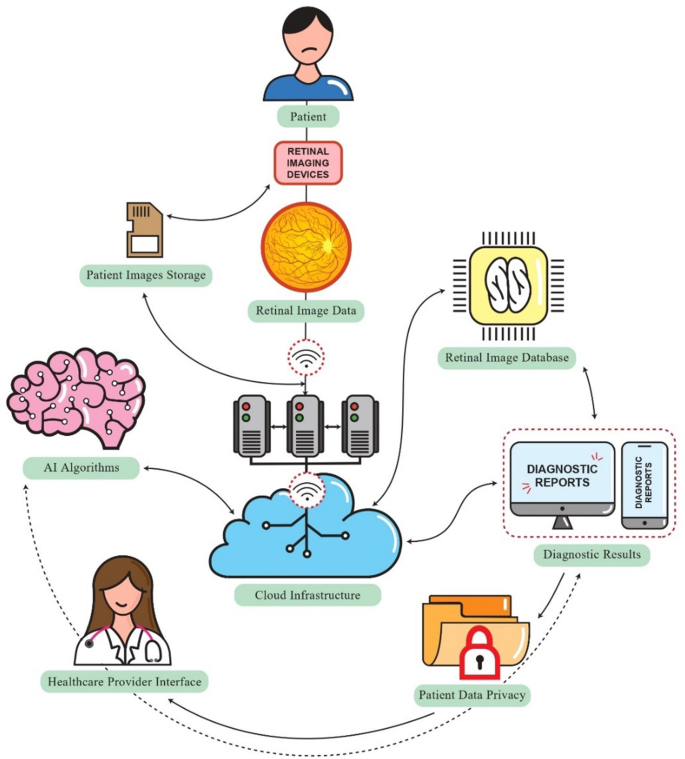
AI-Powered Retinal Scans
Researchers have developed systems capable of detecting diabetes-related eye changes from retinal images. This technology may help diagnose diabetes during routine eye exams.
Smartphone-Based Screening
New AI applications can analyze:
- Lifestyle patterns
- Activity levels
- Health data
Some apps provide personalized risk assessments and health recommendations.
Digital Health Platforms
Healthcare providers increasingly use AI dashboards to:
- Monitor patients remotely
- Track glucose trends
- Predict emergencies
Can AI Replace Doctors?
No.
AI is a powerful support tool, but not a replacement for healthcare professionals. AI helps by:
- Identifying risks earlier
- Processing large datasets quickly
- Supporting decision-making
- Doctors remain essential for diagnosis, treatment planning, and patient care.
How to Prevent Diabetes
Prevention is often possible, especially for Type 2 diabetes.
1. Maintain a Healthy Weight
Even modest weight loss can significantly reduce diabetes risk.
2. Exercise Regularly
Aim for:
- 150 minutes of moderate activity weekly
- Walking
- Cycling
- Swimming, Regular movement improves insulin sensitivity.
3. Eat a Balanced Diet
Focus on:
Recommended Foods
- Vegetables
- Fruits
- Whole grains
- Lean proteins
- Healthy fats
Limit
- Sugary drinks
- Processed foods
- Excess refined carbohydrates
4. Get Quality Sleep
Poor sleep can negatively affect blood sugar regulation.
Adults should aim for:
- 7–9 hours per night
5. Monitor Health Regularly
Routine health checks can identify:
- Prediabetes
- Elevated glucose levels
- Risk factors
Early action leads to better outcomes.
Treatment Options for Diabetes
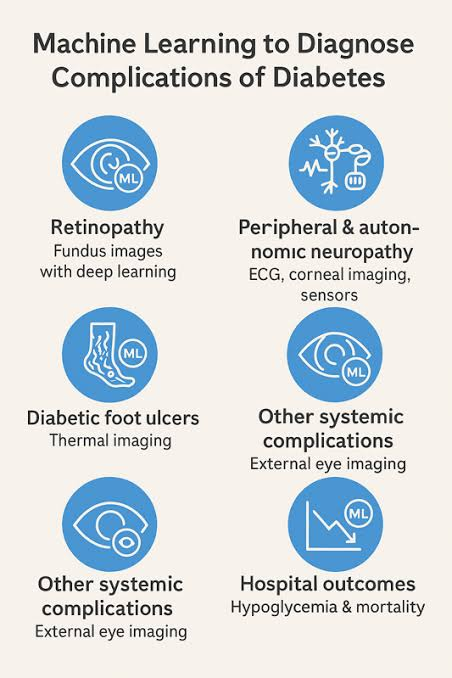
Treatment depends on the type and severity of diabetes.
Lifestyle Changes
Many people successfully manage blood sugar through:
- Healthy eating
- Exercise
- Weight management
Medications
Doctors may prescribe:
- Metformin
- GLP-1 receptor agonists
- SGLT2 inhibitors
- Other glucose-lowering medications
Treatment varies based on individual needs.
Insulin Therapy
Required for:
- Type 1 diabetes
- Some advanced Type 2 diabetes cases
Modern insulin delivery systems include smart insulin pens and insulin pumps.
When Should You See a Doctor?
Seek medical advice if you experience:
- Excessive thirst
- Frequent urination
- Unexplained weight loss
- Blurred vision
- Persistent fatigue
Early diagnosis dramatically improves long-term health outcomes. At the same time, AI-powered healthcare technologies, smart wearables, predictive analytics, and continuous monitoring systems are opening new possibilities for earlier detection and more personalized care. As these technologies continue to evolve, they have the potential to make diabetes screening more accessible, efficient, and proactive. The combination of awareness, regular health screening, healthy lifestyle choices, and emerging AI tools may be one of the most effective ways to combat diabetes and support better health outcomes in the years ahead.
FAQs.
Can diabetes be detected before symptoms appear?
Yes. Blood tests and AI-powered risk assessment tools can often identify prediabetes or elevated risk before noticeable symptoms develop.
Is AI accurate in detecting diabetes?
AI systems have shown promising results in identifying risk factors and patterns. However, they should complement, not replace, professional medical evaluation.
Can wearable devices diagnose diabetes?
Wearables can monitor health indicators and provide useful insights, but they cannot independently diagnose diabetes.
Is Type 2 diabetes reversible?
Some people can achieve remission through significant lifestyle changes, weight management, and medical supervision.
1. What are the earliest symptoms of diabetes?
The earliest symptoms of diabetes often develop gradually and may be overlooked. Common warning signs include frequent urination, excessive thirst, unexplained fatigue, increased hunger, blurred vision, and slow-healing wounds. Some people may also experience tingling or numbness in their hands and feet due to nerve involvement. In many cases, symptoms appear so slowly that individuals assume they are simply tired, stressed, or aging. Recognizing these early signs is important because untreated diabetes can lead to serious complications affecting the heart, kidneys, eyes, and nervous system. If you notice multiple symptoms occurring together, consult a healthcare professional for blood sugar testing and a complete evaluation.
2. Why is diabetes often called a “silent disease”?
Diabetes is frequently referred to as a “silent disease” because many people have it for years without realizing it. Blood sugar levels can gradually rise without causing severe symptoms in the early stages. Some individuals may feel generally tired or thirsty but not recognize these as signs of a medical condition. Prediabetes, which often develops before Type 2 diabetes, usually has no obvious symptoms at all. This lack of noticeable warning signs means that many people are diagnosed only after complications begin to develop. Regular health screenings and awareness of risk factors can help identify diabetes before serious damage occurs.
3. Which age groups are most at risk of developing diabetes?
Diabetes can affect people of all ages, but certain age groups face higher risks. Type 1 diabetes commonly develops in children, teenagers, and young adults, while Type 2 diabetes is more prevalent among adults over the age of 45. However, increasing rates of obesity and sedentary lifestyles have caused Type 2 diabetes to become more common in younger adults and even adolescents. Seniors are also at increased risk due to age-related changes in metabolism and insulin sensitivity. Individuals with a family history of diabetes, obesity, high blood pressure, or unhealthy lifestyle habits should pay particular attention to screening regardless of age.
4. How does AI help detect diabetes earlier?
Artificial Intelligence (AI) helps detect diabetes by analyzing large amounts of health data and identifying patterns that may indicate elevated risk. AI systems can evaluate blood test results, electronic health records, lifestyle habits, genetic information, and wearable device data. These advanced algorithms can detect subtle trends that might be difficult for humans to identify quickly. By recognizing warning signs earlier, AI tools can alert healthcare providers and patients before diabetes progresses to a more severe stage. This early intervention can improve treatment outcomes and reduce the risk of complications.
5. Can AI diagnose diabetes without a doctor?
No, AI cannot independently diagnose diabetes. While AI technology is becoming increasingly sophisticated, it serves as a support tool rather than a replacement for medical professionals. AI can analyze data, identify risk factors, and provide predictive insights, but a licensed healthcare provider must interpret results, confirm a diagnosis, and develop an appropriate treatment plan. Medical diagnosis involves considering a patient’s complete health history, physical examination, laboratory tests, and clinical judgment. AI enhances healthcare by providing additional information, but human expertise remains essential.
6. What wearable devices can help monitor diabetes risk?
Several wearable devices can support diabetes monitoring and risk assessment. Smartwatches can track physical activity, heart rate, sleep quality, and stress levels, all of which influence metabolic health. Continuous Glucose Monitors (CGMs) are among the most advanced tools available, providing real-time blood sugar readings throughout the day and night. Fitness trackers can also encourage healthy lifestyle habits by monitoring exercise and calorie expenditure. While these devices do not replace medical testing, they provide valuable data that can help users and healthcare providers make informed decisions about diabetes prevention and management.
7. What is prediabetes, and how is it related to diabetes?
Prediabetes is a condition in which blood sugar levels are higher than normal but not high enough to meet the criteria for diabetes. It serves as an early warning sign that the body is becoming less effective at managing glucose. Many people with prediabetes have no symptoms, making routine screening important. Without intervention, prediabetes often progresses to Type 2 diabetes. The good news is that lifestyle changes such as weight loss, healthier eating, and increased physical activity can often prevent or delay the development of diabetes. AI-powered risk assessment tools may also help identify individuals with prediabetes earlier.
8. Can AI predict who will develop diabetes in the future?
AI has shown promising potential in predicting future diabetes risk. By analyzing historical health data, lifestyle patterns, family history, laboratory results, and wearable device information, AI systems can estimate the likelihood of an individual developing diabetes. Predictive models help healthcare providers identify high-risk patients who may benefit from preventive interventions. While no prediction system is perfect, AI can improve the accuracy and speed of risk assessment compared to traditional methods alone. This proactive approach supports earlier prevention and personalized healthcare planning.
9. What are the most common risk factors for Type 2 diabetes?
Several factors increase the likelihood of developing Type 2 diabetes. Obesity, particularly excess abdominal fat, is one of the strongest risk factors. Other contributors include physical inactivity, unhealthy dietary habits, family history of diabetes, high blood pressure, elevated cholesterol levels, smoking, and advancing age. Certain ethnic groups and individuals with conditions such as polycystic ovary syndrome (PCOS) may also face increased risk. Understanding these risk factors allows individuals to take preventive measures and seek screening when appropriate.
10. How accurate are AI-powered diabetes detection tools?
AI-powered diabetes detection tools have demonstrated impressive accuracy in many research studies and clinical settings. Machine learning algorithms can identify patterns associated with diabetes risk by processing large datasets quickly and efficiently. However, accuracy varies depending on the quality of data, the specific algorithm used, and the healthcare environment. AI should be viewed as an additional layer of support rather than a standalone diagnostic solution. Combining AI analysis with laboratory testing and professional medical evaluation provides the most reliable results.
11. Can diabetes be prevented?
Many cases of Type 2 diabetes can be prevented or delayed through healthy lifestyle choices. Maintaining a healthy weight, eating a balanced diet rich in whole foods, exercising regularly, getting adequate sleep, and managing stress can significantly reduce diabetes risk. Regular health screenings can also identify prediabetes before it progresses. Although Type 1 diabetes cannot currently be prevented, ongoing research continues to explore potential prevention strategies. Prevention efforts are most effective when started early, especially for individuals with known risk factors.
12. How does continuous glucose monitoring work?
Continuous Glucose Monitoring (CGM) systems use a small sensor placed under the skin to measure glucose levels throughout the day and night. The sensor sends data to a smartphone or monitoring device, allowing users to track blood sugar trends in real time. CGMs provide valuable information about how food, exercise, medication, and stress affect glucose levels. Many modern systems also offer alerts when blood sugar becomes too high or too low. AI technologies are increasingly integrated into CGM systems to provide predictive insights and personalized recommendations.
13. What role does AI play in diabetes management after diagnosis?
After a diabetes diagnosis, AI can help patients and healthcare providers manage the condition more effectively. AI-powered platforms analyze blood sugar readings, medication schedules, dietary habits, and activity levels to generate personalized recommendations. Some systems can predict potential glucose fluctuations and suggest adjustments to prevent complications. AI can also assist healthcare professionals by identifying treatment patterns that produce the best outcomes. These technologies support better decision-making and help patients maintain healthier blood sugar levels over time.
14. When should someone get tested for diabetes?
Individuals should consider diabetes testing if they experience symptoms such as excessive thirst, frequent urination, fatigue, blurred vision, unexplained weight loss, or slow-healing wounds. Testing is also recommended for adults over age 45, people who are overweight, those with a family history of diabetes, and individuals with other risk factors such as high blood pressure or elevated cholesterol. Early testing can detect prediabetes or diabetes before significant complications develop, allowing for timely treatment and lifestyle modifications.
15. What does the future of AI in diabetes care look like?
The future of AI in diabetes care is highly promising. Researchers are developing increasingly sophisticated systems capable of predicting disease risk, optimizing treatment plans, and providing real-time health monitoring. Future innovations may include more accurate wearable devices, AI-assisted insulin delivery systems, advanced digital health platforms, and predictive tools that identify complications before symptoms arise. As technology continues to evolve, AI is expected to play a larger role in preventive healthcare, helping millions of people manage diabetes more effectively and improve their overall quality of life.
fatimaali3rocket@gmail.comhttps://healthandtechnologies.comhttps://healthandtechnologies.com