
Early Common Signs of Fatty Liver Disease 3126
Meta Title: Early Signs of Fatty Liver Disease: How AI Is Revolutionizing Early Detection and Prevention in 2026. Discover the early signs of fatty liver disease and how artificial intelligence (AI) is transforming diagnosis, screening, and treatment. The latest WHO-backed insights and cutting-edge medical advances.
Early Signs of Fatty Liver Disease: How AI Is Improving Detection
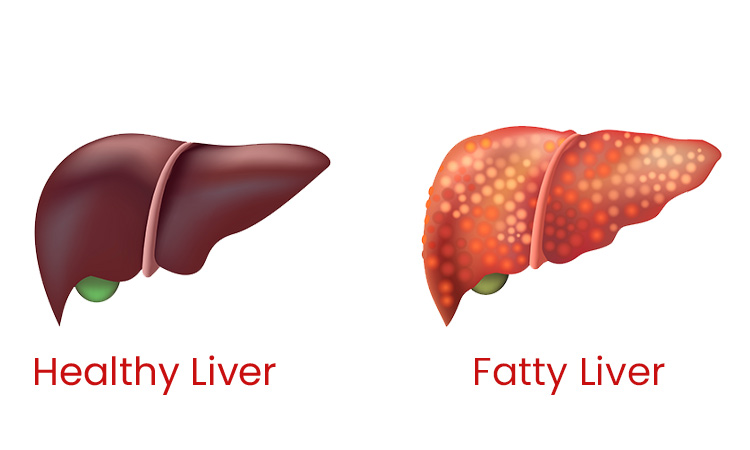
Fatty liver disease has emerged as one of the fastest-growing global health concerns, affecting hundreds of millions of people worldwide. Often called a “silent disease,” it can develop for years without noticeable symptoms, leading to severe complications such as liver fibrosis, cirrhosis, liver failure, and even liver cancer.
According to the World Health Organization (WHO) and leading liver health organizations, the global rise in obesity, type 2 diabetes, sedentary lifestyles, and unhealthy dietary habits has significantly increased the prevalence of fatty liver disease. Early diagnosis is critical because liver damage can often be reversed during the initial stages. However, traditional screening methods frequently fail to identify patients before complications occur.
Today, Artificial Intelligence (AI) is transforming liver disease detection by enabling faster, more accurate, and earlier diagnosis than ever before. Advanced machine learning algorithms, medical imaging analysis, predictive analytics, and digital health platforms are helping healthcare professionals identify fatty liver disease long before symptoms become severe.
This article explores the early signs of fatty liver disease, current global trends, WHO recommendations, and how AI-driven technologies are reshaping liver healthcare.
Understanding Fatty Liver Disease

Fatty liver disease occurs when excessive fat accumulates in liver cells. While a small amount of fat in the liver is normal, excess fat can trigger inflammation and long-term liver damage.
The condition is broadly categorized into:
1. Non-Alcoholic Fatty Liver Disease (NAFLD)
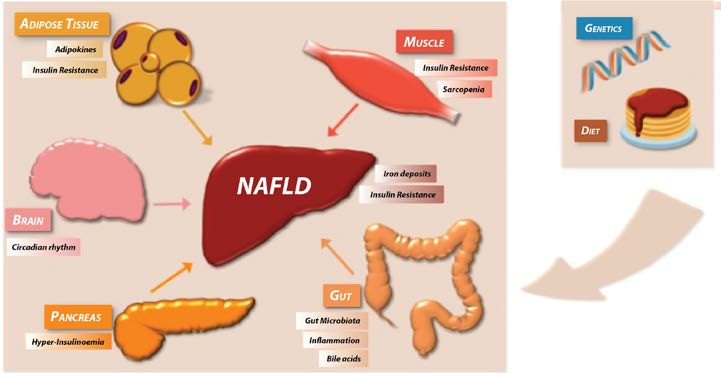
NAFLD develops in individuals who consume little or no alcohol. It is strongly associated with:
- Obesity
- Type 2 diabetes
- High cholesterol
- Metabolic syndrome
- Insulin resistance
Recently, medical experts have increasingly adopted the term Metabolic Dysfunction-Associated Steatotic Liver Disease (MASLD) to better reflect the metabolic causes of the condition.
2. Alcohol-Related Fatty Liver Disease
This form results from excessive alcohol consumption and may progress to alcoholic hepatitis and cirrhosis if untreated.
Global Burden of Fatty Liver Disease
WHO and global health researchers report a dramatic increase in liver disease worldwide.
Current estimates suggest that:
- Approximately 30% of the world’s population may have fatty liver disease.
- Rates are rising among younger adults and adolescents.
- Obesity and diabetes epidemics are driving increased incidence.
- Liver disease-related deaths continue to rise globally.
Many individuals remain undiagnosed because symptoms often appear only after significant liver damage has occurred. This growing public health challenge has intensified efforts to improve screening and early detection strategies.
Early Signs of Fatty Liver Disease
One of the biggest challenges in combating fatty liver disease is recognizing its early warning signs. In many cases, symptoms are subtle or absent.
1. Persistent Fatigue
Chronic tiredness is one of the most commonly reported early symptoms. Patients often experience:
- Low energy levels
- Difficulty concentrating
- Mental fog
- Reduced physical stamina
Although fatigue has many causes, persistent unexplained exhaustion may warrant medical evaluation.
2. Mild Discomfort in the Upper Right Abdomen
The liver is located on the upper right side of the abdomen. As fat accumulates, some individuals may experience:
- Mild aching
- Fullness
- Pressure sensation
- Occasional discomfort after meals
These symptoms are often overlooked or mistaken for digestive issues.
3. Unexplained Weight Changes
Unexpected weight gain associated with metabolic dysfunction may signal fatty liver development. Particularly concerning factors include:
- Increased abdominal fat
- Central obesity
- Difficulty losing weight
- Insulin resistance
Excess visceral fat is strongly linked to liver fat accumulation.
4. Elevated Liver Enzymes
Routine blood tests sometimes reveal elevated:
- ALT (Alanine Aminotransferase)
- AST (Aspartate Aminotransferase)
Many individuals discover fatty liver disease accidentally during annual health screenings. Normal liver enzyme levels do not necessarily rule out the condition.
5. Insulin Resistance and Prediabetes
Fatty liver disease frequently coexists with metabolic disorders. Warning signs include:
- High fasting blood sugar
- Prediabetes
- Type 2 diabetes
- Increased triglycerides
Healthcare providers increasingly consider liver screening for patients with these risk factors.
6. Dark Skin Patches (Acanthosis Nigricans)
Darkened skin around:
- Neck
- Armpits
- Groin
- may indicate insulin resistance, which is closely linked to fatty liver disease.
7. Elevated Cholesterol Levels
Abnormal lipid profiles often accompany liver fat accumulation. Indicators include:
- High LDL cholesterol
- Elevated triglycerides
- Low HDL cholesterol
These metabolic changes contribute to disease progression.
Why Early Detection Matters
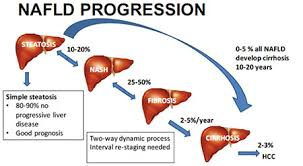
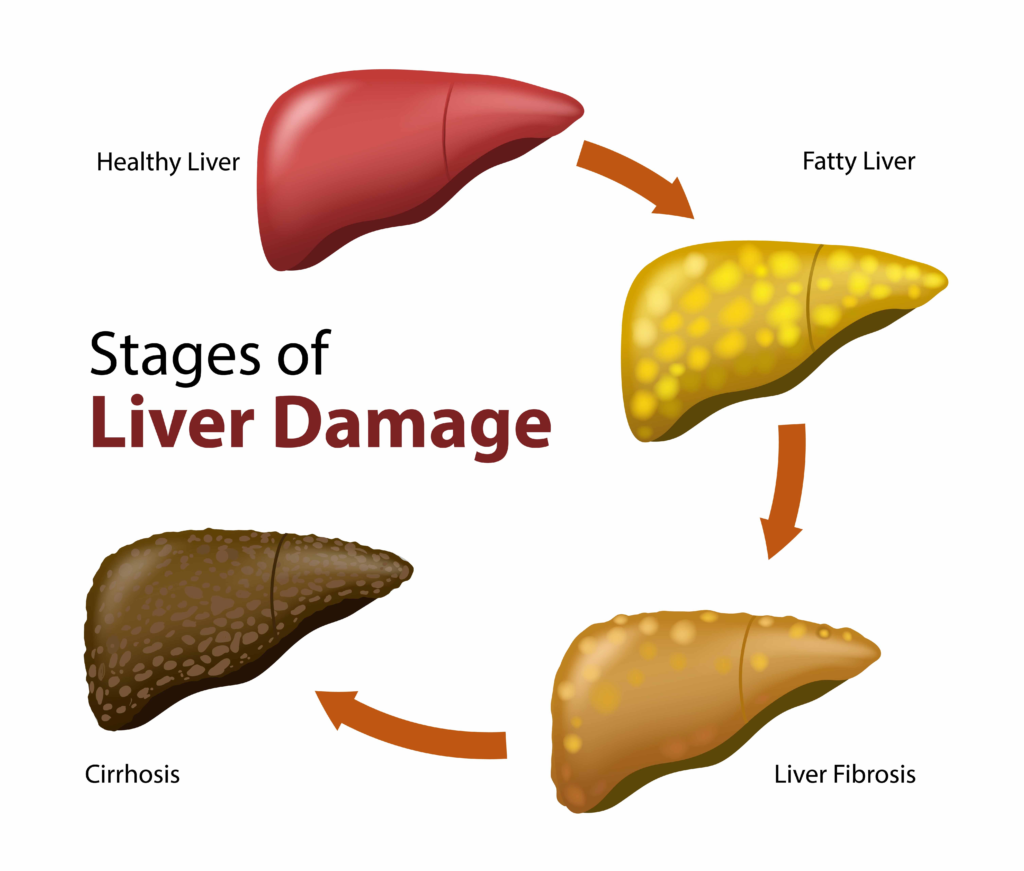
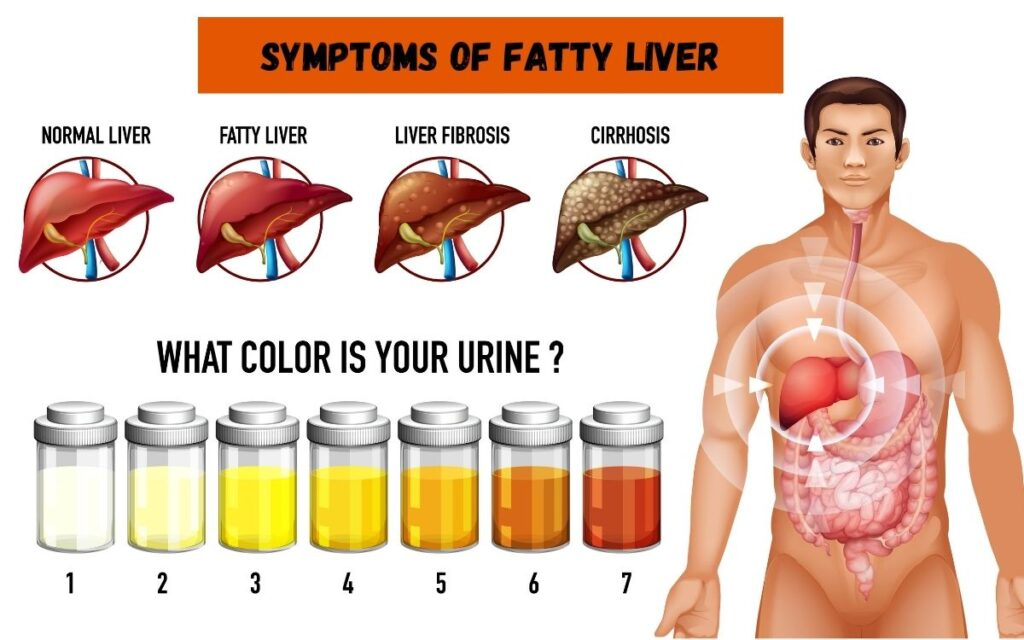
Early-stage fatty liver disease is often reversible. Without intervention, it can progress through several stages:
Stage 1: Simple Fatty Liver
Fat accumulates but causes minimal damage.
Stage 2: Steatohepatitis
Inflammation develops within the liver.
Stage 3: Fibrosis
Scar tissue begins replacing healthy liver tissue.
Stage 4: Cirrhosis
Extensive scarring severely impairs liver function.
Stage 5: Liver Cancer
Advanced liver disease significantly increases cancer risk. Detecting disease during Stage 1 or Stage 2 dramatically improves treatment outcomes.
Traditional Diagnostic Challenges
Conventional diagnostic approaches include:
- Blood tests
- Ultrasound imaging
- CT scans
- MRI scans
- Liver biopsy
These methods have limitations. Challenges include:
- High costs
- Limited accessibility
- Human interpretation variability
- Late-stage detection
- Invasive procedures
Liver biopsies remain the gold standard for diagnosis, but carry risks and are unsuitable for large-scale screening. This is where AI is making a significant impact.
How AI Is Improving Fatty Liver Disease Detection
Artificial Intelligence is revolutionizing healthcare by analyzing enormous amounts of clinical data quickly and accurately. AI-powered tools are now helping physicians identify fatty liver disease earlier than traditional methods.
AI-Powered Medical Imaging
One of the most promising applications involves image analysis. Machine learning algorithms can evaluate:
- Ultrasound scans
- MRI images
- CT scans
with remarkable precision.
AI systems can detect:
- Minute fat deposits
- Early fibrosis
- Structural liver changes
- Disease progression patterns
Studies published in leading medical journals demonstrate that AI-assisted imaging often matches or exceeds expert radiologist performance in specific diagnostic tasks.
Automated Ultrasound Screening
Ultrasound remains one of the most widely used liver imaging tools. AI-enhanced ultrasound systems can:
- Identify subtle abnormalities
- Standardize image interpretation
- Reduce diagnostic errors
- Increase screening efficiency
This technology is especially valuable in regions with limited access to specialist radiologists.
Predictive Risk Assessment
AI models analyze multiple health variables simultaneously, including:
- Age
- Body mass index (BMI)
- Blood sugar levels
- Cholesterol profiles
- Liver enzymes
- Medical history
These systems generate individualized risk scores that help identify patients needing further evaluation. Predictive analytics enables proactive intervention before symptoms emerge.
Electronic Health Record (EHR) Analysis
Modern healthcare systems generate vast quantities of patient data.
AI algorithms can scan electronic health records to identify:
- Hidden risk factors
- Abnormal laboratory trends
- High-risk populations
This capability helps clinicians prioritize screening efforts and improve disease surveillance.
AI-Assisted Fibrosis Detection
Fibrosis is a major predictor of long-term liver complications. AI-powered diagnostic tools can estimate fibrosis severity using:
- Imaging data
- Blood biomarkers
- Clinical characteristics
This reduces reliance on invasive liver biopsies and improves patient comfort.
AI and Precision Medicine
AI is accelerating the shift toward personalized healthcare. Rather than applying generic treatment strategies, AI enables tailored recommendations based on individual patient profiles.
Examples include:
- Personalized dietary plans
- Weight management programs
- Diabetes risk monitoring
- Medication optimization
- Lifestyle intervention tracking
This precision approach improves treatment adherence and long-term outcomes.
WHO Perspectives on Digital Health and AI
WHO recognizes artificial intelligence as a transformative healthcare technology? Recent WHO guidance highlights several priorities:
Improved Early Diagnosis
AI can support earlier disease detection across diverse populations.
Increased Healthcare Access
Digital health technologies help address shortages of medical specialists in underserved regions.
Enhanced Diagnostic Accuracy
AI-assisted systems reduce variability in clinical interpretation.
Ethical and Responsible AI Use
WHO emphasizes:
- Patient privacy protection
- Transparent algorithms
- Clinical validation
- Human oversight
AI should augment healthcare professionals rather than replace them.
Benefits of AI in Fatty Liver Disease Management
The integration of AI offers numerous advantages.
Faster Diagnosis
AI processes data within seconds, accelerating clinical decision-making.
Greater Accuracy
Machine learning systems detect subtle patterns often missed during manual review.
Cost Reduction
Earlier diagnosis lowers long-term healthcare costs associated with advanced liver disease.
Wider Screening
Large populations can be screened more efficiently.
Better Patient Outcomes
Timely intervention reduces disease progression and complications.
Preventing Fatty Liver Disease
While AI enhances detection, prevention remains the most effective strategy.
Experts recommend:
Maintain a Healthy Weight
Even modest weight loss can significantly reduce liver fat.
Follow a Balanced Diet
Focus on:
- Fruits
- Vegetables
- Whole grains
- Lean proteins
- Healthy fats
Limit:
- Sugary beverages
- Processed foods
- Excessive saturated fats
Exercise Regularly
Aim for at least:
- 150 minutes of moderate activity weekly
Physical activity improves insulin sensitivity and liver health.
Control Diabetes
Managing blood sugar reduces fatty liver progression risk.
Limit Alcohol Consumption
Excessive alcohol intake accelerates liver damage.
Routine Health Screenings
Regular medical evaluations enable early identification of metabolic risk factors.
Future Trends in AI and Liver Health
The future of liver disease diagnosis is increasingly data-driven.
Emerging innovations include:
Wearable Health Monitoring
Continuous monitoring of metabolic markers may identify disease risk earlier.
Smartphone-Based Screening
AI-powered mobile applications could expand access to liver health assessments.
Digital Twins
Virtual patient models may predict disease progression and treatment responses.
Advanced Deep Learning Systems
Next-generation algorithms will likely achieve even greater diagnostic precision.
These developments could transform liver disease management over the coming decade. Fatty liver disease is rapidly becoming one of the world’s most significant health challenges. Because the condition often develops silently, recognizing the early signs of fatty liver disease, including fatigue, abdominal discomfort, metabolic abnormalities, and elevated liver enzymes, is essential for preventing serious complications.
The rise of Artificial Intelligence in healthcare marks a breakthrough in liver disease detection. AI-powered imaging, predictive analytics, electronic health record analysis, and precision medicine tools are enabling earlier, faster, and more accurate diagnoses than traditional methods alone. Aligned with WHO’s vision for responsible digital health innovation, AI has the potential to improve access to screening, reduce healthcare disparities, and save countless lives through early intervention.
As technology continues to evolve, combining healthy lifestyle choices, regular medical screenings, and AI-enhanced diagnostics may become the most powerful strategy for combating fatty liver disease worldwide.
FAQs.
1. What is fatty liver disease?
Fatty liver disease is a condition in which excess fat accumulates in the liver cells. While a small amount of fat in the liver is normal, too much fat can lead to inflammation, scarring, and eventually serious liver damage. The most common form today is Metabolic Dysfunction-Associated Steatotic Liver Disease (MASLD), previously known as Non-Alcoholic Fatty Liver Disease (NAFLD). It is closely linked to obesity, type 2 diabetes, high cholesterol, and metabolic syndrome. Because the disease often develops silently, many people remain unaware they have it until it is discovered during routine health screenings.
2. What are the earliest signs of fatty liver disease?
The early signs of fatty liver disease are often subtle and may go unnoticed. Common symptoms include persistent fatigue, mild discomfort or fullness in the upper right side of the abdomen, unexplained weight gain, difficulty concentrating, and low energy levels. Some individuals may also have elevated liver enzymes detected through blood tests. However, many people experience no symptoms at all in the early stages, which is why regular health checkups are important for those at risk.
3. Can fatty liver disease occur without symptoms?
Yes. Fatty liver disease is often referred to as a “silent disease” because many patients have no noticeable symptoms during its early stages. The liver can continue functioning normally even while fat accumulates. As a result, the condition may remain undiagnosed for years until more serious liver damage develops. This silent progression highlights the importance of early screening, especially for individuals with obesity, diabetes, or metabolic disorders.
4. Who is most at risk of developing fatty liver disease?
Several factors increase the risk of fatty liver disease. These include obesity, insulin resistance, type 2 diabetes, high blood pressure, elevated cholesterol levels, metabolic syndrome, and a sedentary lifestyle. Individuals who consume excessive alcohol are also at risk for alcohol-related fatty liver disease. Additionally, recent studies show that younger adults and even children are increasingly affected due to rising obesity rates worldwide.
5. How is fatty liver disease traditionally diagnosed?
Doctors typically diagnose fatty liver disease using a combination of medical history, physical examinations, blood tests, and imaging studies such as ultrasound, CT scans, or MRI scans. Blood tests may reveal elevated liver enzymes, while imaging can show fat accumulation within the liver. In some cases, a liver biopsy may be performed to assess inflammation and fibrosis. Although effective, these methods can sometimes miss early-stage disease or require specialized expertise.
6. What role does Artificial Intelligence (AI) play in detecting fatty liver disease?
Artificial Intelligence is transforming the way fatty liver disease is detected and monitored. AI systems can analyze medical images, laboratory results, and patient records much faster than traditional methods. Machine learning algorithms can identify subtle patterns of liver fat accumulation and fibrosis that might not be easily visible to the human eye. This allows healthcare providers to detect liver disease earlier, improving treatment outcomes and reducing the risk of complications.
7. How does AI improve medical imaging for liver disease?
AI-powered imaging tools can analyze ultrasound, MRI, and CT scans with remarkable accuracy. These systems are trained on thousands of medical images and can recognize tiny changes in liver tissue that may indicate early disease. AI helps radiologists by highlighting suspicious areas, reducing interpretation errors, and standardizing diagnoses across healthcare facilities. This technology is especially valuable in areas where experienced liver specialists are limited.
8. Can AI detect liver fibrosis without a biopsy?
One of the most promising applications of AI is its ability to estimate liver fibrosis without invasive procedures. By analyzing imaging data, blood test results, and clinical information, AI algorithms can predict the likelihood and severity of fibrosis. This reduces the need for liver biopsies, which can be uncomfortable and carry certain risks. Non-invasive AI-based assessments are becoming increasingly important in modern liver care.
9. Is AI more accurate than human doctors in diagnosing fatty liver disease?
AI is not designed to replace doctors but to assist them. In many studies, AI systems have demonstrated diagnostic accuracy comparable to or even exceeding that of experienced radiologists for specific tasks. However, final medical decisions still require human expertise, clinical judgment, and patient evaluation. The best outcomes are achieved when AI tools work alongside healthcare professionals to enhance diagnostic precision and efficiency.
10. What are the benefits of early detection of fatty liver disease?
Early detection provides a significant opportunity to reverse or slow disease progression. When identified in its initial stages, lifestyle changes such as weight loss, improved nutrition, and regular exercise can substantially reduce liver fat and inflammation. Early diagnosis also helps prevent serious complications, including liver fibrosis, cirrhosis, liver failure, and liver cancer. AI-powered screening technologies are making these early interventions more achievable than ever before.
11. What lifestyle changes can help prevent fatty liver disease?
Preventing fatty liver disease involves adopting healthy daily habits. Maintaining a healthy weight, exercising regularly, eating a balanced diet rich in fruits and vegetables, limiting processed foods and sugary drinks, controlling blood sugar levels, and avoiding excessive alcohol consumption are all important strategies. Even a modest weight loss of 5% to 10% of body weight can significantly improve liver health and reduce fat accumulation.
12. What does the World Health Organization (WHO) say about AI in healthcare?
The WHO recognizes Artificial Intelligence as a powerful tool for improving healthcare delivery and disease detection. WHO emphasizes that AI can enhance diagnostic accuracy, increase healthcare access, and support early intervention strategies? However, the organization also stresses the importance of ethical implementation, patient privacy, transparency, and human oversight. AI should be used responsibly to complement healthcare professionals rather than replace them.
13. Can fatty liver disease be reversed?
Yes, fatty liver disease can often be reversed, particularly in its early stages. Reducing body weight, improving diet quality, increasing physical activity, managing diabetes, and lowering cholesterol levels can significantly decrease liver fat. If the disease progresses to advanced fibrosis or cirrhosis, reversal becomes more difficult, making early diagnosis and intervention essential. AI-based screening tools can help identify patients before irreversible damage occurs.
14. What are the future applications of AI in liver disease management?
The future of AI in liver healthcare is highly promising. Researchers are developing advanced algorithms capable of predicting disease progression, identifying high-risk individuals, and recommending personalized treatment plans. Emerging technologies may include wearable health monitors, smartphone-based liver assessments, remote patient monitoring systems, and digital twin models that simulate disease outcomes. These innovations could make liver care more accessible, efficient, and preventive.
15. Why is fatty liver disease becoming a global health concern?
Fatty liver disease is becoming increasingly common due to rising rates of obesity, diabetes, poor dietary habits, and physical inactivity. Global health experts estimate that nearly one-third of adults may be affected by some form of fatty liver disease. The condition is a major contributor to chronic liver disease, liver cancer, and healthcare costs worldwide. Because many cases remain undiagnosed until advanced stages, improving awareness, early screening, and AI-assisted detection has become a critical public health priority.
Fatty liver disease is one of the fastest-growing health challenges of the modern era. Its silent progression makes early detection essential, especially for people with obesity, diabetes, or metabolic syndrome. Artificial Intelligence is revolutionizing liver healthcare by enabling faster diagnoses, more accurate imaging analysis, non-invasive fibrosis assessment, and personalized treatment strategies. Combined with healthy lifestyle choices and regular medical screenings, AI has the potential to dramatically improve outcomes and reduce the global burden of liver disease in the years ahead.
fatimali3rocket@gmail.comhttps://healthandtechnologies.comhttps://healthandtechnologies.com