
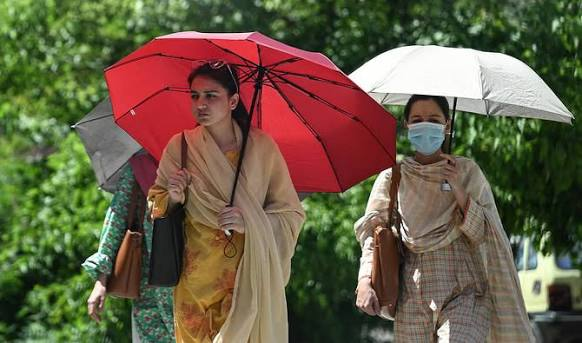
Heat Wave:
As global temperatures continue to rise, heat waves have become one of the most dangerous and frequent weather events worldwide. Heat Wave: Causes, Effects, Symptoms, Prevention, and the Latest Technology from record-breaking temperatures in Asia, Europe, North America, and Africa to increasing heat-related illnesses and wildfires, extreme heat is no longer a rare occurrence; it is becoming a global public health challenge.
According to the World Meteorological Organization (WMO) and the World Health Organization (WHO), heat waves now cause more weather-related deaths than floods, hurricanes, and tornadoes combined in many regions. Understanding why heat waves occur, their health effects, symptoms, prevention strategies, and the latest technological innovations can help individuals, communities, and governments reduce risks and save lives.
What Is a Heat Wave?
A heat wave is a prolonged period of unusually high temperatures, often accompanied by high humidity, lasting several days or even weeks. The exact definition varies by country because what is considered extreme heat depends on the local climate. Generally, a heat wave occurs when temperatures remain significantly above the seasonal average for at least three consecutive days. Heat waves can affect:
- Human health
- Agriculture
- Wildlife
- Water resources
- Energy systems
- Transportation
- Economic productivity
Why Do Heat Waves Occur?
Heat waves occur due to a combination of natural weather patterns and human-induced climate change.
1. High-Pressure Systems
The most common cause is a strong high-pressure system, often called a heat dome. During a heat dome:
- Hot air becomes trapped.
- Clouds cannot form.
- Rainfall decreases.
- Sunlight continuously heats the ground.
- Warm air remains locked near the surface.
This creates extremely hot conditions for days or weeks.
2. Climate Change
The biggest long-term driver is global warming. Human activities such as:
- Burning fossil fuels
- Deforestation
- Industrial emissions
- Transportation pollution
release greenhouse gases, including:
- Carbon dioxide (CO₂)
- Methane (CH₄)
- Nitrous oxide (N₂O)
These gases trap heat in Earth’s atmosphere, increasing average global temperatures and making heat waves:
- More frequent
- Longer lasting
- More intense
According to the Intergovernmental Panel on Climate Change (IPCC), heat extremes that once occurred every 50 years are becoming much more common in many regions.
3. Urban Heat Island Effect
Cities become significantly hotter than surrounding rural areas because of:
- Concrete buildings
- Asphalt roads
- Limited vegetation
- Air conditioning exhaust
- Heavy traffic
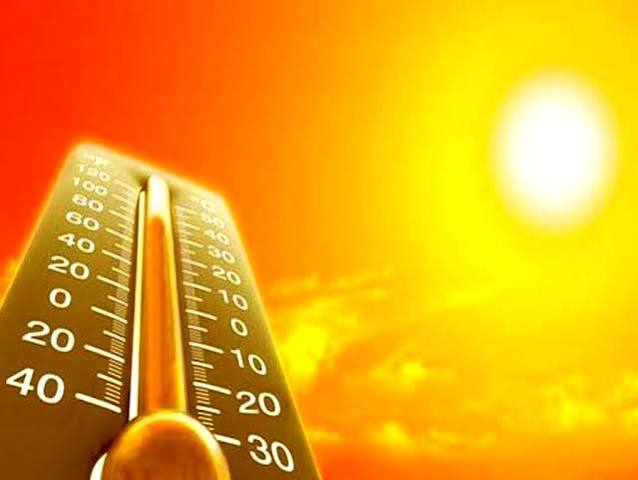
These surfaces absorb sunlight during the day and release heat slowly at night. This phenomenon is known as the Urban Heat Island (UHI) Effect.
4. Dry Soil
When soil becomes dry:
- Less water evaporates.
- More solar energy heats the land.
- Surface temperatures increase.
This creates a feedback loop that intensifies heat waves.
Effects of Heat Waves
Heat waves affect nearly every aspect of life.
1. Human Health
Extreme heat can cause:
- Heat exhaustion
- Heat cramps
- Heat stroke
- Dehydration
- Kidney injury
- Heart problems
- Respiratory issues
The elderly, infants, outdoor workers, and people with chronic illnesses are particularly vulnerable.
2. Agriculture
High temperatures reduce crop yields by:
- Damaging plant tissues
- Increasing water demand
- Drying soil
- Reducing pollination
Commonly affected crops include:
- Wheat
- Rice
- Corn
- Soybeans
- Vegetables
Livestock also suffer from heat stress, leading to lower milk production, slower growth, and increased mortality.
3. Water Shortages
Heat waves increase evaporation from:
- Rivers
- Lakes
- Reservoirs
This reduces water availability for:
- Drinking
- Farming
- Industry
Many regions experience severe drought during prolonged heat waves.
4. Wildfires
Dry vegetation becomes highly flammable. Combined with strong winds, heat waves dramatically increase wildfire risk, threatening lives, forests, homes, and biodiversity.
5. Energy Demand
Extreme heat leads to increased use of:
- Air conditioners
- Fans
- Cooling systems
Electricity demand often reaches record highs, increasing the risk of blackouts and power outages.
6. Environmental Damage
Heat waves contribute to:
- Forest degradation
- Fish kills
- Coral bleaching
- Reduced biodiversity
- Ecosystem imbalance
Many species struggle to adapt to rapidly rising temperatures.
Symptoms of Heat-Related Illness
Recognizing symptoms early can prevent life-threatening complications.
Heat Cramps
Symptoms include:
- Muscle pain
- Heavy sweating
- Fatigue
- Thirst
Heat Exhaustion
Common symptoms include:
- Heavy sweating
- Weakness
- Headache
- Dizziness
- Nausea
- Vomiting
- Rapid heartbeat
- Cool, clammy skin
Immediate cooling and hydration are essential.
Heat Stroke (Medical Emergency)
Heat stroke is the most dangerous heat-related illness. Symptoms include:
- Body temperature above 40°C (104°F)
- Confusion
- Slurred speech
- Loss of consciousness
- Hot, dry skin (though sweating may still occur in some cases)
- Seizures
- Rapid pulse
Call emergency medical services immediately if heat stroke is suspected. Begin cooling the person while waiting for help.
Who Is Most at Risk?
High-risk groups include:
- Older adults
- Babies and young children
- Pregnant women
- Outdoor workers
- Athletes
- People with heart disease
- Individuals with diabetes
- People taking medications that affect hydration or temperature regulation
How to Protect Yourself During a Heat Wave
Stay Hydrated
Drink water regularly, even if you are not thirsty.
Avoid:
- Alcohol
- Excess caffeine
- Sugary drinks
Stay Indoors
Remain in:
- Air-conditioned buildings
- Cooling centers
- Shaded areas
Limit outdoor activities during peak heat hours (typically late morning through late afternoon).
Wear Appropriate Clothing
Choose:
- Light-colored clothing
- Loose-fitting garments
- Breathable fabrics
Wear:
- Hats
- Sunglasses
- Sunscreen
Keep Your Home Cool
Use:
- Fans (not sufficient alone during extreme heat if indoor temperatures are very high)
- Curtains
- Blinds
- Ventilation when outdoor temperatures are cooler
Check on Vulnerable People
Regularly check:
- Elderly relatives
- Neighbors
- Children
- People living alone
Long-Term Solutions to Heat Waves
Although individual precautions help, broader strategies are needed.
Plant More Trees
Urban trees provide shade and reduce temperatures through evapotranspiration. Green spaces also improve air quality.
Cool Roofs and Cool Pavements
New reflective materials reduce heat absorption. These technologies lower building temperatures and reduce energy consumption.
Reduce Greenhouse Gas Emissions
Countries are investing in:
- Renewable energy
- Electric vehicles
- Cleaner industries
- Sustainable transportation
Reducing emissions helps limit future warming.
Improve Urban Planning
Cities are developing:
- Green roofs
- Urban forests
- Water features
- Better ventilation corridors
- Heat-resilient infrastructure
Public Heat Action Plans
Many governments now issue:
- Early heat warnings
- Cooling center information
- Public health advisories
- Emergency response plans
These systems have been shown to reduce heat-related illness and deaths.
Latest Technology Fighting Heat Waves
Technology is playing an increasingly important role in reducing heat risks.
Artificial Intelligence (AI)
AI is being used to:
- Predict heat waves
- Forecast health risks
- Optimize emergency response
- Improve weather modeling
Machine learning helps meteorologists identify dangerous heat events earlier.
Satellite Monitoring
Satellites from organizations such as NASA, ESA, and NOAA monitor:
- Land temperatures
- Soil moisture
- Vegetation stress
- Urban heat islands
This information supports early warning systems.
Smart Heat Warning Systems
Many countries use smartphone alerts to warn residents about dangerous heat conditions. These alerts include:
- Safety advice
- Cooling center locations
- Hydration reminders
Heat-Resistant Building Materials
Researchers are developing advanced materials that:
- Reflect sunlight
- Emit heat more effectively
- Lower indoor temperatures
- Reduce energy costs
Examples include cool coatings and high-albedo roofing materials.
Smart Wearable Devices
Modern wearable technology can monitor:
- Body temperature
- Heart rate
- Hydration levels
- Heat stress
These devices are especially useful for:
- Construction workers
- Firefighters
- Athletes
- Military personnel
AI-Powered Climate Modeling
Supercomputers and AI now simulate climate conditions with greater accuracy. This helps governments prepare for:
- Heat waves
- Drought
- Water shortages
- Wildfire risk
Internet of Things (IoT) Sensors
Smart cities install IoT sensors that monitor:
- Air temperature
- Humidity
- Air quality
- Surface temperatures
Real-time data helps officials respond quickly to dangerous conditions.
Passive Cooling Technologies
Researchers are advancing passive cooling solutions that require little or no electricity, including:
- Radiative cooling materials that release heat into the atmosphere.
- Phase-change materials that absorb and release heat.
- Improved building insulation and ventilation designs.
These technologies can reduce dependence on air conditioning.
Climate Change and the Future of Heat Waves
Scientific evidence indicates that, without significant reductions in greenhouse gas emissions, many regions are expected to experience:
- More frequent extreme heat events
- Longer-lasting heat waves
- Higher nighttime temperatures
- Greater risks to health, agriculture, and infrastructure
Adaptation measures such as resilient infrastructure, improved public health planning, and expanded green spaces will become increasingly important alongside efforts to reduce emissions. Heat waves are among the most significant environmental and public health challenges of the 21st century. Driven by atmospheric conditions and amplified by climate change, they affect human health, agriculture, ecosystems, water supplies, and economies worldwide.
Fortunately, advances in artificial intelligence, satellite observation, smart infrastructure, wearable technology, and climate science are improving our ability to predict, prepare for, and respond to extreme heat. Combined with practical personal precautions and long-term climate adaptation and mitigation efforts, these innovations can help communities become more resilient.
As extreme heat becomes more common, staying informed, recognizing symptoms of heat-related illness, and supporting sustainable solutions are essential steps toward protecting both people and the planet.
Frequently Asked Questions (FAQ)
What causes a heat wave?
Heat waves are primarily caused by persistent high-pressure systems that trap hot air. Climate change increases the likelihood and intensity of these events.
What are the symptoms of heat stroke?
Symptoms include a body temperature above 40°C (104°F), confusion, loss of consciousness, seizures, rapid pulse, and hot skin. Heat stroke is a medical emergency.
Who is most vulnerable during a heat wave?
Older adults, infants, pregnant women, outdoor workers, athletes, and people with chronic medical conditions are at greater risk.
How can I stay safe during extreme heat?
Stay hydrated, avoid strenuous outdoor activity during the hottest part of the day, wear lightweight clothing, seek air-conditioned or cool environments, and check on vulnerable individuals.
How does technology help combat heat waves?
AI forecasting, satellite monitoring, wearable health devices, IoT sensors, smart heat alerts, cool building materials, and passive cooling technologies all help reduce heat-related risks.
1. What is a heat wave?
A heat wave is a prolonged period of unusually high temperatures that remains significantly above the normal average for a particular region. In most countries, a heat wave lasts for at least three consecutive days, although the exact definition varies depending on local climate conditions. Heat waves are often accompanied by high humidity, making the weather feel even hotter and increasing the risk of heat-related illnesses. They can occur during the summer months but are becoming more frequent and intense due to climate change. Heat waves impact public health, agriculture, water supplies, transportation, energy systems, and ecosystems, making them one of the most dangerous natural weather events worldwide.
2. What causes heat waves?
Heat waves are primarily caused by persistent high-pressure weather systems, often called heat domes, that trap hot air close to the Earth’s surface. This prevents clouds from forming and blocks cooler air from entering the region, allowing temperatures to continue rising. Climate change has intensified these events by increasing average global temperatures through greenhouse gas emissions. Other contributing factors include the Urban Heat Island effect, where cities absorb and retain more heat than rural areas, dry soil conditions that reduce evaporative cooling, and changing atmospheric circulation patterns. Together, these factors make heat waves more frequent, longer-lasting, and more severe.
3. How does climate change increase heat waves?
Climate change is one of the most significant factors contributing to the growing frequency and intensity of heat waves. Human activities such as burning fossil fuels, deforestation, and industrial emissions release greenhouse gases like carbon dioxide and methane, which trap heat in the atmosphere. As global temperatures rise, the likelihood of extreme heat events increases dramatically. Scientific studies from the IPCC indicate that many regions now experience heat waves that are hotter, longer, and more frequent than in previous decades. Climate change also raises nighttime temperatures, reducing opportunities for the human body and infrastructure to cool down, increasing health risks.
4. What are the health effects of a heat wave?
Heat waves can have serious health consequences, especially for vulnerable populations. Prolonged exposure to extreme heat can cause dehydration, heat cramps, heat exhaustion, and life-threatening heat stroke. It also increases the risk of cardiovascular disease, kidney damage, respiratory problems, and mental fatigue. High temperatures can worsen existing medical conditions such as asthma, diabetes, and heart disease. Older adults, infants, pregnant women, outdoor workers, and individuals with chronic illnesses face the highest risk. Heat waves can also affect sleep quality, productivity, and overall well-being, making public awareness and preventive measures essential.
5. What are the symptoms of heat exhaustion and heat stroke?
Heat exhaustion typically develops after prolonged exposure to high temperatures and excessive sweating. Common symptoms include heavy sweating, dizziness, weakness, headache, nausea, muscle cramps, rapid heartbeat, and cool, moist skin. If untreated, it may progress to heat stroke. Heat stroke is a medical emergency characterized by a body temperature above 40°C (104°F), confusion, difficulty speaking, loss of consciousness, seizures, rapid pulse, and hot skin. Immediate medical attention is critical. While waiting for emergency services, move the person to a cooler place, remove excess clothing, and cool them with water, ice packs, or cool compresses.
6. Who is most vulnerable during a heat wave?
Certain groups are at greater risk because their bodies have more difficulty regulating temperature or because they are exposed to heat for long periods. Older adults often have reduced sweating ability and may have underlying health conditions. Infants and young children are less able to regulate body temperature. Outdoor workers, athletes, and construction workers are exposed to direct sunlight and physical exertion. Pregnant women, people with obesity, and those with chronic illnesses such as heart disease, diabetes, or kidney disorders also face increased risks. Individuals without access to cooling or adequate hydration are particularly vulnerable.
7. How can you protect yourself during a heat wave?
Protecting yourself during a heat wave begins with staying hydrated by drinking water regularly, even if you do not feel thirsty. Avoid alcohol, sugary beverages, and excessive caffeine, as they can contribute to dehydration. Stay indoors during the hottest part of the day, preferably in air-conditioned spaces or designated cooling centers. Wear lightweight, loose-fitting, light-colored clothing, and use sunscreen, hats, and sunglasses when outdoors. Reduce strenuous physical activities during peak heat hours. Keep your home cool by closing curtains during the day and using fans or ventilation when temperatures are lower.
8. How do heat waves affect agriculture and food production?
Heat waves significantly impact agriculture by reducing crop yields and increasing water demand. High temperatures stress crops such as wheat, rice, corn, and soybeans, affecting flowering, pollination, and grain development. Dry soil conditions further limit plant growth and increase irrigation needs. Livestock also experience heat stress, leading to lower milk production, reduced fertility, slower growth, and increased mortality. Heat waves can damage food supply chains, increase production costs, and contribute to higher food prices. Farmers increasingly rely on drought-resistant crops, efficient irrigation systems, and climate-smart agricultural practices to reduce these impacts.
9. What is the Urban Heat Island effect?
The Urban Heat Island (UHI) effect refers to the phenomenon where cities become significantly warmer than surrounding rural areas. Buildings, roads, and parking lots made from concrete and asphalt absorb large amounts of solar energy during the day and slowly release heat at night. Limited vegetation, reduced airflow, vehicle emissions, and air conditioning exhaust further increase urban temperatures. As a result, city residents experience higher daytime and nighttime temperatures, increasing the risk of heat-related illnesses. Planting trees, installing green roofs, and using reflective building materials are effective strategies for reducing the Urban Heat Island effect.
10. How do heat waves affect the environment?
Heat waves place enormous stress on ecosystems. High temperatures increase evaporation, leading to droughts and water shortages that affect rivers, lakes, wetlands, and groundwater supplies. Forests become drier, increasing the risk of wildfires that destroy habitats and release additional carbon dioxide into the atmosphere. Marine ecosystems also suffer, with rising ocean temperatures causing coral bleaching and threatening fish populations. Wildlife experiences food shortages, habitat loss, and heat stress, which can reduce biodiversity. Heat waves also contribute to poor air quality by increasing ground-level ozone and wildfire smoke, affecting both humans and ecosystems.
11. What is the latest technology used to predict heat waves?
Modern technology has significantly improved heat wave forecasting. Meteorological agencies now use artificial intelligence (AI), machine learning, satellite observations, and advanced climate models to predict extreme heat events several days or even weeks in advance. Satellites monitor land surface temperatures, vegetation health, soil moisture, and atmospheric conditions in real time. AI systems analyze massive datasets to improve forecast accuracy and identify regions at highest risk. Governments also use smartphone-based early warning systems to alert citizens about dangerous heat conditions, allowing communities to prepare before temperatures become extreme.
12. What are smart cooling technologies?
Smart cooling technologies are innovative solutions designed to reduce indoor and outdoor temperatures while using less energy. These include reflective “cool roofs,” heat-resistant building materials, energy-efficient air conditioning systems, smart thermostats, green roofs, and passive cooling designs that improve ventilation. Researchers are also developing radiative cooling materials that naturally release heat into the atmosphere without consuming electricity. Smart city technologies use sensors to monitor temperatures across urban areas and optimize cooling strategies. These innovations help reduce electricity consumption, improve comfort, and lower greenhouse gas emissions during heat waves.
13. Can heat waves be prevented?
Individual heat waves cannot be prevented because they are natural weather events, but their increasing intensity and frequency can be reduced by addressing climate change. Reducing greenhouse gas emissions through renewable energy, energy efficiency, sustainable transportation, and forest conservation helps limit long-term global warming. Communities can also adapt by expanding green spaces, planting trees, improving urban planning, constructing heat-resilient buildings, and implementing heat action plans. Early warning systems, public education campaigns, and better healthcare preparedness reduce the number of heat-related illnesses and deaths during extreme heat events.
14. How do governments respond to heat waves?
Governments use comprehensive Heat Action Plans to protect public health during extreme heat events. These plans often include early warning systems, emergency weather alerts, public awareness campaigns, opening cooling centers, distributing drinking water, and extending healthcare services. Many cities coordinate with hospitals, emergency responders, schools, and community organizations to monitor vulnerable populations. Some governments enforce workplace safety regulations that limit outdoor work during extreme heat. Investments in green infrastructure, urban forestry, and climate-resilient construction also help reduce long-term heat risks while improving the quality of life for residents.
15. What is the future of heat waves?
Scientific research indicates that heat waves are expected to become more frequent, longer-lasting, and more intense in many parts of the world if greenhouse gas emissions remain high. However, advances in climate science, artificial intelligence, satellite monitoring, wearable health devices, passive cooling materials, and smart city technologies are improving our ability to predict and respond to extreme heat. Global efforts to reduce emissions, strengthen climate adaptation, and build resilient infrastructure can help limit future risks. Continued investment in innovation, public health, and sustainable development will be essential for protecting people and ecosystems from the growing threat of heat waves.
Fatimaali3rocket@gmail.comhttps://healthandtechnologies.com