How to Manage Mental Health in War Conditions 2026.
This comprehensive guide explores how to manage mental health during war condition 2026 and crisis conditions using practical, research-based strategies. It covers essential techniques such as stress control, emotional resilience, grounding methods, and maintaining daily routines in unstable environments. Learn how to cope with anxiety, trauma, and uncertainty while staying mentally strong and focused. The guide also highlights the importance of social support, limiting exposure to negative news, and helping children navigate emotional challenges.
Ideal for individuals, families, and educators, this resource provides actionable steps to protect psychological well-being and build inner strength during difficult and life-threatening situations. A Practical, Research-Based Guide for Emotional Survival and Resilience. Learn effective, research-backed strategies to protect and manage mental health during war, conflict, and crises. A practical guide for emotional resilience, stress control, and psychological survival. War and crises deeply affect mental health. Fear, uncertainty, and loss can
lead to anxiety, depression, and trauma. Managing mental health is essential for
survival and stability.
Understanding Mental Health in Crisis(How to Manage Mental Health in War Conditions 2026)
Continuous stress keeps the brain in fight-or-flight mode, increasing emotional
instability and exhaustion. Awareness helps manage reactions effectively.
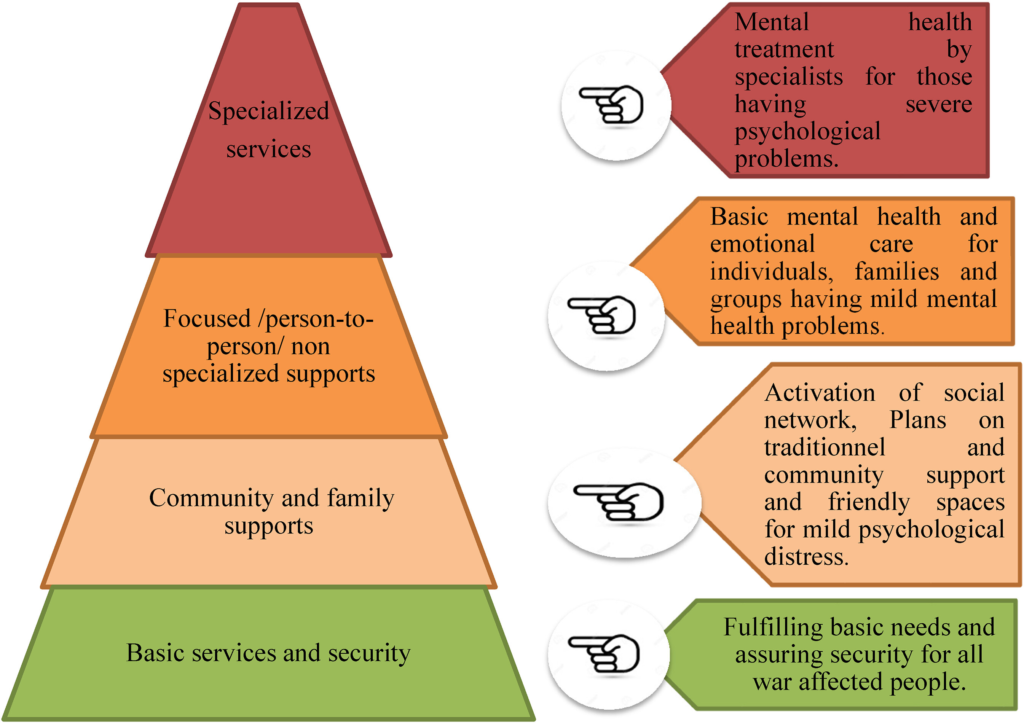
How to Manage Mental Health in War Conditions 2026, War and crises not only destroy buildings, economies, and systems, but they also deeply affect the human mind. Fear, loss, and constant danger create a heavy psychological burden that can be as damaging as physical harm.
In such conditions, managing mental health is not a luxury it is a necessity for survival.
People living through war often experience:
- Anxiety and panic
- Depression and hopelessness
- Trauma (PTSD)
- Sleep disorders
- Emotional numbness
This guide provides realistic, research-informed, and practical strategies to help individuals maintain mental strength during extreme situations.

- Create a Sense of Safety(How to Manage Mental Health in War Conditions 2026)
Identify safe spaces, stay with trusted people, and prepare essentials. Small control
improves mental stability. - Focus on What You Can Control
Divide problems into controllable and uncontrollable. Focus energy on manageable
actions to reduce stress. - Use Breathing Techniques
Practice 4-4-4 breathing to calm the nervous system and reduce anxiety. - Stay Connected
Talk to family and friends. Emotional support strengthens resilience. - Maintain Routine
Simple routines bring structure and reduce uncertainty. - Limit News Exposure
Avoid excessive negative news to protect mental health. - Express Emotions
Use journaling, talking, or creative outlets to process feelings. Writing in a journal Talking to someone Drawing or creative activities Expression helps process trauma and prevent emotional buildup. - Ground Yourself
Use the 5-4-3-2-1 method to manage panic and stay present. - 🧠 8. Practice Grounding Techniques
- When fear becomes overwhelming, grounding helps bring attention back to the present. 5-4-3-2-1 Method: 5 things you can see, 4 things you can touch 3 things you can hear, 2 things you can smell 1 thing you can taste
- 👉 This technique reduces panic and anchors the mind.
- Focus on Small Wins
Small achievements build hope and confidence. - Seek Help
Professional support is important when distress becomes overwhelming.
Helping Children
Provide reassurance, routine, and emotional support to children during a crisis.
At the end
Mental strength grows through small actions, connection, and awareness, even in the
hardest times.
FAQs - How can I stay calm during war? Focus on breathing, routine, and staying
connected. - Is anxiety normal in a crisis? Yes, it is a natural response to danger.
- How do I help my children cope? Maintain routine and offer reassurance.
- Can mental health worsen over time? Yes, without support, stress can increase.
- Should I avoid news completely? Limit it, but stay informed from reliable sources.
- What are the signs I need help? Panic, sleeplessness, hopelessness, or harmful
thoughts. - How can I reduce panic quickly? Use breathing and grounding techniques.
- Is it okay to feel fear? Yes, acknowledging emotions is healthy.
- Can routines really help? Yes, they provide structure and stability.
- Where can I get help? Seek local professionals, NGOs, or helplines.
fatimaali3rocket@gmail.comhttps://healthandtechnologies.com/wp-admin/https://healthandtechnologies.com/wp-admin/