
The Best Book Printing Process Explained Step-by-Step3126:
The Best Book Printing Process Explained Step-by-Step3126:Books have the power to educate, inspire, entertain, and transform lives. Whether it’s a bestselling novel, a business guide, a children’s storybook, or an academic publication, every printed book goes through a fascinating production journey before reaching readers’ hands. Understanding the book printing process is essential for authors, publishers, self-publishers, and anyone interested in the publishing industry.
In today’s competitive publishing landscape, modern printing technologies have made book production faster, more affordable, and more accessible than ever before. This comprehensive guide explains the book printing process step-by-step, covering everything from manuscript preparation to final distribution.
Why Understanding the Book Printing Process Matters?
Before diving into the technical details, it’s important to understand why knowing the printing process is valuable.
When authors understand how books are produced, they can:
- Reduce costly mistakes
- Improve book quality
- Save production time
- Choose the right printing method
- Increase reader satisfaction
- Maximize publishing profits
Whether you’re publishing your first book or managing a large publishing company, understanding these steps helps ensure a professional final product.
Step 1: Manuscript Completion and Editing
Every successful book begins with a completed manuscript.
Before printing can even be considered, the content must be polished and publication-ready. This stage is often the most time-consuming but also the most important.
Types of Editing

Developmental Editing
This focuses on:
- Structure
- Flow
- Organization
- Plot development
- Character consistency
Copy Editing
Copy editors review:
- Grammar
- Punctuation
- Sentence structure
- Clarity
- Consistency
Proofreading
The final review identifies:
- Typographical errors
- Formatting mistakes
- Minor corrections
Skipping professional editing can seriously affect the book’s credibility and reader reviews.
Step 2: Book Formatting and Typesetting
Once the manuscript is finalized, it enters the typesetting stage. Typesetting transforms a simple document into a professionally designed book interior.
What Happens During Typesetting?
Professional designers adjust:
- Font selection
- Margins
- Line spacing
- Paragraph styles
- Chapter headings
- Page numbering
The goal is to create a smooth and enjoyable reading experience.
Popular Typesetting Software
Many publishing professionals use:
- Adobe InDesign
- QuarkXPress
- Affinity Publisher
- Scribes
Well-designed interiors improve readability and make books appear more professional.
Step 3: Cover Design Creation

The saying “Don’t judge a book by its cover” may sound wise, but readers do exactly that. A compelling cover can dramatically increase sales and attract attention both online and in physical bookstores.
Elements of an Effective Book Cover
A successful cover typically includes:
Eye-Catching Typography
Fonts should match the genre and target audience.
High-Quality Imagery
Professional visuals create a strong first impression.
Strategic Color Choices
Colors trigger emotional responses and influence buying decisions.
Strong Title Placement
The title must remain readable even in small online thumbnail previews. A professionally designed cover often becomes one of the most valuable investments for authors.
Step 4: ISBN Registration and Copyright Setup
Before printing begins, publishers often secure essential legal and identification elements.
ISBN Assignment
ISBN stands for: International Standard Book Number This unique identifier allows:
- Retail tracking
- Inventory management
- Distribution through bookstores
- Library cataloging
Copyright Protection
Copyright establishes ownership of the content and protects against unauthorized reproduction. Many publishers also register copyrights with official government agencies for added protection.
Step 5: Prepress Preparation
The prepress stage serves as the bridge between design and actual printing. This phase ensures that every file meets technical printing standards.
Key Prepress Activities
File Inspection
Technicians verify:
- Image resolution
- Font embedding
- Bleed settings
- Color accuracy
PDF Creation
Most printers require high-resolution PDF files prepared according to specific printing standards.
Proof Generation
A proof copy allows authors and publishers to review the book before mass production. Prepress quality control significantly reduces costly printing errors.
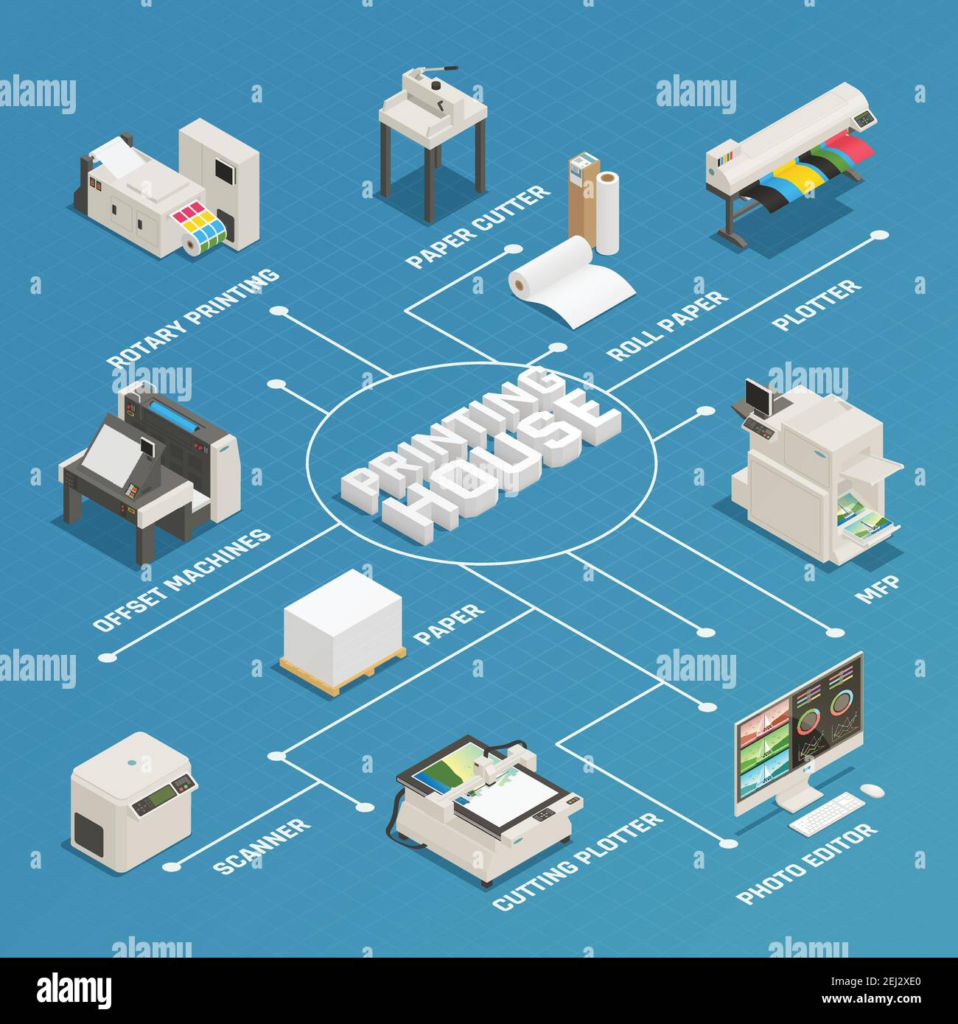
Step 6: Choosing the Right Printing Method
One of the most important decisions involves selecting the appropriate printing technology. Today, two major methods dominate the industry.
Offset Printing
Offset printing remains the gold standard for large-volume book production.
How Offset Printing Works
Ink transfers from metal plates onto rubber blankets and then onto paper.
Advantages
- Exceptional print quality
- Consistent color reproduction
- Lower cost per book at high volumes
- Ideal for thousands of copies
Best For
- Traditional publishers
- Bestselling books
- Educational textbooks
- Mass-market publications
Digital Printing
Digital printing has revolutionized modern publishing. Instead of printing plates, digital files are sent directly to advanced printing equipment.
Advantages
- Fast turnaround
- Lower setup costs
- Small print runs
- Print-on-demand compatibility
Best For
- Self-publishers
- Independent authors
- Limited editions
- Test-market releases
Digital printing continues to grow rapidly because of its flexibility and affordability.
Step 7: Paper Selection
Paper choice dramatically affects the look, feel, durability, and perceived value of a book. Professional publishers carefully evaluate paper characteristics before production.
Common Paper Types

Uncoated Paper
Ideal for:
- Novels
- Textbooks
- Journals
Benefits include easy readability and reduced glare.
Coated Paper
Perfect for:
- Photography books
- Art books
- Magazines
- Cookbooks
Provides sharper image reproduction.
Matte Paper
Offers:
- Elegant appearance
- Soft texture
- Reduced reflections
Glossy Paper
Delivers:
- Vibrant colors
- Enhanced image quality
- Premium visual impact
Paper selection directly influences printing costs and customer satisfaction.
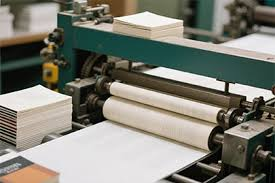
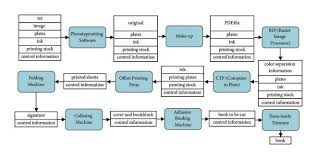
Step 8: The Actual Printing Process
After all preparations are complete, production begins. Large printing machines operate with remarkable speed and precision.
What Happens During Printing?
Ink Application
Ink is applied according to the digital or offset printing specifications.
Quality Monitoring

Operators continuously monitor:
- Color consistency
- Registration accuracy
- Image sharpness
- Ink coverage
Modern printing facilities use advanced automation systems to maintain exceptional quality standards.
Step 9: Folding and Gathering Pages
Books are typically printed on large sheets rather than individual pages. After printing, these sheets undergo folding and gathering.
Folding Process
Large sheets are folded into specific page arrangements known as signatures.
Gathering Process
Signatures are organized into the correct reading sequence. This step ensures every page appears in proper order before binding. Precision is crucial because even small errors can result in missing or misplaced pages.
Step 10: Binding the Book
Binding transforms loose printed pages into a complete book. Several binding options are available depending on budget, durability requirements, and market positioning.
Perfect Binding
Perfect binding is one of the most common methods.
Characteristics
- Paperback format
- Strong adhesive spine
- Professional appearance
- Cost-effective production
Widely used for novels, business books, and self-published titles.
Saddle Stitch Binding
Pages are folded and stapled through the center.
Best For
- Booklets
- Catalogs
- Short publications
Case Binding (Hardcover)
Case binding creates premium hardcover books.
Benefits
- Maximum durability
- Premium appearance
- Long-term preservation
Often used for:
- Collector editions
- Academic publications
- Luxury books
Spiral Binding
Pages are secured using metal or plastic coils.
Ideal for:
- Workbooks
- Manuals
- Training materials
Allows books to lay flat when opened.
Step 11: Trimming and Finishing
After binding, books move to the finishing stage. Specialized equipment trims excess paper to achieve precise dimensions.
Finishing Enhancements
Modern publishers often add premium effects such as:
Spot UV Coating
Creates shiny highlights on selected design elements.
Foil Stamping
Adds metallic gold, silver, or colored accents.
Embossing
Produces raised textures.
Debossing
Creates recessed impressions. These enhancements elevate visual appeal and perceived value.
Step 12: Quality Control Inspection
Before shipment, books undergo rigorous quality inspection.
Inspection Checklist
Teams verify:
- Print clarity
- Cover alignment
- Binding strength
- Page order
- Color consistency
- Trim accuracy
Quality assurance protects publishers from costly returns and customer dissatisfaction.
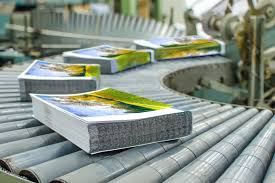
Step 13: Packaging and Distribution
Once approved, books enter the packaging phase.
Books are:
- Boxed
- Labeled
- Palletized
- Prepared for shipping
Distribution channels may include:
Bookstores
Physical retail locations remain important sales channels.
Online Retailers
Platforms such as Amazon dominate modern book sales.
Libraries
Educational and public institutions regularly purchase books.
Direct Author Sales
Many authors now sell directly through personal websites. Efficient distribution ensures books reach readers quickly and safely.
The Rise of Print-on-Demand Technology
One of the biggest innovations in publishing is Print-on-Demand (POD). Instead of printing thousands of copies upfront, books are printed only when orders are received.
Benefits of Print-on-Demand
- No inventory storage costs
- Reduced financial risk
- Global availability
- Faster market entry
- Environmentally friendly
Popular POD platforms include:
- Amazon KDP
- IngramSpark
- Lulu
- Blurb
This technology has empowered millions of independent authors worldwide.
Sustainability in Modern Book Printing
Environmental responsibility has become a major focus within the printing industry. Leading printers increasingly adopt sustainable practices.
Eco-Friendly Innovations
Recycled Paper
Reduces demand for virgin wood pulp.
Soy-Based Inks
Offer lower environmental impact compared to petroleum-based alternatives.
Energy-Efficient Equipment
Modern presses consume less energy.
Responsible Forestry Programs
Many paper suppliers participate in certified sustainable forestry initiatives. Readers increasingly value environmentally conscious publishing practices.
Future Trends Shaping Book Printing
The publishing world continues evolving rapidly. Several exciting innovations are transforming book production.
Artificial Intelligence Integration
AI assists with:
- Proofreading
- Design optimization
- Workflow automation
Smart Printing Technology
Advanced systems improve:
- Accuracy
- Speed
- Cost efficiency
Personalized Printing
Readers may soon receive customized editions with unique covers and content elements.
Enhanced Sustainability
Green printing solutions will continue expanding across the industry. Publishers embracing innovation gain significant competitive advantages. The book printing process is a remarkable combination of creativity, technology, craftsmanship, and precision. From the first edited manuscript to the final printed copy, each stage plays a critical role in delivering a professional, high-quality book that readers will enjoy and cherish.
Understanding the step-by-step book printing process helps authors make informed decisions, avoid common mistakes, and produce books that stand out in today’s crowded marketplace. Whether using traditional offset printing for large-scale production or modern print-on-demand services for flexible publishing, the key to success lies in careful planning, attention to detail, and commitment to quality.
As printing technology continues advancing in 2026 and beyond, book production is becoming faster, smarter, more sustainable, and more accessible. For aspiring authors and established publishers alike, there has never been a better time to bring stories, knowledge, and ideas to life through the enduring power of printed books. Understanding the book printing process can feel overwhelming, especially for first-time authors and self-publishers. From choosing the right printing method to understanding binding options and production timelines, there are many questions that arise before a book reaches readers.
FAQs.
1. What is the book printing process?
The book printing process is a series of steps involved in transforming a completed manuscript into a physical book. It begins with editing, formatting, and cover design, followed by prepress preparation, printing, binding, trimming, quality checks, and distribution. Modern printing technologies have streamlined the process, making it possible for authors and publishers to produce books efficiently and cost-effectively. Whether using offset printing or print-on-demand services, each stage plays a crucial role in ensuring the final product meets professional publishing standards.
2. What is the difference between offset printing and digital printing?
Offset printing uses metal plates and ink transfer systems to print large quantities of books with exceptional quality and color consistency. It is ideal for high-volume print runs because the cost per book decreases as quantities increase. Digital printing, on the other hand, prints directly from digital files without requiring plates. It is faster, more flexible, and cost-effective for small print runs or print-on-demand publishing. Self-published authors often prefer digital printing because it requires less upfront investment.
3. How long does it take to print a book?
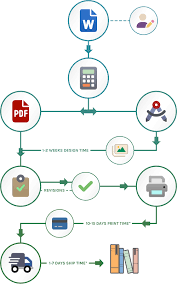
The timeline depends on the book’s complexity, printing method, and quantity. A print-on-demand book may be printed and shipped within a few days. Traditional offset printing projects can take several weeks, especially for large orders. The entire publishing process including editing, formatting, cover design, proofing, and printing typically takes anywhere from one month to several months. Planning ahead helps avoid delays and ensures a smoother production schedule.
4. What is an ISBN, and why is it important?
An ISBN (International Standard Book Number) is a unique identifier assigned to each book edition and format. It helps bookstores, libraries, distributors, and online retailers track and manage inventory. Having an ISBN increases a book’s credibility and makes it easier to distribute globally. Most professional publishers consider an ISBN essential for commercial book sales and industry recognition.
5. What types of paper are commonly used in book printing?
The most common paper types include uncoated, coated, matte, and glossy paper. Uncoated paper is frequently used for novels and textbooks because it is easy on the eyes. Coated paper is ideal for books with high-quality images, such as photography books and magazines. Matte paper provides a sophisticated appearance with minimal glare, while glossy paper enhances color vibrancy and image sharpness. The right choice depends on the book’s purpose and target audience.
6. What is print-on-demand (POD)?
Print-on-demand is a publishing model where books are printed only after an order is placed. Instead of maintaining large inventories, publishers and authors can produce copies as needed. POD reduces storage costs, minimizes waste, and lowers financial risk. Popular platforms such as Amazon KDP and IngramSpark have made print-on-demand a preferred option for independent authors seeking global reach and flexibility.
7. How much does it cost to print a book?
Book printing costs vary based on several factors, including page count, trim size, paper quality, binding type, color requirements, and quantity ordered. Printing a single copy through a POD service may cost more per unit than a bulk offset order. However, offset printing often requires a significant upfront investment. Authors should compare quotes from multiple printers and calculate both short-term and long-term costs before making a decision.
8. What is book binding, and why does it matter?
Book binding is the process of securing printed pages together into a finished book. Common binding methods include perfect binding, hardcover binding, saddle stitching, and spiral binding. Binding affects the book’s durability, appearance, and reader experience. For example, hardcover books are more durable and premium-looking, while perfect-bound paperbacks are affordable and widely used in the commercial publishing market.
9. Why is proofreading important before printing?
Proofreading is the final quality check before a book goes to print. It identifies spelling errors, grammar mistakes, formatting issues, and other inconsistencies that may have been overlooked during editing. Even a small mistake can negatively impact a reader’s perception of the book. Reviewing a printed proof copy before approving production helps ensure a polished and professional final product.
10. What is a print proof?
A print proof is a sample version of the book produced before full-scale printing begins. It allows authors and publishers to review page layouts, cover design, colors, image quality, and overall formatting. Proof copies help identify errors and make final adjustments before investing in a large print run. Skipping this step can lead to costly corrections later.
11. What file format do printers typically require?
Most professional printers prefer high-resolution PDF files prepared according to specific printing guidelines. PDFs preserve fonts, layouts, images, and formatting across different devices and software platforms. Printers may also provide templates for trim sizes, bleed areas, and cover dimensions to ensure files meet production requirements. Following these guidelines helps prevent printing errors and delays.
12. Can I print a book with color pages?
Yes, books can be printed in full color or black and white. Full-color printing is commonly used for children’s books, photography books, cookbooks, educational materials, and graphic novels. While color printing enhances visual appeal, it is generally more expensive than black-and-white printing. Authors should evaluate their audience’s expectations and budget when deciding on color options.
13. What quality checks occur during book printing?
Professional printing companies perform multiple quality-control inspections throughout the production process. These checks include verifying color accuracy, print clarity, page order, trimming precision, binding strength, and cover alignment. Quality assurance teams ensure that every copy meets industry standards before shipping. Consistent quality control helps maintain customer satisfaction and protects the publisher’s reputation.
14. Is self-publishing easier today than in the past?
Absolutely. Modern digital printing and print-on-demand technologies have transformed the self-publishing industry. Authors can now publish professional-quality books without needing large budgets or traditional publishing contracts. Platforms such as Amazon KDP, IngramSpark, and Lulu offer global distribution, making it easier than ever to reach readers worldwide. As a result, self-publishing continues to grow rapidly in 2026.
15. What are the latest trends in the book printing industry?
The book printing industry is evolving with advancements in technology and sustainability. Key trends include AI-assisted design and proofreading, automated production workflows, personalized book printing, eco-friendly paper sourcing, soy-based inks, and energy-efficient printing equipment. Print-on-demand services continue to expand, allowing authors to publish with minimal risk. These innovations are making book production faster, smarter, and more environmentally responsible than ever before.
The book printing process involves much more than simply transferring words onto paper. From manuscript preparation and cover design to printing, binding, and distribution, each step contributes to the quality and success of the final product. By understanding these frequently asked questions, authors and publishers can make informed decisions, avoid common pitfalls, and create books that stand out in today’s competitive publishing market. Whether you’re printing your first book or managing a large publishing project, knowledge of the printing process is a valuable tool for achieving publishing success.
fatimaali3rocket@gmail.comhttps://healthandtechnologies.comhttps://healthandtechnologies.com