

How Ramadan Fasting Affects the Body2026:A Complete Scientific and Health Guide. Ramadan fasting is one of the most widely practiced forms of time-restricted eating worldwide. For nearly 1.8 billion Muslims, fasting from dawn to sunset is a spiritual obligation. But beyond its religious importance, many people ask an important question:
- How does fasting during Ramadan affect the body?2026
- From metabolism and digestion to brain function and heart health, fasting triggers powerful biological changes. When practiced properly, fasting during Ramadan can support metabolic balance, fat burning, and even cellular repair.
In this comprehensive guide, we explore how fasting during Ramadan affects the body, supported by science and explained in simple terms.
- What Happens to Your Body During Ramadan Fasting?
Ramadan fasting involves abstaining from food and drink from sunrise (Suhoor) to sunset (Iftar). This makes a daily fasting window depending on geographic location. The body transitions through several metabolic phases:
- Glucose utilization phase
- Glycogen depletion phase
- Fat-burning phase
- Metabolic adaptation
1. Effect of Ramadan Fasting on Metabolism
One of the biggest physiological changes during Ramadan is metabolic switching.
First 6–8 Hours: Glucose Use
After eating Suhoor, your body uses glucose from carbohydrates as its main energy source. Blood sugar remains stable during this period.
8–12 Hours: Glycogen Depletion
Once glucose levels decrease, the body begins using glycogen stored in the liver. This is your backup energy system.
12+ Hours: Fat Burning Begins
After glycogen stores are depleted, the body shifts to burning stored fat for energy. This process is known as ketosis (mild form). This is why Ramadan fasting may support:
- Improved insulin sensitivity
- Fat metabolism
- Weight management
- Reduced visceral fat
This metabolic shift is similar to intermittent fasting protocols studied in modern nutrition science.
2. How Ramadan Fasting Affects Blood Sugar Levels
When done properly, Ramadan fasting can improve blood sugar regulation.
Because eating is limited to specific windows:
- Insulin levels decrease
- Insulin sensitivity improves
- Blood sugar spikes reduce
However, excessive sugary foods at Iftar may cause rapid blood glucose spikes. Balanced meals with protein, fiber, and complex carbohydrates help maintain stability.
3. Impact on Weight and Body Composition
Ramadan fasting affects body weight depending on eating patterns.
If meals are moderate and nutritious, fasting can:
- Reduce body fat
- Decrease calorie intake
- Improve portion control
- Reset hunger hormones
Some studies show slight weight loss during Ramadan, especially in the first two weeks. Overeating fried foods and desserts may result in weight gain instead of fat loss. The key factor is food quality and portion size.
4. Effect on Digestive System
The digestive system works continuously throughout the year. Ramadan provides structured rest.
During fasting:
- Stomach acid production decreases
- Digestive enzymes regulate
- Gut lining may repair
- Bloating may reduce
After adaptation (usually 3–5 days), many people report feeling lighter and less sluggish. Proper hydration during non-fasting hours is essential to maintain digestive balance.

5. How Ramadan Fasting Affects the Brain
Many people notice increased mental clarity during Ramadan. This happens for several reasons:
- Reduced insulin fluctuations
- Increased fat-derived energy (ketones)
- Improved dopamine regulation
- Enhanced focus from spiritual discipline
Fasting may also stimulate Brain-Derived Neurotrophic Factor (BDNF), a protein linked to improved cognitive function. While mild fatigue may occur initially, the brain often adapts within a few days.
6. Hormonal Changes During Ramadan
Fasting affects several hormones in the body:
Insulin
Levels decrease, supporting fat burning.
Growth Hormone
May increase during fasting, supporting tissue repair and metabolism.
Cortisol
Can fluctuate depending on sleep patterns.
Ghrelin (Hunger Hormone)
Adjusts to new meal timing, which may improve appetite control. These hormonal shifts explain why hunger often becomes easier to manage after the first week.
7. Effect on Heart Health
Research suggests Ramadan fasting may positively affect cardiovascular health by:
- Reducing LDL (bad cholesterol)
- Increasing HDL (good cholesterol)
- Lowering triglycerides
- Decreasing inflammation
These changes reduce strain on the heart, particularly when healthy eating habits are maintained. Hydration and limiting salty foods are important to maintain blood pressure balance.
8. Cellular Repair and Autophagy
One of the most discussed scientific benefits of fasting is autophagy.
Autophagy is the body’s natural cellular cleaning process. During fasting, cells may:
- Remove damaged components
- Regenerate healthy cells
- Reduce oxidative stress
While research continues, fasting periods similar to Ramadan have been associated with enhanced cellular repair. This contributes to long-term health and longevity.
9. Immune System Response
Short-term fasting may regulate immune function by:
- Reducing chronic inflammation
- Supporting cellular regeneration
- Improving metabolic markers
However, poor sleep, dehydration, or nutrient deficiencies may weaken immunity. Balanced nutrition during Suhoor and Iftar is critical.
10. Emotional and Psychological Effects
Ramadan fasting affects more than just the body; it influences emotional health.
Many people report:
- Increased patience
- Better emotional regulation
- Reduced stress
- Enhanced mindfulness
The spiritual structure of Ramadan prayer, reflection, and gratitude also reduces anxiety and strengthens resilience. The combination of biological and spiritual discipline creates a powerful mind-body connection.
Potential Effects of Ramadan Fasting
While fasting offers benefits, some temporary effects may occur:
- Headaches
- Fatigue during the early days
- Mild dehydration
- Sleep pattern disruption
These symptoms typically decrease as the body adapts. People with chronic conditions, pregnant women, elderly individuals, and those on medication should seek medical advice before fasting.
Tips to Support Your Body During Ramadan
To maximize health benefits:
- Eat protein and fiber at Suhoor
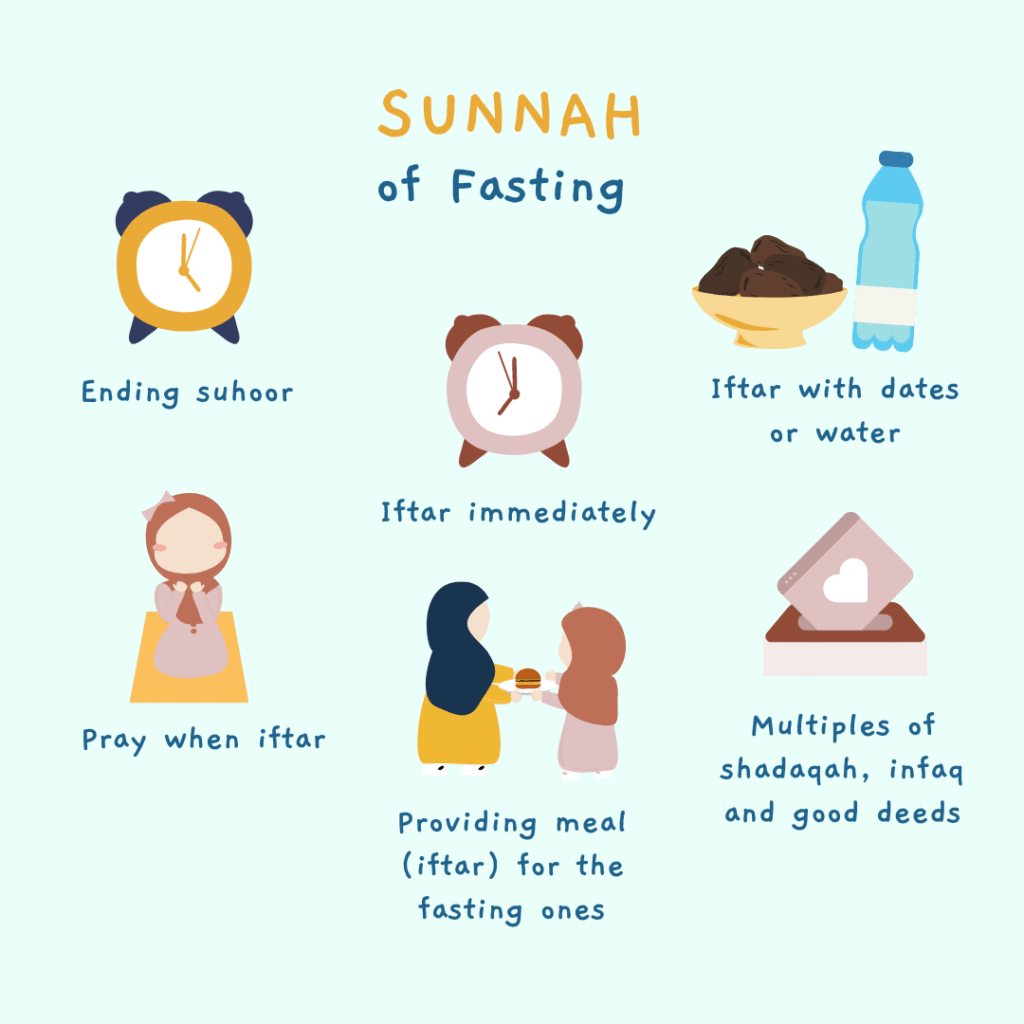
- Breakfast gently (dates + water)
- Avoid excessive fried and sugary foods
- Stay hydrated between Iftar and Suhoor
- Maintain light physical activity
- Prioritize sleep
Balanced habits determine whether fasting becomes healing or exhausting.

A Natural Metabolic Reset
So, how does fasting during Ramadan affect the body?
It triggers a metabolic shift from glucose to fat burning. It improves insulin sensitivity, supports digestive rest, enhances hormonal balance, and may promote cellular repair. But the true impact depends on how it is practiced.
When observed with moderation, hydration, and mindful eating, Ramadan fasting becomes more than a spiritual obligation; it becomes a full-body reset that aligns metabolism, mind, and discipline.
FAQs
1. What happens to your body during Ramadan fasting?
During Ramadan fasting, the body shifts from using glucose for energy to burning stored fat. Insulin levels decrease, glycogen stores are depleted, and metabolism adapts to longer fasting periods. This process supports fat burning, metabolic balance, and improved energy regulation.
2. Does Ramadan fasting slow down metabolism?
No, Ramadan fasting does not significantly slow metabolism in healthy individuals. Instead, it triggers metabolic switching, allowing the body to use stored fat for energy. However, severe overeating or inactivity may affect metabolic efficiency.
3. How long does it take for the body to adjust to Ramadan fasting?
Most people adapt within 3 to 7 days. Initial symptoms like headaches, fatigue, or hunger are common but usually decrease as the body adjusts to new eating and sleeping patterns.
4. Does Ramadan fasting help burn fat?
Yes, after 12–16 hours of fasting, the body begins burning stored fat for energy once glycogen stores are depleted. This supports fat metabolism and may contribute to weight management when healthy eating habits are maintained.
5. How does Ramadan fasting affect blood sugar levels?
Ramadan fasting can improve insulin sensitivity and stabilize blood sugar levels in healthy individuals. However, people with diabetes should consult a healthcare professional before fasting to avoid complications.
6. Can fasting during Ramadan affect muscle mass?
If protein intake is adequate during Suhoor and Iftar, muscle mass can be preserved. Light physical activity and sufficient nutrition help prevent muscle loss during fasting.
7. How does Ramadan fasting impact the digestive system?
Fasting gives the digestive system time to rest. It may reduce bloating, regulate stomach acid production, and improve gut balance. Proper hydration and fiber intake are important to maintain digestive health.
8. Does Ramadan fasting affect brain function?
Some people experience improved mental clarity and focus due to stable insulin levels and increased ketone production. However, mild fatigue may occur in the first few days until the body adapts.
9. Is Ramadan fasting safe for heart health?
Research suggests fasting may improve cholesterol levels, reduce inflammation, and support cardiovascular health. A balanced diet and adequate hydration are key factors in maintaining heart health during Ramadan.
10. Are there any side effects of Ramadan fasting?
Temporary side effects may include headaches, dehydration, fatigue, and sleep disruption. These usually improve after the body adapts. Individuals with medical conditions should seek professional advice before fasting.
fatimaali3rocket@gmail.comhttps://healthandtechnologies.com/wp-admin/https://healthandtechnologies.com/wp-admin/