

How to Structure a Book Like a Professional Writer3126:
Writing a book is exciting, but structuring it correctly is what separates amateur documents from professional-quality books. A strong structure keeps readers engaged, improves readability, and helps your message flow naturally from beginning to end. Whether you are writing fiction, nonfiction, self-help, business, or an account, understanding how to organize your book properly is one of the most important skills a writer can develop.
Professional writers rarely begin with random chapters or dispersed ideas. They follow a deliberate framework that creates clarity, emotional impact, and momentum. A well-structured book not only attracts readers but also improves reviews, boosts sales, and increases your chances of ranking higher on Google and Amazon searches.
In this blog, I want to tell you how to structure a book like a professional writer, including chapter organization, storytelling flow, pacing strategies, and practical writing techniques.
Why Book Structure Matters
A book without structure feels confusing and difficult to follow. Readers quickly lose interest when chapters seem disconnected or when information appears out of order.
A professional structure helps you:
- Keep readers emotionally invested
- Organize ideas logically
- Improve pacing and readability
- Build expectation and drive
- Create a satisfying ending
- Increase publishing success
- Improve online discoverability
Think of structure as the blueprint of your book. Just as architects design buildings before construction begins, writers need a clear framework before writing thousands of words.
Start With Your Core Book Idea
Before outlining chapters, define the central purpose of your book.
Ask yourself:
- What is the main message?
- What transformation will readers experience?
- Who is the target audience?
- What problem does the book solve?
- Why will readers care?
Professional writers focus on one clear promise. Every chapter should support that promise.
For example:
- A self-help book may promise confidence transformation.
- A business book may teach productivity systems.
- A novel may explore love, survival, or revenge.
When your core idea is crystal clear, structuring the book becomes much easier.
Choose the Right Book Structure
Different types require different organizational methods. Choosing the correct structure is essential.
Fiction Book Structure
Professional fiction writers often use proven storytelling frameworks.
The Three-Act Structure
This is one of the most popular storytelling models.
Act 1: Setup
- Introduce the character
- Establish the setting
- Present the central conflict
- Create an emotional hook
Act 2: Confrontation
- Increase problems and tension
- Develop character relationships
- Raise stakes continuously
- Build toward the climax
Act 3: Resolution
- Deliver the climax
- Resolve conflicts
- Show character transformation
- End with emotional impact
This structure works well for novels, thrillers, fantasy, romance, and screenplays.
Nonfiction Book Structure
Nonfiction books require clarity and logical progression.
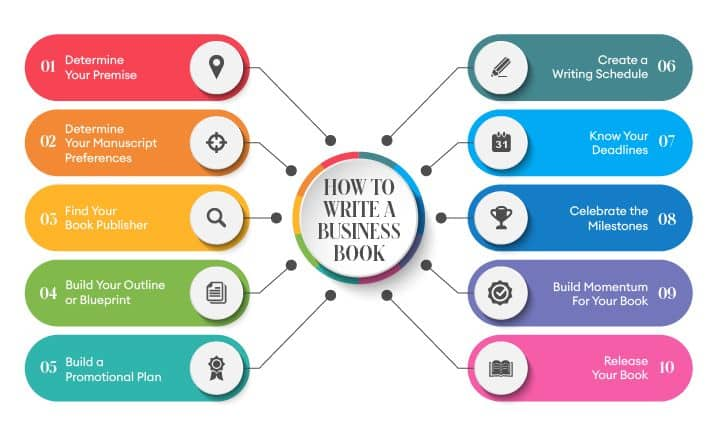
A common professional structure includes:
- Introduction
- Problem explanation
- Step-by-step solutions
- Examples or case studies
- Actionable takeaways
- Conclusion
Readers should feel guided through a transformation journey.
For example, a fitness book may move from mindset to nutrition to exercise to long-term habits.
Create a Powerful Book Outline
Outlining is one of the biggest differences between beginner and professional writers.
A detailed outline saves time, prevents writer’s block, and improves flow.
How to Outline a Book Professionally
Step 1: Brainstorm Ideas
Write down every possible topic, scene, chapter idea, or lesson.
Do not edit yourself during brainstorming.
Step 2: Organize Major Sections
Group similar ideas together.
For example:
- Introduction
- Core concepts
- Advanced strategies
- Final transformation
Step 3: Break into Chapters
Each chapter should focus on one major point.
Professional writers avoid overcrowding chapters with too many ideas.
Step 4: Add Subheadings
Subheadings improve readability and help readers speed-read content easily.
They also improve SEO performance for digital publishing.
Step 5: Define Chapter Goals
Ask:
- What should readers learn here?
- What emotion should they feel?
- What action should they take next?
Every chapter must serve a clear purpose.
Write an Attention-Grabbing Introduction
The introduction determines whether readers continue or quit.
Professional writers hook readers immediately.

What a Great Introduction Includes
A Strong Hook
Start with:
- A surprising fact
- A powerful question
- A relatable problem
- A compelling story
The Reader’s Problem
Show readers you understand their struggle.
The Promise
Clearly explain what the book will help them achieve.
Credibility
Share why you are qualified to guide them.
A Roadmap
Give readers a preview of what they will learn.
An engaging introduction builds trust and curiosity.
Structure Chapters for Maximum Engagement
Professional chapters are carefully designed to maintain reader interest.
The Ideal Chapter Formula
Chapter Opening
Begin with:
- A story
- A bold statement
- A problem
- A surprising insight
The first paragraph should create curiosity instantly.
Main Content
Present your ideas clearly and logically.
Use:
- Short paragraphs
- Bullet points
- Examples
- Data
- Stories
- Quotes
Emotional Connection
Readers remember emotions more than information.
Professional writers use storytelling throughout the book.
Chapter Ending
End chapters with:
- A key takeaway
- A cliffhanger
- Reflection questions
- Action steps
- A transition to the next chapter
Strong endings encourage readers to continue.
Master the Art of Book Flow
Flow is what makes a book feel smooth and engaging.
Poor transitions make books feel disorganized.
Tips to Improve Book Flow
Maintain Logical Progression
Each chapter should naturally connect to the next.
Avoid Repetition
Repeating the same idea weakens impact.
Balance Information and Storytelling
Too much information becomes boring.
Too many stories reduce clarity.
Professional writers blend both effectively.
Keep a Consistent Tone
Maintain the same voice throughout the book.
Consistency builds reader trust.
Use Professional Pacing Techniques
Pacing determines how quickly readers move through your book.
Books with poor tempo feel either rushed or painfully slow.
How Professionals Control Tempo
Shorter Chapters
Short chapters increase reading momentum.
Strategic Tension
Introduce challenges, questions, or emotional stakes regularly.
Vary Sentence Length
Mix short and long sentences for rhythm.
Cut Unnecessary Content
Professional writers edit violently.
Every sentence should add value.
Develop Strong Character Curves in Fiction
If you are writing fiction, character development is essential.
Readers connect with characters who evolve.
Elements of a Strong Character Arc
Internal Conflict
Characters should struggle emotionally.
External Obstacles
Conflict drives the story forward.
Growth and Transformation
Characters should change meaningfully by the end.
Clear Motivation
Readers need to understand what characters want and why.
Professional storytelling combines emotional depth with plot progression.
Organize Nonfiction for Clarity and Authority
Nonfiction readers want practical value.
Professional writers make information easy to understand and apply.
Best Practices for Nonfiction Structure
Use Clear Headings
Headings improve readability and SEO.
Include Actionable Advice
Readers love step-by-step strategies.
Add Case Studies
Examples increase credibility.
Summarize Key Points
Chapter summaries strengthen learning.
Use Visual Organization
Bullet points, lists, and spacing improve user experience.
Well-organized nonfiction books often receive better reviews and recommendations.
Edit Like a Professional Writer
The first draft is only the beginning.
Professional-quality books require extensive editing.
The Professional Editing Process
Developmental Editing
Focus on structure, flow, and organization.
Line Editing
Improve clarity, tone, and sentence quality.
Copy Editing
Fix grammar, punctuation, and consistency.
Proofreading
Catch final errors before publishing.
Editing transforms rough writing into polished content.
Create Search-Friendly Titles
Use clear and compelling titles.
Add Engaging Subheadings
Search engines favor organized content.
Write Valuable Content
Give prioritizes helpful, user-focused information.
Use Readable Formatting
Short paragraphs and headings improve user engagement.
SEO-friendly books attract more readers organically.
Common Book Structuring Mistakes to Avoid
Even talented writers make structural mistakes.
Avoid These Common Problems
Weak Beginnings
Slow openings lose readers quickly.
Lack of Direction
Every chapter should support the main goal.
Overloaded Chapters
Too much information overwhelms readers.
Inconsistent Tone
Switching styles confuses audiences.
Weak Endings
A disappointing conclusion damages the overall experience.
Recognizing these mistakes early can dramatically improve your manuscript.
How Professional Writers Stay Organized
Successful authors use systems to manage complex projects.
Helpful Tools and Methods
Mind Maps
Visual brainstorming improves creativity.
Digital Writing Software
Popular tools include:
- Scrivener
- Notion
- Google Docs
- Microsoft Word
- Plots
Storyboards
Visual chapter mapping improves pacing.
Writing Schedules
Consistency is more important than motivation.
Professional writers treat writing like a serious craft.
Create a Powerful Ending
A strong ending leaves a lasting impression.
Readers should feel satisfied, inspired, or emotionally moved.
What Makes a Great Ending?
Resolve Major Questions
Avoid leaving important issues unresolved unless writing a sequel.
Reinforce the Core Message
Connect the ending to the book’s central theme.
Deliver Emotional Impact
The final pages should feel meaningful.
Include a Call to Action
In nonfiction, encourage readers to apply what they learned.
Professional endings increase word-of-mouth recommendations.
Learning how to structure a book
Learning how to structure a book like a professional writer can completely transform your writing career. Great structure improves readability, engagement, pacing, emotional impact, and publishing success. Professional writers do not rely only on inspiration. They use proven frameworks, outlines, pacing strategies, and editing systems to create books that connect deeply with readers. Whether you are writing your first novel, a nonfiction guide, or a future bestseller, the key is organization, clarity, and purpose.

FAQs.
1. What is the best structure for writing a book?
The best book structure depends on your genre and audience. Fiction books often use the three-act structure, while nonfiction books usually follow a logical step-by-step framework. A professional structure keeps readers engaged and ensures smooth flow throughout the book.
2. Why is book structure important?
Book structure improves readability, pacing, clarity, and emotional impact. A well-organized book helps readers stay interested and makes your content easier to understand.
3. How do professional writers organize chapters?
Professional writers organize chapters around one main idea or purpose. Each chapter should naturally connect to the next while building momentum and supporting the book’s central theme.
4. Should I outline my book before writing?
Yes, outlining helps writers stay focused, avoid writer’s block, and maintain logical flow. Most professional authors create detailed outlines before drafting their books.
5. How long should book chapters be?
There is no perfect chapter length, but shorter chapters often improve pacing and reader engagement. Many professional writers keep chapters concise and focused.
6. What is the three-act structure in fiction writing?
The three-act structure divides a story into setup, confrontation, and resolution. It is widely used in novels, movies, and screenplays because it creates strong storytelling flow and emotional impact.
7. How can I improve the flow of my book?
You can improve book flow by using smooth transitions, maintaining consistent tone, organizing ideas logically, and avoiding unnecessary repetition.
8. What are common book structuring mistakes?
Common mistakes include weak openings, confusing chapter order, inconsistent pacing, overloaded chapters, and unsatisfying endings. Careful outlining and editing can help avoid these problems.
9. How do I structure a nonfiction book effectively?
A strong nonfiction structure usually includes an introduction, problem explanation, practical solutions, examples, actionable strategies, and a conclusion that reinforces key lessons.
10. Can a good book structure help with SEO and book sales?
Yes, a well-structured book improves user experience, readability, and search engine optimization. Clear headings, organized content, and valuable information can help attract more readers online and increase book sales.
fatimaali3rocket@gmail.comhttps://healthandtechnologies.com/wp-admin/https://healthandtechnologies.com