
How ISBN Works and Why It’s Important for Your Book 3126:
In today’s highly competitive publishing world, getting your book noticed requires more than great writing. Whether you’re a self-published author, independent publisher, or traditional publishing professional, understanding ISBN (International Standard Book Number) is essential for book distribution, discoverability, sales tracking, and global recognition.
An ISBN acts as a unique identity for your book, helping retailers, libraries, distributors, and readers find and distinguish your title from millions of others worldwide. Without it, your book may face limitations in distribution and visibility.
What Is an ISBN?
An ISBN (International Standard Book Number) is a unique 13-digit identifier assigned to books and book-like publications. It serves as a universal identification system used across the global publishing industry. Think of an ISBN as your book’s fingerprint. No two published books with different editions, formats, or versions share the same ISBN.
Example of an ISBN:
978-1-234567-89-0
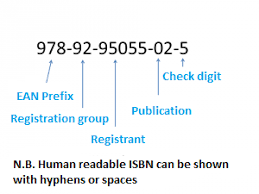
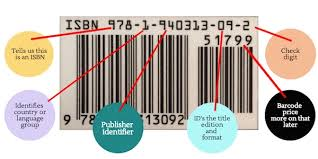
Each section of the ISBN contains information about:
- Country or language group
- Publisher
- Title identifier
- Check digit for validation
The ISBN system is governed internationally by the International ISBN Agency, ensuring consistency across more than 200 countries.
Why ISBN Is Important for Your Book
Many new authors ask:
“Do I really need an ISBN?”
The answer depends on your publishing goals, but for most authors, the answer is yes. Here are the major reasons why ISBNs are crucial.
1. Professional Publishing Credibility
An ISBN instantly makes your book look professional. Bookstores, libraries, wholesalers, distributors, and online retailers rely on ISBNs to identify and manage inventory. Without an ISBN, your book may appear less credible in the marketplace.
Benefits:
Professional recognition
Industry-standard identification
Improved trust among retailers
Better publishing opportunities
2. Global Book Distribution
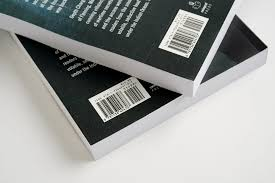
One of the biggest advantages of having an ISBN is access to wider distribution channels.
Major platforms use ISBNs to catalog books, including:
- Amazon
- Barnes & Noble
- Kobo
- Apple Books
- Google Play Books
- IngramSpark
- Library systems worldwide
An ISBN enables your book to enter databases used by retailers and distributors globally.
3. Easier Discoverability
Readers cannot buy a book they cannot find. ISBN metadata helps search engines, bookstores, and libraries locate your title quickly. When your ISBN is linked to accurate metadata such as:
- Author name
- Title
- Genre
- Publisher
- Publication date
your book becomes easier to discover online. This contributes to improved visibility in search results and book databases.
4. Accurate Sales Tracking
Publishing professionals use ISBNs to track book sales across multiple channels. Retailers report sales data based on ISBN numbers, allowing:
- Market analysis
- Bestseller tracking
- Royalty calculations
- Inventory management
Without an ISBN, tracking performance can become significantly more difficult.
5. Library Cataloging
Libraries around the world depend on ISBNs for classification and cataloging. Books without ISBNs may face challenges entering major library collections. For authors seeking educational, academic, or institutional exposure, an ISBN is especially important.
How ISBN Works
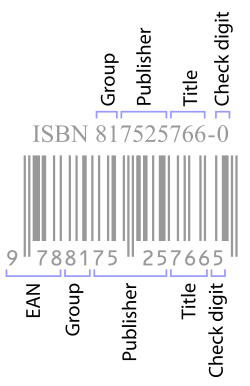
Understanding the structure of an ISBN can help authors make informed publishing decisions. A modern ISBN contains 13 digits divided into five sections.
Example:
978-0-123456-78-9
Let’s break it down.
Prefix Element
The first three digits are typically:
- 978
- 979
These indicate that the identifier belongs to the international ISBN system.
Registration Group
This section identifies geographic regions or language groups.
Examples:
- English-speaking countries
- French-speaking regions
- German-language markets
Registrant Element
This identifies the publisher. Large publishers receive shorter registrant numbers because they publish many books. Independent authors and small publishers usually receive longer numbers.
Publication Element
This section identifies a specific title or edition. Every format receives its own unique identifier.
Check Digit
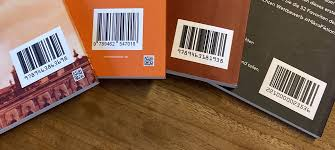
The final digit verifies that the ISBN is mathematically valid. This prevents errors in data entry and inventory systems.
Different Book Formats Need Different ISBNs
One of the most misunderstood aspects of ISBNs is that each format requires its own ISBN.
For example:
Paperback
ISBN: 978-1-234567-89-0
Hardcover
ISBN: 978-1-234567-90-6
eBook
ISBN: 978-1-234567-91-3
Audiobook
ISBN: 978-1-234567-92-0
Even though the content may be similar, each format is treated as a separate product in the publishing ecosystem.
Do eBooks Need an ISBN?
This is a common question among self-published authors. Technically, some online platforms allow eBooks to be sold without an ISBN. For example:
- Amazon Kindle Direct Publishing (KDP) provides an internal identifier called ASIN. Owning an ISBN for your eBook offers benefits:
- Wider distribution
- Professional branding
- Better metadata management
- Compatibility across multiple retailers
Authors planning to distribute beyond a single platform often choose to assign ISBNs to eBooks.
How to Get an ISBN
The process varies depending on your country. In many countries, ISBNs are obtained through the national ISBN agency.
Typical Steps:
Step 1: Identify Your ISBN Agency
Each country has an official ISBN provider.
Examples include:
- Bowker (United States)
- Nielsen ISBN Agency (United Kingdom)
- National ISBN agencies worldwide
Step 2: Purchase or Request ISBNs
Some countries provide ISBNs free of charge. Others sell them individually or in bulk packages. Many authors purchase multiple ISBNs because each format requires a separate number.
Step 3: Register Metadata
Provide accurate information including:
- Book title
- Subtitle
- Author name
- Publisher
- Publication date
- Format
- Genre
Accurate metadata improves discoverability and search rankings.
ISBN vs ASIN: What’s the Difference?
Authors publishing on Amazon often encounter ASINs.
ISBN
- International standard
- Works across multiple platforms
- Recognized globally
- Supports wide distribution
ASIN
- Amazon-specific identifier
- Used only within Amazon’s ecosystem
- Not universally recognized
For maximum flexibility, many authors use both.
Latest ISBN Trends in 2026
The publishing landscape continues to evolve rapidly.
I want to explain the latest ISBN report.
Growth of Self-Publishing
Self-publishing continues to expand globally. Millions of independent authors now purchase ISBNs to maintain publishing control and establish their own imprint brands. Industry experts predict continued growth throughout 2026 and beyond.
Increased Metadata Optimization
Publishers are investing heavily in metadata quality. Search algorithms increasingly rely on metadata connected to ISBN records.
This means:
- Better keyword optimization
- Enhanced discoverability
- Improved search rankings
- More accurate categorization
ISBN metadata has become a powerful marketing asset.
Expansion of Global Distribution Networks
Print-on-demand services and digital distribution platforms started expanding.
An ISBN helps books move seamlessly through:
- Retail systems
- International marketplaces
- Wholesale networks
- Library databases
Global accessibility has become a major competitive advantage.
AI-Powered Book Discovery
Artificial intelligence is transforming how readers find books. Recommendation systems increasingly use structured metadata connected to ISBNs. Books with complete and accurate ISBN records often benefit from stronger discoverability across digital platforms.
Common ISBN Mistakes Authors Should Avoid
Many new authors make avoidable ISBN errors.
Using One ISBN for Multiple Formats
Each edition requires a unique ISBN. Never use the same ISBN for:
- Paperback
- Hardcover
- Audiobook
- eBook
Incorrect Metadata
Wrong metadata can damage discoverability. Always verify:
- Author name
- Title
- Publication date
- Category
- Publisher details
Waiting Until the Last Minute
Secure your ISBN early in the publishing process. Retailers and distributors often require ISBN information before listing your book.
Using Free ISBNs Without Understanding Ownership
Some publishing platforms provide free ISBNs. The platform may be listed as the publisher of record. Authors seeking complete publishing control often purchase their own ISBNs.
SEO Benefits of ISBN for Book Marketing
Although ISBN itself is not a direct Google ranking factor, it contributes significantly to online visibility.
Benefits include:
- Better indexing by book databases
- Consistent metadata across platforms
- Enhanced search accuracy
- Improved retailer listings
- Stronger discoverability
When ISBN metadata aligns with optimized book descriptions, keywords, and categories, your book gains greater exposure online.
ISBN and Print-on-Demand Publishing
Print-on-demand (POD) services have become a dominant publishing model.
Popular POD platforms include:
- Amazon KDP Print
- IngramSpark
- Lulu
- Blurb
Most POD services require or strongly recommend ISBNs. ISBNs help:
- Track inventory
- Manage orders
- Distribute globally
- Improve retailer integration
For authors using POD, ISBN ownership remains a key strategic decision.
Is an ISBN Required by Law?
In most countries, ISBNs are not legally required to publish a book. They are often required for:
- Retail distribution
- Library inclusion
- Wholesale sales
- Professional cataloging
While you can technically publish without one, doing so may limit your book’s market reach. An ISBN is much more than a number. It is the foundation of a book’s identity in the global publishing industry. From book distribution and sales tracking to discoverability and professional credibility, ISBNs play a critical role in helping authors succeed. As publishing becomes increasingly digital and data-driven in 2026, accurate ISBN registration and metadata optimization are more important than ever.
Whether you’re launching your first self-published novel, publishing a business book, or building a professional publishing brand, securing the right ISBN is one of the smartest investments you can make. A properly assigned ISBN helps your book become discoverable, searchable, trackable, and accessible worldwide giving readers the best chance to find, buy, and enjoy your work.
FAQs.
1. What Is an ISBN and Why Does My Book Need One?
An ISBN (International Standard Book Number) is a unique 13-digit identifier assigned to books and other book-like publications. It serves as a global identification system that helps bookstores, libraries, distributors, wholesalers, and online retailers recognize and track specific book titles.
An ISBN is important because it gives your book a professional identity within the publishing industry. Without an ISBN, many bookstores and libraries may not be able to stock or catalog your book. Additionally, online retailers often use ISBN data to organize and display book information accurately. For authors who want to sell their books internationally, track sales, and improve discoverability, having an ISBN is highly recommended. It helps ensure that your book can be found and ordered through global distribution networks.
2. How Does an ISBN Work?
An ISBN works by assigning a unique number to a specific book edition and format. The ISBN contains information about the language group, publisher, title, and a verification digit used to confirm the number’s accuracy. When a retailer scans a book’s barcode, the ISBN identifies that exact product within databases worldwide. This allows bookstores, libraries, distributors, and online platforms to access details such as the title, author, format, publisher, and pricing information.
The ISBN acts as a universal reference point, making inventory management, sales reporting, and book distribution more efficient across the publishing industry.
3. Do All Books Need an ISBN?
Not every book is legally required to have an ISBN. However, most commercially published books benefit greatly from having one. Books sold through bookstores, libraries, wholesalers, and major online retailers typically require ISBNs for efficient cataloging and distribution. If your goal is professional publishing and broad market reach, obtaining an ISBN is usually the best choice.
Some publications, such as personal journals, private family books, internal company manuals, or books distributed only to a limited audience, may not require an ISBN. However, authors planning to market and sell books widely should strongly consider obtaining one.
4. Does Each Book Format Need a Separate ISBN?
Yes. Each unique format or edition of a book requires its own ISBN. For example, if your book is available as:
- Paperback
- Hardcover
- eBook
- Audiobook
each version should have a separate ISBN. This distinction allows retailers and distributors to accurately track inventory, sales, and product listings.
Using different ISBNs for each format helps prevent confusion among customers and ensures that the correct version of the book is ordered and delivered. Many first-time authors mistakenly believe one ISBN can cover all versions of a book. In reality, each format is treated as a separate product within the publishing industry.
5. Do eBooks Need an ISBN?
The answer depends on where and how the eBook will be distributed. Some digital publishing platforms, such as Amazon Kindle Direct Publishing (KDP), do not require ISBNs for Kindle eBooks. Instead, Amazon assigns an internal identifier known as an ASIN (Amazon Standard Identification Number). Having an ISBN for your eBook offers several advantages, including:
- Wider distribution opportunities
- Professional metadata management
- Better compatibility across multiple retailers
- Enhanced discoverability in publishing databases
If you plan to distribute your eBook through multiple platforms beyond Amazon, using an ISBN is generally recommended.
6. Where Can I Get an ISBN?
ISBNs are issued through official ISBN agencies designated by each country. For example:
- In the United States, ISBNs are available through Bowker.
- In the United Kingdom, ISBNs are managed through Nielsen ISBN Agency.
- Many other countries have their own national ISBN agencies.
The process typically involves registering with the agency, purchasing or requesting ISBNs, and providing information about your publication. Some countries provide ISBNs free of charge, while others require payment. Authors who plan to publish multiple books or formats often purchase ISBNs in bulk because it can be more cost-effective.
7. What Is the Difference Between an ISBN and an ASIN?
An ISBN and an ASIN are both identification numbers, but they serve different purposes. An ISBN is an internationally recognized identifier used throughout the global publishing industry. It is accepted by bookstores, libraries, wholesalers, and online retailers worldwide. An ASIN, on the other hand, is an Amazon-specific identifier used only within Amazon’s marketplace.
The key differences include:
ISBN
- Global recognition
- Industry standard
- Supports wide distribution
- Used across multiple sales channels
ASIN
- Amazon-exclusive
- Used only within Amazon’s ecosystem
- Not recognized by most external distributors
Authors who want maximum flexibility often use ISBNs while also benefiting from Amazon’s ASIN system.
8. Can I Use a Free ISBN Provided by a Publishing Platform?
Yes, many self-publishing platforms offer free ISBNs. However, authors should understand the implications before accepting one. When a platform provides a free ISBN, that company is often listed as the publisher of record. This means the publishing platform’s name may appear in industry databases instead of your own publishing imprint.
Benefits of a free ISBN include:
- No upfront cost
- Quick setup
- Easy publishing process
Potential drawbacks include:
- Limited publishing control
- Publisher attribution belongs to the platform
- Less flexibility if switching distribution channels
Authors seeking complete ownership and branding control often purchase their own ISBNs directly from their national ISBN agency.
9. How Does an ISBN Help with Book Marketing and SEO?
Although ISBNs are not direct Google ranking factors, they play an important role in book discoverability.
ISBNs connect your book to metadata, including:
- Title
- Author name
- Publisher
- Publication date
- Genre
- Format
Accurate metadata helps search engines, retailers, and book databases identify and display your book correctly. A properly registered ISBN can improve:
- Search visibility
- Retail listings
- Library cataloging
- Distribution efficiency
- Sales tracking
Now- a- days digital publishing environment, metadata optimization linked to ISBN records is a valuable part of any book marketing strategy.
10. What Happens If My Book Doesn’t Have an ISBN?
Publishing without an ISBN is possible, but it may limit your book’s reach and opportunities. Books without ISBNs can face challenges such as:
- Reduced bookstore acceptance
- Limited library access
- Difficulties with wholesale distribution
- Less accurate sales tracking
- Lower discoverability in publishing databases
For authors publishing solely for personal use or restricted distribution, an ISBN may not be necessary. However, for those seeking professional publication, commercial sales, and international exposure, an ISBN is one of the most valuable tools available. Having an ISBN helps establish credibility, improve discoverability, and ensure your book can participate fully in the global publishing ecosystem.
An ISBN is a fundamental component of professional book publishing. It provides a unique identity for your book, supports global distribution, enhances discoverability, and simplifies inventory and sales tracking. Whether you’re publishing a paperback, hardcover, eBook, or audiobook, understanding how ISBNs work can help you make informed decisions that support your long-term publishing goals.
As the publishing industry continues to evolve in 2026, ISBNs remain a critical asset for authors who want to maximize visibility, reach new readers, and build a successful publishing career. By securing the appropriate ISBNs and maintaining accurate metadata, you position your book for greater success in bookstores, libraries, online marketplaces, and search engines worldwide.
fatimaali3rocket@gmail.comhttps://healthandtechnologies.comhttps://healthandtechnologies.com