
How to Turn Your Manuscript into a Published Book
How to Turn Your Manuscript into a Best Published Book 3126:Writing a manuscript is a remarkable achievement, but completing your draft is only the beginning of your publishing journey. Many aspiring authors dream of seeing their books on bookstore shelves or available on major online platforms, yet they often feel overwhelmed by the publishing process. Fortunately, modern publishing offers more opportunities than ever before, whether you choose traditional publishing, self-publishing, or hybrid publishing.
In 2026, authors have access to advanced publishing tools, global distribution networks, AI-assisted editing technologies, and digital marketing strategies that can transform a manuscript into a professionally published book. This comprehensive guide will walk you through every stage of the process, helping you navigate the path from finished manuscript to successful publication.
Why Publishing Your Book Matters
Publishing a book is more than simply printing pages and selling copies. It allows you to:
- Share your knowledge and expertise
- Build personal or professional credibility
- Establish yourself as an authority in your field
- Generate income through book sales
- Reach a global audience
- Leave a lasting impact through your ideas and stories
Whether you have written fiction, nonfiction, poetry, educational material, or a memoir, proper publishing can significantly increase your book’s visibility and success.
Step 1: Complete and Refine Your Manuscript
Before thinking about publication, ensure your manuscript is fully complete. Many writers rush into publishing without thoroughly reviewing their work. A polished manuscript stands a much greater chance of attracting readers, agents, and publishers.
Self-Editing Tips
Start by reviewing:
- Grammar and spelling
- Sentence structure
- Story consistency
- Character development
- Plot flow
- Factual accuracy
- Repetitive language
Read your manuscript aloud to identify awkward phrasing and areas needing improvement.
Take a Break Before Editing
One of the most effective editing techniques is stepping away from your manuscript for several weeks. Returning with fresh eyes helps you identify issues you may have previously overlooked.
Step 2: Seek Professional Editing

Even experienced authors benefit from professional editing. Publishing standards have become increasingly competitive, making professional editing essential.
Types of Editing
Developmental Editing
Focuses on:
- Structure
- Plot
- Character development
- Organization
- Overall manuscript quality
Copy Editing
Focuses on:
- Grammar
- Punctuation
- Word choice
- Clarity
- Consistency
Proofreading
The final review before publication to eliminate remaining errors.
Professional editing significantly enhances your book’s credibility and reader satisfaction.
Step 3: Gather Feedback from Beta Readers
Beta readers are individuals who read your manuscript before publication and provide honest feedback.
They help identify:
- Confusing sections
- Weak characters
- Plot holes
- Pacing problems
- Areas requiring clarification
Choose readers who match your target audience whenever possible. Constructive feedback can dramatically improve your manuscript before publication.
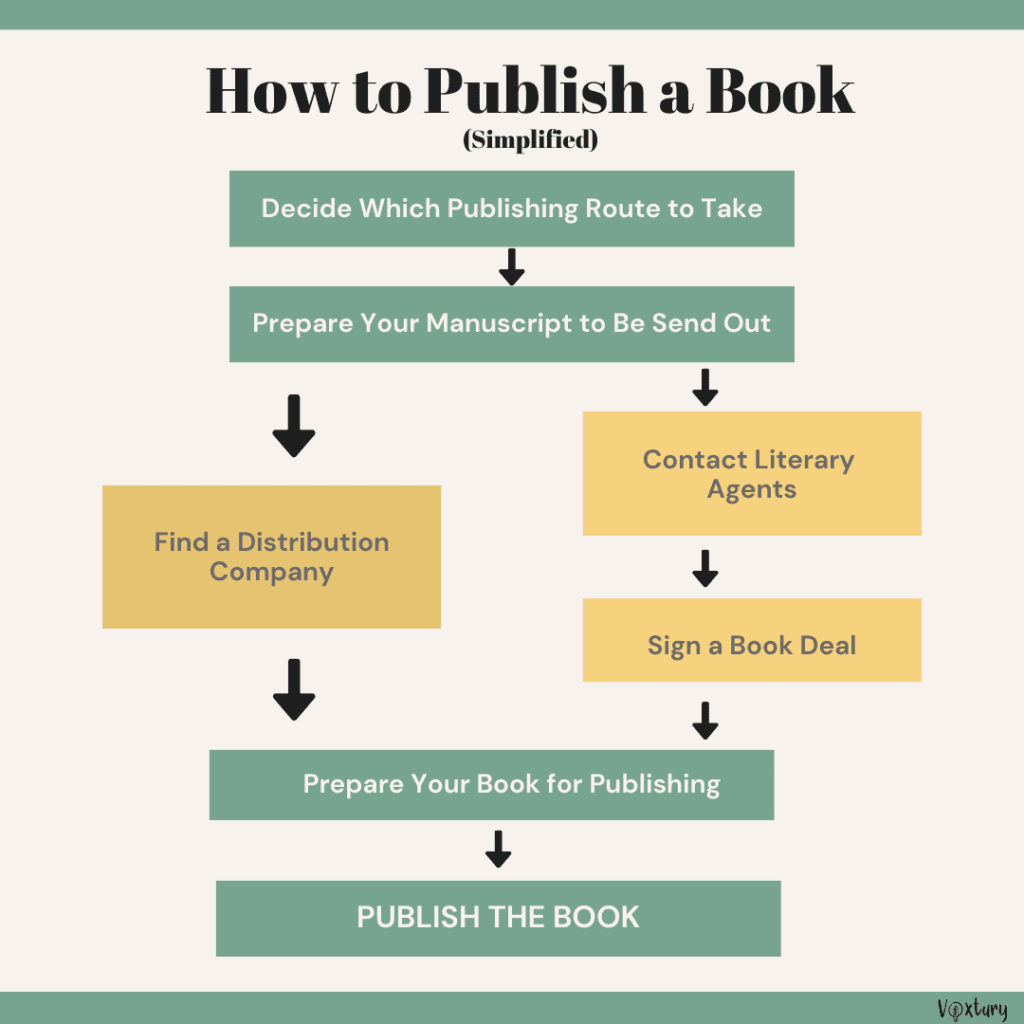
Step 4: Decide on Your Publishing Path
One of the most important decisions you’ll make is choosing how to publish your book.
Traditional Publishing
Traditional publishing involves submitting your manuscript to literary agents or publishing houses.
Advantages
- Professional editing
- Marketing support
- Industry credibility
- Wider bookstore distribution
Challenges
- Highly competitive
- Long approval process
- Lower creative control
- Smaller royalty percentages
Self-Publishing
Self-publishing has become increasingly popular and profitable.
Popular platforms include:
- Amazon Kindle Direct Publishing (KDP)
- IngramSpark
- Draft2Digital
- Kobo Writing Life
Benefits
- Full creative control
- Higher royalties
- Faster publication
- Global distribution
Challenges
- Marketing responsibility
- Upfront costs
- Managing production independently
Hybrid Publishing
Hybrid publishers combine aspects of traditional and self-publishing. Authors typically invest in publishing services while retaining greater control and higher royalty rates. This model continues to grow in popularity among independent authors.
Step 5: Create a Professional Book Cover

People absolutely judge books by their covers. Your book cover serves as your primary marketing tool and often determines whether a potential reader clicks or scrolls away.
Elements of an Effective Cover
- Clear title
- Readable typography
- Professional imagery
- Genre-appropriate design
- Strong visual impact
A professionally designed cover can significantly increase sales and credibility.
Step 6: Format Your Book Properly
Book formatting ensures your manuscript looks professional across all devices and print editions.
Common Formats
eBook Formats
- EPUB
- MOBI
- Kindle format
Print Formats
- Paperback
- Hardcover
Proper formatting includes:
- Consistent fonts
- Correct spacing
- Chapter headings
- Margins
- Page numbering
Poor formatting can lead to negative reviews and reduced sales.
Step 7: Obtain ISBN and Copyright Protection
ISBN (International Standard Book Number)
An ISBN identifies your book globally and helps retailers track sales.
Many self-publishing platforms offer free ISBN options, while others allow you to purchase your own.
Copyright
Copyright protects your intellectual property and gives you legal ownership of your work.
In many countries, copyright protection begins automatically upon creation, but formal registration may provide additional legal benefits.
Step 8: Write an Irresistible Book Description
Your book description acts as a sales pitch.
A compelling description should:
- Grab attention immediately
- Introduce the main theme
- Highlight key benefits
- Create curiosity
- Include relevant keywords
Readers often decide whether to buy based solely on the description.
Step 9: Publish on Major Platforms
Modern publishing platforms provide access to millions of readers worldwide.
Amazon Kindle Direct Publishing (KDP)
The largest self-publishing platform globally.
Benefits include:
- Global reach
- Print-on-demand services
- Kindle Unlimited access
- High royalty potential
IngramSpark
Excellent for bookstore distribution and wide global availability.
Draft2Digital
Distributes books across multiple retailers with minimal effort. Publishing on multiple platforms can maximize exposure and sales opportunities.
Step 10: Build Your Author Platform
Successful publishing extends beyond writing. Readers increasingly connect with authors online before purchasing books.
Build Your Presence Through
- Author website
- Blog
- LinkedIn profile
- Facebook page
- YouTube
- Email newsletter
An engaged audience can become your strongest marketing asset.
Step 11: Market Your Book Effectively
Even exceptional books need marketing.
Proven Marketing Strategies
Content Marketing
Create:
- Blog posts
- Guest articles
- Educational content
- Interviews
Social Media Marketing
Share:
- Writing updates
- Book excerpts
- Reader testimonials
- Behind-the-scenes content
Email Marketing
Email remains one of the highest-converting marketing channels for authors. Build a mailing list before launching your book.
Step 12: Leverage AI and Modern Publishing Tools
One of the biggest publishing trends in 2026 is the integration of AI-powered tools.
Authors now use AI to assist with:
- Grammar checking
- Content organization
- Keyword research
- Market analysis
- Cover concept generation
- Advertising optimization
While AI should not replace human creativity, it can improve efficiency and productivity throughout the publishing process.
Step 13: Collect Reviews and Testimonials
Reviews play a crucial role in book sales.
Positive reviews:
- Increase credibility
- Improve rankings
- Encourage purchases
- Enhance visibility on online marketplaces
Encourage readers to leave honest reviews after reading your book.
Early reviews often determine a book’s initial success.
Step 14: Optimize for Amazon and Search Engines
Book discoverability is essential.
Amazon SEO Tips
Include relevant keywords in:
- Book title
- Subtitle
- Description
- Categories
- Backend keywords
Google SEO Tips
If you maintain an author website:
- Publish keyword-rich content
- Create blog articles
- Build backlinks
- Optimize page speed
These strategies can help attract organic traffic and potential readers.
Step 15: Continue Promoting After Launch
Many authors stop marketing after publication.
Successful authors understand that promotion is an ongoing process.
Continue:
- Running advertising campaigns
- Creating content
- Building your audience
- Appearing on podcasts
- Participating in book events
- Networking within your genre
Consistent promotion can generate sales for years after launch.
Emerging Publishing Trends in 2026
The publishing industry continues to evolve rapidly.
Current trends include:
- AI-assisted publishing workflows
- Growth of audiobook consumption
- Direct-to-reader sales models
- Subscription-based reading platforms
- Personalized book marketing
- Interactive digital books
- Global self-publishing opportunities
Authors who adapt to these trends can gain a significant competitive advantage. Turning your manuscript into a published book requires dedication, patience, and strategic planning. From editing and formatting to publishing and marketing, every stage contributes to your book’s success. Today’s publishing landscape offers unprecedented opportunities for authors. Whether you pursue traditional publishing, self-publishing, or a hybrid approach, success depends on producing a high-quality book and actively connecting with readers.
The journey from manuscript to published book may seem challenging, but with the right preparation, professional presentation, and effective marketing, your work can reach audiences around the world. Your manuscript represents more than words on a page it represents your ideas, expertise, and creative vision. Take the next step confidently and transform your manuscript into a published book that leaves a lasting impact.
FAQs.
1. How long does it take to publish a book after completing a manuscript?
The timeline depends on the publishing method. Traditional publishing can take 12–24 months or longer, while self-publishing can often be completed within a few weeks to a few months after editing and formatting.
2. Do I need a professional editor before publishing my book?
Yes. Professional editing helps improve grammar, structure, clarity, and overall quality. A well-edited book enhances credibility and provides a better reading experience.
3. What is the difference between traditional publishing and self-publishing?
Traditional publishing involves working with a publishing house that manages editing, production, and distribution. Self-publishing gives authors full control over the process, higher royalty rates, and faster publication but requires them to handle or outsource these tasks.
4. How much does it cost to self-publish a book?
Costs vary depending on editing, cover design, formatting, and marketing services. Self-publishing can range from a few hundred dollars to several thousand dollars for a professionally produced book.
5. Do I need an ISBN for my book?
An ISBN (International Standard Book Number) helps identify your book and makes it easier for bookstores, libraries, and online retailers to track and distribute it. Many publishing platforms offer free ISBN options.
6. Can I publish my book on Amazon?
Yes. Amazon Kindle Direct Publishing (KDP) allows authors to publish eBooks, paperbacks, and hardcovers, making books available to millions of readers worldwide.
7. How important is a book cover in the publishing process?
A professional book cover is extremely important because it creates the first impression and influences readers’ purchasing decisions. An attractive cover can significantly increase visibility and sales.
8. How can I market my book after publication?
You can market your book through social media, email newsletters, author websites, content marketing, online advertising, book reviews, podcasts, and virtual or in-person book events.
9. Are audiobooks worth creating for my book?
Yes. Audiobooks are one of the fastest-growing segments of the publishing industry. They can help you reach a wider audience and generate additional revenue streams.
10. What are the biggest mistakes first-time authors make when publishing?
Common mistakes include skipping professional editing, using poor cover designs, neglecting marketing, choosing the wrong publishing option, and failing to research their target audience before launching the book.
fatimaali3rocket@gmail.comhttps://healthandtechnologies.comhttps://healthandtechnologies.com