
Storytelling Techniques Every Writer Should Know 3126:
Storytelling is one of the oldest and most powerful forms of human communication. From bestselling novels and blockbuster movies to blog articles and marketing campaigns, great storytelling captures attention, creates emotional connection, and leaves lasting impressions. Every successful writer understands that storytelling is more than simply sharing information. It is the art of guiding readers through emotions, challenges, discoveries, and transformation.
Whether you are writing fiction, non-fiction, blog content, business copy, or social media posts, strong storytelling techniques can dramatically improve reader engagement and make your writing unforgettable.
. Why Storytelling Matters in Writing
People naturally connect with stories.
Stories help readers:
- Understand complex ideas
- Remember information longer
- Feel emotional connection
- Stay engaged from beginning to end
- Relate to experiences and emotions
- Trust the writer more deeply
Modern readers are constantly surrounded by content. Strong storytelling helps your writing stand out in a crowded digital world.
Start With a Powerful Hook
The beginning of your story determines whether readers continue reading. Professional writers use hooks to instantly capture attention.
Effective Hook Techniques
Ask a Compelling Question
Questions naturally create curiosity.
Example:
“What would you do if your entire life changed overnight?”
Use a Shocking Statement
Unexpected ideas grab attention quickly.
Begin With Action
Starting in the middle of an important moment creates excitement.
Share an Emotional Moment
Emotion creates an immediate connection.
Introduce Mystery
Readers stay engaged when they want answers.
The first few lines should create curiosity, emotion, or tension.
Create Relatable Characters
Strong characters are the heart of memorable storytelling.
Readers connect with characters who feel realistic and emotionally authentic.
Key Elements of Great Characters
Clear Goals
Characters should want something meaningful.
Strengths and Weaknesses
Perfect characters often feel unrealistic.
Emotional Depth
Readers connect with emotions more than appearances.
Internal Conflict
Personal struggles make characters more human.
Character Growth
Transformation keeps stories satisfying.
Whether writing fiction or non-fiction, relatable people make content more engaging.

Use Conflict to Maintain Interest
Conflict is one of the most important storytelling elements.
Without conflict, stories become boring.
Types of Conflict
Internal Conflict
A character struggles emotionally or mentally.
External Conflict
The character faces outside challenges.
Relationship Conflict
Tension between people creates drama.
Environmental Conflict
Nature, society, or circumstances create obstacles.
Conflict creates tension, momentum, and emotional investment.
Professional writers continuously introduce challenges that keep readers interested.
Build Emotional Connection
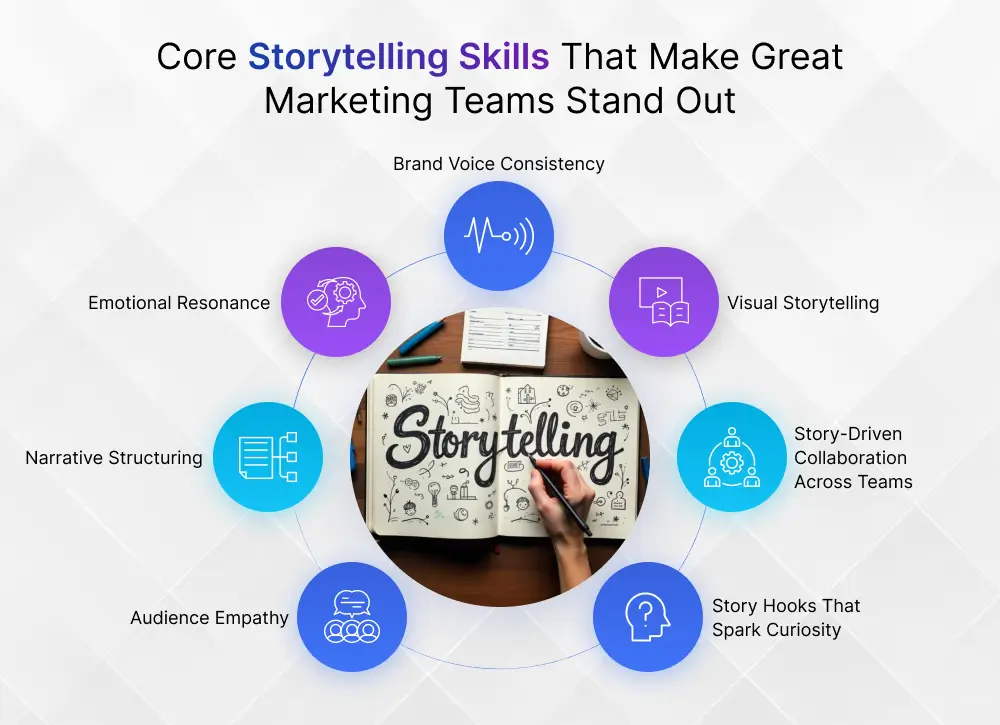
Readers remember stories that make them feel something.
Emotion is often more powerful than information.
How to Create Emotional Impact
Show Vulnerability
Authentic emotions build trust.
Use Sensory Details
Describe sights, sounds, smells, and feelings.
Create Relatable Situations
Readers connect through shared experiences.
Explore Universal Themes
Love, fear, hope, loss, and ambition resonate deeply.
Use Emotional Stakes
Readers care more when outcomes matter emotionally.
Emotional storytelling increases engagement and memorability.
Master the Art of Dialogue
Dialogue brings stories to life.
Strong dialogue feels natural, purposeful, and emotionally revealing.
Tips for Writing Better Dialogue
Make Conversations Sound Realistic
Avoid overly formal speech.
Give Each Character a Unique Voice
Different personalities should sound different.
Keep Dialogue Concise
Long conversations can slow pacing.
Use Dialogue to Reveal Character
People reveal their personality through speech.
Avoid Excessive Exposition
Do not force unnecessary information into conversations.
Good dialogue improves pacing and reader immersion.
Show, Don’t Just Tell
One of the most famous storytelling principles is “show, don’t tell.”
Instead of explaining emotions directly, allow readers to experience them.
Example
Weak:
“Sarah was nervous.”
Strong:
“Sarah’s hands trembled as she reached for the microphone.”
Showing creates stronger emotional imagery.
Readers feel more involved when they can visualize scenes and emotions.
Use Strong Story Structure
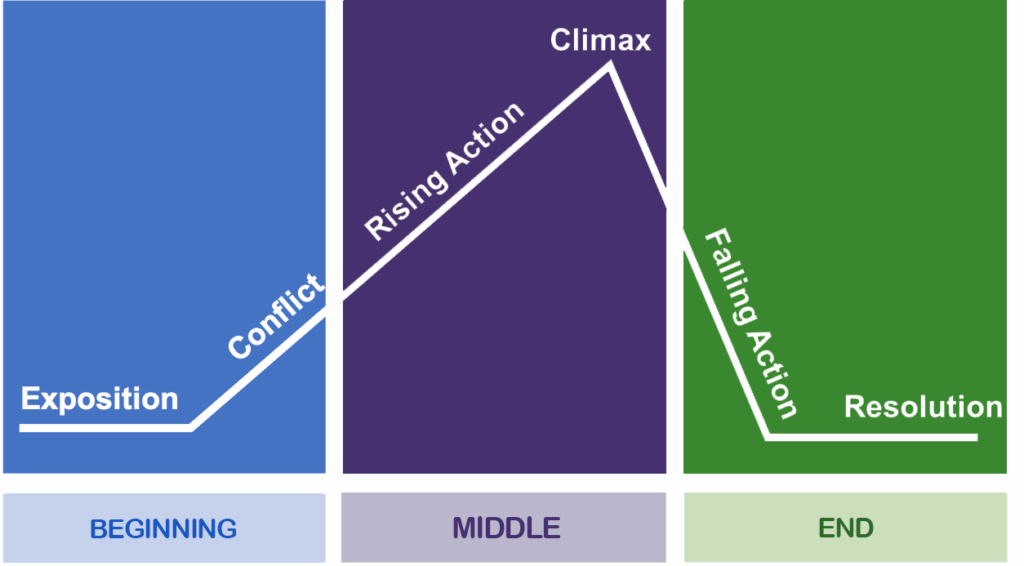
Even creative stories need organization.
Professional writers use a clear structure to maintain flow and pacing.
The Classic Three-Act Structure
Act 1: Setup
Introduce characters, setting, and central conflict.
Act 2: Confrontation
Increase tension and obstacles.
Act 3: Resolution
Resolve conflicts and show transformation.
This structure works for fiction, speeches, articles, and even marketing content.
Create Suspense and Curiosity
Curiosity keeps readers turning pages.
Professional storytellers strategically withhold information.
Techniques for Building Suspense
Ask Unanswered Questions
Readers naturally seek closure.
Use Cliffhangers
Ending sections with tension encourages continued reading.
Reveal Information Gradually
Too much information too early reduces excitement.
Introduce Uncertainty
Unpredictability increases engagement.
Suspense is not only for thrillers.
It improves nearly every type of writing.
Use Descriptive Language Carefully
Description helps readers visualize scenes and emotions.
However, excessive detail can slow pacing.
Effective Description Techniques
Focus on Important Details
Highlight details that support the mood or meaning.
Use Sensory Writing
Engage multiple senses.
Avoid Overwriting
Simple descriptions are often more powerful.
Match Tone and Mood
Descriptions should support the emotional atmosphere.
Strong descriptions create immersion without overwhelming readers.
Develop a Unique Writing Voice
Your writing voice is your personality on the page.
A strong voice makes writing recognizable and memorable.
How to Improve Your Writing Voice
Write Naturally
Avoid sounding forced or artificial.
Read Widely
Reading improves style awareness.
Practice Consistently
Voice develops through repetition.
Be Authentic
Readers connect with honesty.
Avoid Copying Others
Learn from writers without imitating them.
Unique voice helps writers stand out in competitive markets.
Use Storytelling in Non-Fiction Writing
Storytelling is not limited to novels.
Non-fiction writers also benefit from storytelling techniques.
Examples of Storytelling in Non-Fiction
Personal Experiences
Stories make lessons relatable.
Case Studies
Real examples improve credibility.
Customer Success Stories
Business storytelling builds trust.
Historical Narratives
Stories make educational content engaging.
Storytelling transforms informational writing into compelling experiences.
Improve Pacing for Better Engagement
Pacing controls how quickly readers move through your story.
Poor pacing can make content feel rushed or boring.
Pacing Techniques
Use Short Sentences During Intense Moments
Short sentences create urgency.
Slow Down Emotional Scenes
Detailed moments increase emotional impact.
Alternate Tension and Relief
Balance keeps readers emotionally invested.
Remove Unnecessary Content
Every scene should serve a purpose.
Professional pacing maintains reader attention consistently.
Optimize Storytelling for SEO
If your storytelling content appears online, SEO matters.
SEO-friendly storytelling improves visibility and traffic.
SEO Storytelling Tips
Use Keywords Naturally
Examples:
- Storytelling techniques
- Writing tips for authors
- How to improve storytelling
- Professional writing skills
- Creative storytelling methods
Use Clear Headings
Structured content improves readability and SEO.
Write Engaging Meta Descriptions
Compelling descriptions increase clicks.
Improve Readability
User-friendly formatting supports search rankings.
Focus on Reader Intent
Answer questions clearly and helpfully.
SEO works best when combined with genuine value.
Common Storytelling Mistakes to Avoid
Even talented writers make storytelling mistakes.
Recognizing them early improves writing quality.
Major Storytelling Mistakes
Weak Openings
Boring beginnings lose readers quickly.
Flat Characters
Unrealistic characters reduce emotional connection.
Too Much Description
Overwriting slows pacing.
Lack of Conflict
Stories need tension.
Predictable Plotlines
Readers enjoy surprise and originality.
Poor Endings
Weak conclusions reduce impact.
Professional storytelling requires balance, clarity, and emotional depth.
Practice Storytelling Every Day
Storytelling is a skill developed through practice.
The more you write, observe, and revise, the stronger your storytelling becomes.
Ways to Improve Daily
Read Great Stories
Study professional writers.
Observe Real Conversations
Real life improves dialogue writing.
Journal Experiences
Personal reflection strengthens emotional writing.
Rewrite Weak Scenes
Editing improves storytelling instincts.
Experiment With Different Styles
Trying new techniques builds versatility.
Consistent practice is one of the fastest ways to grow as a writer. Learning storytelling techniques every writer should know can dramatically improve your writing quality, reader engagement, and creative confidence.
Strong storytelling combines emotion, structure, conflict, pacing, character development, and clarity to create memorable experiences. Whether you write fiction, non-fiction, blog posts, marketing content, or social media captions, storytelling helps your words connect more deeply with audiences.
Professional writers understand that storytelling is not about adding unnecessary drama. It is about creating meaning, emotional investment, and human connection. Start by mastering simple techniques like strong hooks, emotional storytelling, realistic dialogue, and clear structure.
FAQs
1. What are storytelling techniques in writing?
Storytelling techniques are methods writers use to create engaging, emotional, and memorable content. These techniques include character development, conflict, dialogue, pacing, suspense, and emotional connection.
2. Why is storytelling important for writers?
Storytelling helps writers capture attention, connect emotionally with readers, improve engagement, and make information more memorable and impactful.
3. What is the most important storytelling technique?
One of the most important storytelling techniques is creating emotional connection through relatable characters, meaningful conflict, and realistic experiences.
4. How can I improve my storytelling skills?
You can improve storytelling skills by reading regularly, practicing writing consistently, studying professional authors, observing real-life conversations, and revising your work carefully.
5. What is the “show, don’t tell” technique?
“Show, don’t tell” means describing actions, emotions, and sensory details instead of directly explaining them. This helps readers experience the story more vividly.
6. How does conflict improve storytelling?
Conflict creates tension, suspense, and emotional investment. It keeps readers interested by presenting challenges characters must overcome.
7. Can storytelling be used in non-fiction writing?
Yes, storytelling is highly effective in non-fiction writing. Personal stories, case studies, examples, and real experiences make informational content more engaging and relatable.
8. What are common storytelling mistakes writers make?
Common mistakes include weak openings, flat characters, excessive descriptions, lack of conflict, predictable plots, and poor pacing.
9. How does storytelling help with SEO?
Engaging storytelling improves reader retention, reduces bounce rates, increases social sharing, and encourages longer page visits, which can positively support SEO performance.
10. What makes a story memorable?
Memorable stories usually include a strong emotional connection, relatable characters, meaningful conflict, vivid details, and a satisfying resolution that leaves a lasting impact.
fatimaali3rocket@gmail.comhttps://healthandtechnologies.com/wp-admin/https://healthandtechnologies.com/wp-admin/