
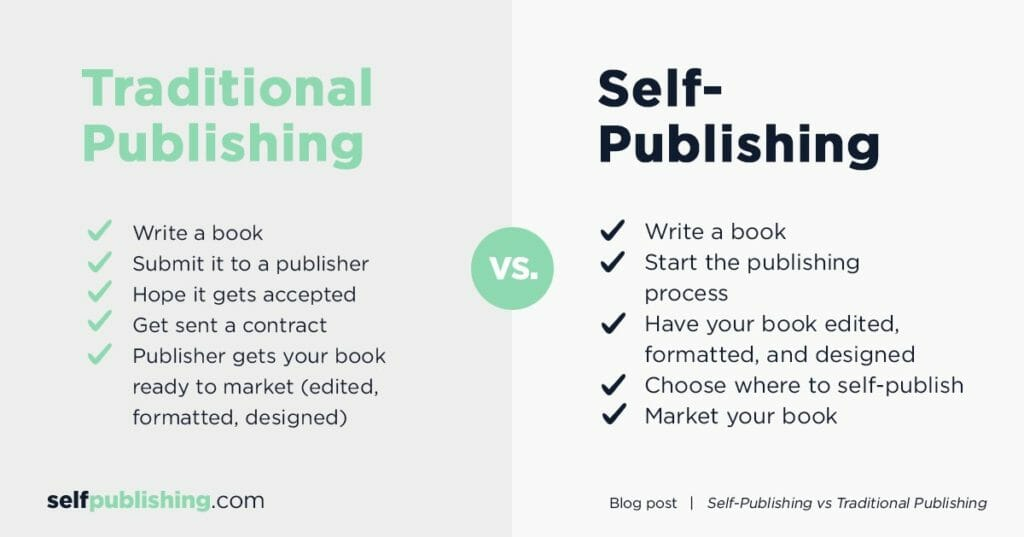
Traditional Publishing vs Self-Publishing: Which One Is Right for You?
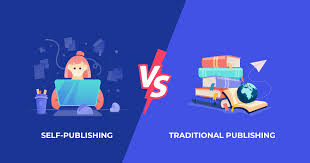
Finishing a manuscript is a major accomplishment, but every author eventually faces a critical question: Should I pursue traditional publishing or self-publish my book? The publishing industry is more dynamic than ever. The rise of Amazon Kindle Direct Publishing (KDP), print-on-demand technology, audiobooks, AI-powered marketing, and direct-to-reader sales has transformed the publishing landscape. Authors now have more options, more control, and more opportunities to reach global audiences. Choosing the right publishing path can significantly impact your book’s success, income potential, creative freedom, and long-term author career.
Understanding Traditional Publishing
Traditional publishing is the classic route where an established publishing company acquires the rights to publish and distribute your book.
Major publishers include:
- Penguin Random House
- HarperCollins
- Simon & Schuster
- Hachette Book Group
- Macmillan Publishers
In most cases, authors submit manuscripts to literary agents, who then pitch the work to publishers. If accepted, the publisher manages much of the production process.
Traditional Publishers Typically Handle:
- Professional editing
- Cover design
- Formatting
- Printing
- Distribution
- Some marketing supports
- Retail bookstore placement
For decades, this was considered the gold standard of publishing.
What Is Self-Publishing?
Self-publishing allows authors to publish books independently without relying on a traditional publisher.
Modern self-publishing platforms include:
- Amazon KDP
- Ingram Spark
- Draft2Digital
- Kobo Writing Life
- Apple Books
The author retains full ownership and control over the book. the author is also responsible for managing or outsourcing various publishing tasks.
Self-Published Authors Control:
- Editing decisions
- Cover design
- Pricing
- Marketing
- Distribution
- Book updates
- Publication schedule
Self-publishing has evolved dramatically and is now a respected option embraced by many bestselling authors.
The Modern Publishing Industry in 2026
The publishing world has changed significantly over the last decade.
Several trends are shaping author decisions:
Growth of Independent Publishing
Millions of authors now publish directly through online platforms.
Print-on-Demand Technology
Books can be printed only when ordered, eliminating inventory costs.
Audiobook Boom
Audio content continues experiencing explosive growth.
AI-Powered Marketing
Authors use AI tools for research, audience targeting, and content creation.
Global Distribution
Self-published books can instantly reach readers worldwide.
Creator Economy Expansion
Authors increasingly monetize through newsletters, memberships, courses, and communities.
These developments have narrowed the gap between traditional and independent publishing.
Advantages of Traditional Publishing
1. Industry Credibility
Traditional publishing still carries prestige.
Being selected by a major publisher often signals quality and professionalism.
This can lead to:
- Media attention
- Literary awards
- Speaking opportunities
- Industry recognition
Many readers and institutions still view traditionally published books as highly credible.
2. Professional Publishing Team
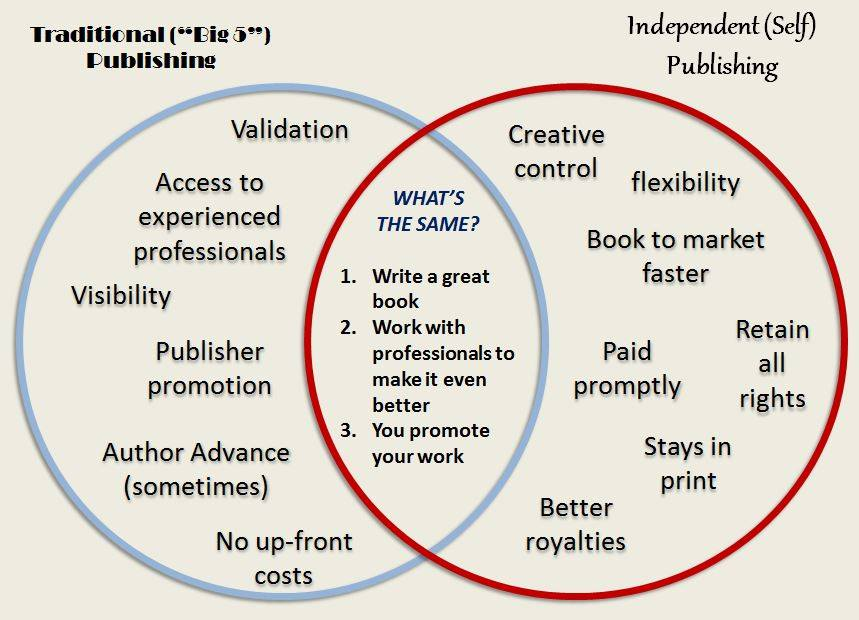
Publishers provide access to experienced professionals.
This includes:
- Editors
- Designers
- Marketing specialists
- Publicists
- Sales representatives
These experts help polish and position your book for success.
3. Wider Bookstore Distribution
Traditional publishers have established relationships with:
- Bookstores
- Libraries
- Educational institutions
- Retail chains
This can increase visibility in physical locations.
4. Advance Payments
Many traditional publishing contracts include advances against future royalties.
This provides upfront compensation before book sales occur.
Popular authors can receive substantial advances.
5. Reduced Administrative Work
The publisher handles many technical and logistical aspects of production.
This allows authors to focus more on writing.
Disadvantages of Traditional Publishing
1. Highly Competitive
Securing a publishing contract is difficult.
Many manuscripts face rejection regardless of quality.
Competition is intense.
2. Long Publishing Timeline
Traditional publishing can take:
- 12 months
- 18 months
- Sometimes 24 months or longer
Authors seeking quick publication may find this frustrating.
3. Lower Royalty Rates
Traditional authors typically receive:
- 5% to 15% royalties on print books
- Higher rates for digital books
Publishers retain a substantial share of revenue.
4. Limited Creative Control
Publishers may influence:
- Book title
- Cover design
- Pricing
- Content changes
- Marketing direction
Authors often have less control over final decisions.
5. Rights Restrictions
Many contracts involve licensing rights for:
- Print editions
- Digital editions
- Audiobooks
- Foreign translations
Authors should carefully review agreements before signing.
Advantages of Self-Publishing
1. Complete Creative Freedom
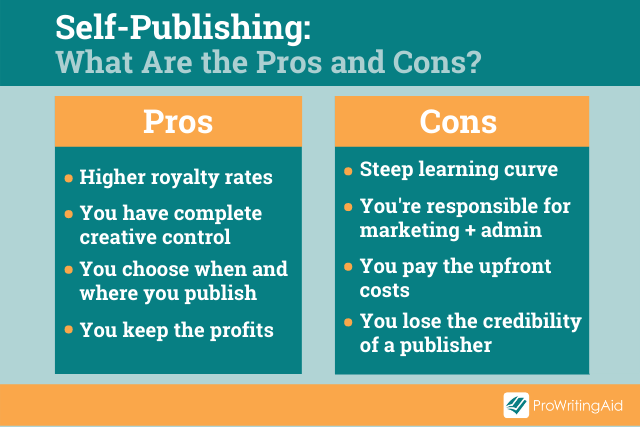
Self-publishing gives authors full control over:
- Content
- Cover design
- Branding
- Pricing
- Marketing
You make every major decision.
2. Higher Royalties
Self-published authors often earn:
- 35% to 70% royalties on eBooks
- Higher profit margins on print books
This can significantly increase earnings.
3. Faster Publication
Books can be published within days or weeks.
This flexibility is valuable for:
- Entrepreneurs
- Business authors
- Trend-focused writers
Speed matters in today’s market.
4. Global Reach
Platforms like Amazon KDP provide access to readers worldwide.
Books become available across multiple countries instantly.
5. Ownership of Rights
Authors retain ownership of intellectual property.
This creates opportunities for:
- Licensing deals
- Audiobooks
- Translations
- Film adaptations
Maintaining control can be highly valuable long term.
Disadvantages of Self-Publishing
1. Upfront Costs
Authors typically pay for:
- Editing
- Cover design
- Formatting
- Marketing
Professional-quality publishing requires investment.
2. Marketing Responsibility
Many new authors underestimate marketing.
Without promotion, even excellent books may struggle.
Successful self-publishing requires consistent audience building.
3. No Guaranteed Bookstore Placement
Physical bookstore distribution can be challenging.
Most self-published books generate sales primarily online.
4. Learning Curve
Authors must understand:
- Publishing platforms
- SEO
- Marketing
- Advertising
- Audience development
This requires time and effort.
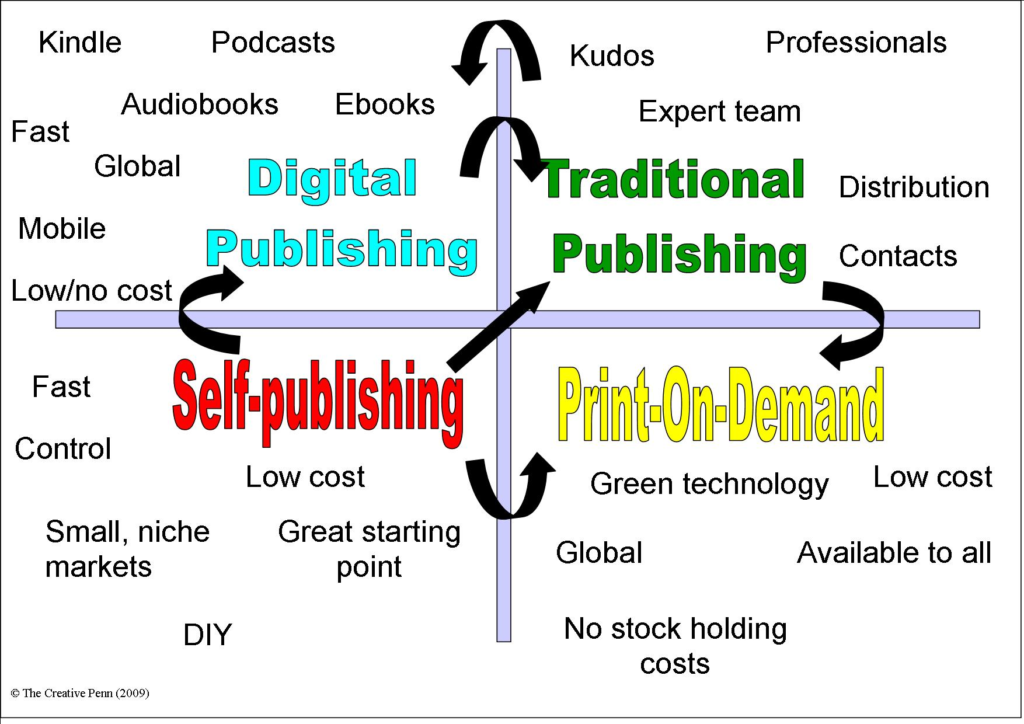
Traditional Publishing vs Self-Publishing: Side-by-Side Comparison
| Factor | Traditional Publishing | Self-Publishing |
| Creative Control | Limited | Complete |
| Royalties | Lower | Higher |
| Publication Speed | Slow | Fast |
| Upfront Costs | Minimal | Moderate |
| Bookstore Access | Strong | Limited |
| Marketing Support | Partial | Self-managed |
| Rights Ownership | Shared | Retained |
| Global Reach | Good | Excellent |
| Competition | Very High | Open Access |
| Income Potential | Moderate | High |
Which Publishing Path Is Best for Fiction Authors?
Fiction authors often succeed through both models.
Traditional Publishing Works Well For:
- Literary fiction
- Award-focused writing
- Mainstream commercial fiction
Self-Publishing Works Well For:
- Romance
- Fantasy
- Science fiction
- Thriller
- Mystery series
Many genre authors achieve remarkable success through self-publishing.
Which Option Is Better for Nonfiction Authors?
Nonfiction authors increasingly favor self-publishing.
Reasons include:
- Faster publication
- Higher profits
- Business lead generation
- Authority building
Entrepreneurs, coaches, consultants, and educators frequently use books as marketing assets.
The Importance of Author Branding
Regardless of publishing path, personal branding matters.
Readers increasingly connect with authors through:
- Websites
- Social media
- Email newsletters
- Podcasts
- YouTube channels
Building a recognizable brand improves visibility and credibility.
Latest Google Ranking Strategies for Authors
Google continues prioritizing helpful, trustworthy, and experience-based content.
Authors should focus on:
Experience
Share genuine insights and expertise.
Expertise
Demonstrate deep subject knowledge.
Authority
Build credibility through publications and industry recognition.
Trust
Provide accurate information and transparent author profiles.
SEO Keywords Authors Should Target
Effective keyword optimization improves discoverability.
High-Value Publishing Keywords
- Traditional publishing
- Self-publishing
- Book publishing guide
- Publish a book
- Amazon KDP
- Author marketing
- Publishing tips
- Independent author
- Book launch strategy
- Bestseller marketing
Naturally, incorporating these keywords into websites and content can improve search visibility.
The Rise of Direct-to-Reader Publishing
One of the biggest publishing trends is direct audience ownership.
Successful authors build:
- Email lists
- Membership communities
- Reader groups
- Premium content platforms
This reduces dependence on third-party algorithms.
Audiobooks: A Major Opportunity
The audiobook industry continues growing rapidly.
Benefits include:
- Additional revenue streams
- Expanded audience reach
- Improved accessibility
- Strong market demand
Many authors now release:
- eBooks
- Paperbacks
- Hardcovers
- Audiobooks
simultaneously.
Common Publishing Mistakes to Avoid
Choosing Based on Ego Instead of Goals
Focus on business objectives and audience needs.
Ignoring Marketing
Publishing is only the beginning.
Skipping Professional Editing
Quality matters more than ever.
Neglecting SEO
Discoverability drives sales.
Unrealistic Expectations
Most successful authors build momentum gradually.
Future Publishing Trends
Several innovations are reshaping publishing.
AI-Assisted Author Tools
AI improves productivity and research efficiency.
Personalized Reader Experiences
Algorithms deliver customized recommendations.
Subscription-Based Reading
Membership models continue growing.
Global Digital Publishing
International markets are becoming more accessible.
Creator-Owned Publishing Brands
Authors increasingly launch independent publishing companies.
How to Decide Which Publishing Path Is Right for You
Traditional publishing may be ideal if you:
✔ Want industry recognition
✔ Prefer professional support
✔ Value bookstore placement
✔ Are comfortable with longer timelines
✔ Don’t mind sharing control
Self-publishing may be ideal if you:
✔ Want higher royalties
✔ Value creative freedom
✔ Need faster publication
✔ Enjoy entrepreneurship
✔ Want complete ownership
Neither option is universally better.
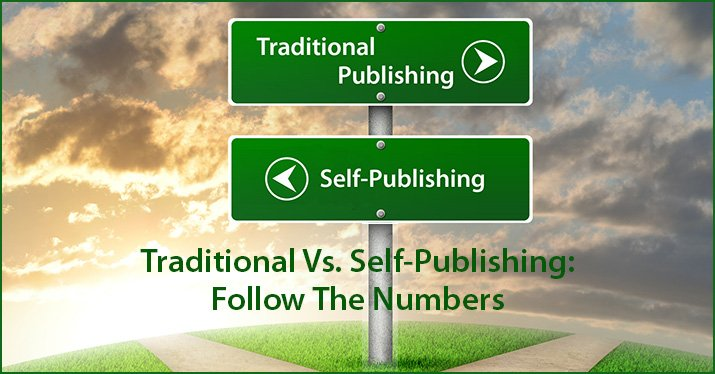
The best choice depends on your personal goals. The debate between traditional publishing and self-publishing is no longer about which method is superior. Instead, it’s about which strategy best supports your goals as an author. Traditional publishing offers prestige, professional support, and established industry connections. Self-publishing provides speed, flexibility, ownership, and potentially higher profits.
Many successful authors build thriving careers through self-publishing, while others continue benefiting from traditional publishing’s credibility and resources. Some even combine both approaches, creating hybrid careers that leverage the strengths of each model. The key is to evaluate your objectives carefully. Whether your goal is building authority, generating income, reaching a global audience, or creating a long-term writing career, understanding the advantages and limitations of each publishing path will help you make an informed decision.
The publishing world has never offered more opportunities. With the right strategy, dedication, and commitment to quality, either path can lead to lasting success.
fatimaali3rocket@gmail.comhttps://healthandtechnologies.comhttps://healthandtechnologies.com