
Skin Cancer
Skin cancer is one of the most common cancers worldwide and a growing public health concern. According to the World Health Organization (WHO), millions of cases of skin cancer are diagnosed every year, with excessive exposure to ultraviolet (UV) radiation remaining the leading preventable risk factor. While skin cancer is highly treatable when detected early, delayed diagnosis can result in serious health complications, increased healthcare costs, and reduced survival rates.
Advances in medical research from leading institutions such as Harvard Medical School, Stanford University, Johns Hopkins University, the University of Oxford, and the Mayo Clinic have significantly improved the understanding, diagnosis, and treatment of skin cancer. Artificial intelligence (AI), precision medicine, immunotherapy, and targeted therapies are transforming patient outcomes and enabling earlier detection than ever before.
This essay explores the types, causes, symptoms, risk factors, diagnosis, treatment options, prevention strategies, and the latest research on skin cancer, incorporating current recommendations from the World Health Organization (WHO) and findings from internationally recognized universities.
What Is Skin Cancer?
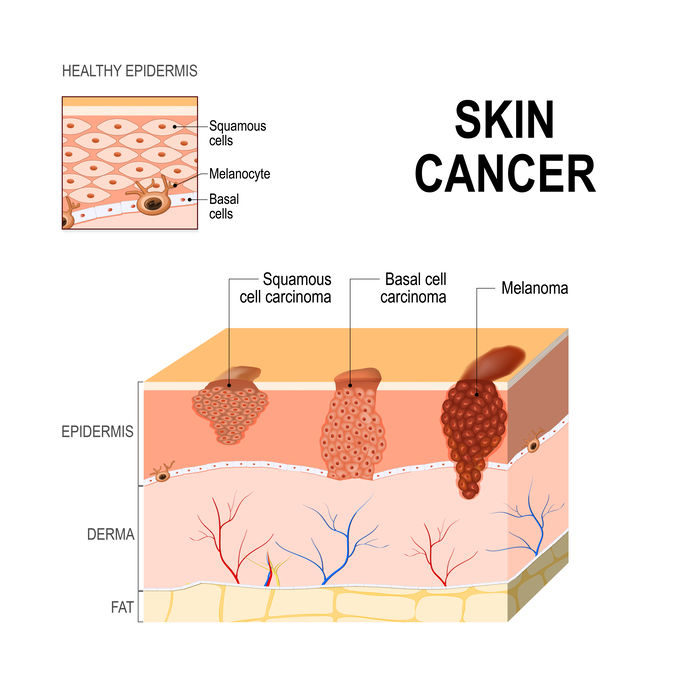
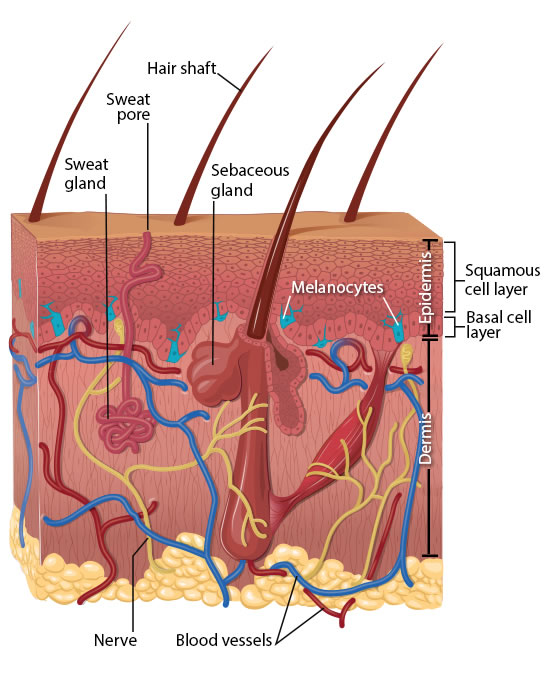
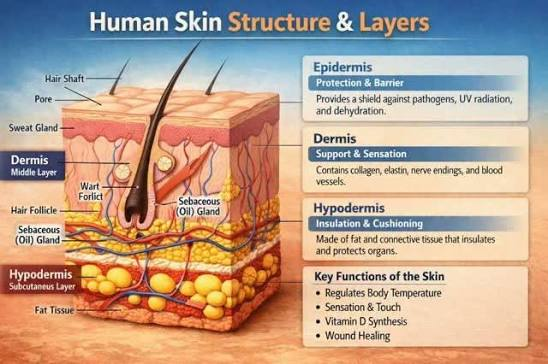
Skin cancer occurs when abnormal skin cells grow uncontrollably due to DNA damage. Most cases result from prolonged exposure to ultraviolet (UV) radiation from sunlight or artificial tanning devices. The skin consists of three primary layers:
- Epidermis
- Dermis
- Hypodermis (subcutaneous tissue)
Different skin cancers originate from different skin cells.
Major Types of Skin Cancer
1. Basal Cell Carcinoma (BCC)
Basal Cell Carcinoma is the most common type of skin cancer.
Characteristics
- Slow-growing
- Rarely spreads to other organs
- Often develops on sun-exposed areas
- Usually appears as a shiny bump or pink patch
Common Symptoms
- Pearly or waxy bump
- Open sore that doesn’t heal
- Scar-like lesion
- Frequent bleeding
Prognosis
Early treatment provides a cure rate above 95%.
2. Squamous Cell Carcinoma (SCC)

Squamous Cell Carcinoma develops from squamous cells in the epidermis.
Characteristics
- Faster growing than BCC
- May spread if untreated
- Common in older adults
Symptoms
- Red scaly patches
- Wart-like growth
- Crusted sore
- Painful skin lesion
3. Melanoma
Melanoma is the most dangerous form of skin cancer because it can spread rapidly to lymph nodes and internal organs.
Characteristics
- Begins in melanocytes
- Highly aggressive
- Requires immediate medical attention
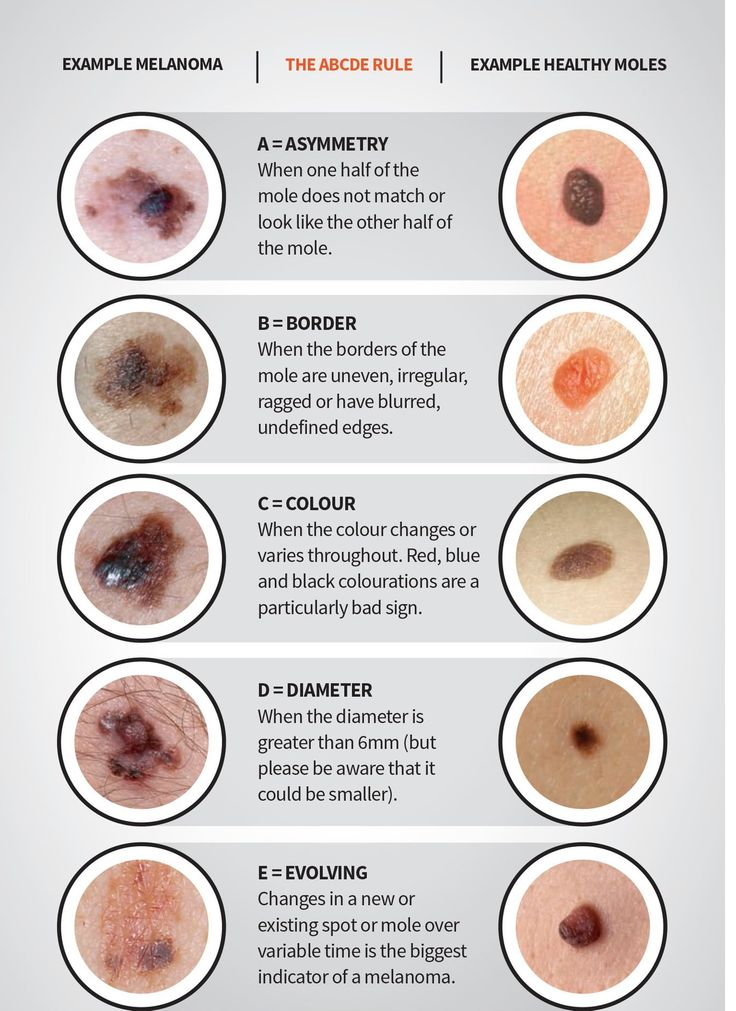
Warning Signs (ABCDE Rule)
- A – Asymmetry
- B – Border irregularity
- C – Color variation
- D – Diameter larger than 6 mm
- E – Evolving shape, color, or size
4. Rare Types
Less common forms include:
- Merkel Cell Carcinoma
- Dermatofibrosarcoma Protuberans
- Sebaceous Carcinoma
- Cutaneous T-cell Lymphoma
- Kaposi Sarcoma
Although rare, these cancers often require specialized treatment.
Causes of Skin Cancer
The primary cause is DNA damage caused by ultraviolet radiation.
Major causes include:
- Excessive sunlight exposure
- Indoor tanning beds
- Repeated sunburns
- Radiation exposure
- Chemical carcinogens
- Genetic mutations
- Weak immune system
WHO emphasizes that UV radiation remains the leading environmental cause of skin cancer worldwide.
Risk Factors
Several factors increase the likelihood of developing skin cancer.
Personal Risk Factors
- Fair skin
- Light-colored eyes
- Blonde or red hair
- Family history
- Personal history of skin cancer
- Large number of moles
- Weakened immune system
Environmental Risk Factors
- Living near the equator
- High-altitude locations
- Outdoor occupations
- Frequent sun exposure
- Tanning salons
Lifestyle Factors
- Poor sun protection habits
- Smoking (especially SCC)
- Lack of regular skin examinations
Signs and Symptoms
Skin cancer may present differently depending on its type. Common symptoms include:
- New mole
- Changing mole
- Persistent sore
- Bleeding lesion
- Itching
- Crusting
- Skin discoloration
- Lump under the skin
- Non-healing ulcer
Early recognition significantly improves treatment success.
How Skin Cancer Is Diagnosed
Doctors use several methods for diagnosis.
Clinical Examination
A dermatologist examines suspicious skin lesions.
Dermoscopy
A specialized magnifying instrument provides a detailed view of skin structures.
Skin Biopsy
The gold standard diagnostic method.
Types include:
- Shave biopsy
- Punch biopsy
- Excisional biopsy
Imaging Tests
For advanced cancers:
- CT scan
- MRI
- PET scan
- Ultrasound
WHO Recommendations for Prevention
The World Health Organization recommends several evidence-based prevention measures.
Protect Yourself from UV Radiation
- Seek shade between 10 AM and 4 PM.
- Wear protective clothing.
- Use broad-spectrum sunscreen with SPF 30 or higher.
- Wear sunglasses with UV protection.
- Wear a wide-brimmed hat.
Avoid Indoor Tanning
WHO strongly discourages tanning beds because they significantly increase melanoma risk, especially in younger individuals.
Promote Public Awareness
WHO encourages:
- Community education
- School awareness programs
- Workplace sun-safety policies
- National skin cancer screening initiatives where appropriate
Latest Advances in Skin Cancer Research
Leading universities continue to develop innovative diagnostic and treatment methods.
Artificial Intelligence (AI)
Researchers at institutions including Stanford University have developed AI systems capable of identifying suspicious skin lesions from images with accuracy approaching that of experienced dermatologists. These tools are intended to support, not replace, clinical evaluation.
Benefits include:
- Faster screening
- Earlier diagnosis
- Improved access in remote areas
- Decision support for clinicians
Precision Medicine
Genetic testing allows physicians to tailor treatments based on tumor-specific mutations.
Advantages include:
- Better treatment response
- Fewer side effects
- Personalized care
- Improved survival for some patients
Immunotherapy
Research from centers such as Johns Hopkins University and other major cancer institutes has demonstrated that immune checkpoint inhibitors can produce durable responses in many patients with advanced melanoma.
Examples include medicines targeting:
- PD-1
- CTLA-4
Targeted Therapy
Patients with specific gene mutations (such as certain BRAF mutations) may benefit from targeted therapies that block cancer growth pathways.
Benefits:
- Rapid tumor shrinkage in eligible patients
- Improved disease control
- Often used in combination with other treatments
Liquid Biopsy Research
Scientists are investigating blood-based tests to detect circulating tumor DNA, which may help monitor treatment response or detect recurrence. These techniques are promising but are not yet standard screening tools for skin cancer.
Treatment Options
Treatment depends on:
- Cancer type
- Stage
- Tumor location
- Patient age
- Overall health
Surgery
The primary treatment for most skin cancers. Common procedures include:
- Surgical excision
- Mohs micrographic surgery
- Curettage and electrodesiccation
Mohs surgery is particularly effective for preserving healthy tissue while achieving high cure rates in selected cases.
Radiation Therapy
Used when surgery is not appropriate or after surgery in selected patients.
Benefits include:
- Non-invasive treatment
- Good local control for some cancers
- Suitable for certain older patients
Chemotherapy
Less commonly used than in the past for melanoma but may still have a role in selected situations.
Immunotherapy
Now considered a standard treatment for many advanced melanoma cases and some other advanced skin cancers.
Targeted Therapy
Appropriate for patients whose tumors have actionable genetic mutations identified through testing.
Photodynamic Therapy
Useful for selected superficial skin cancers and precancerous lesions.
Importance of Early Detection
Early diagnosis dramatically improves outcomes. Benefits include:
- Higher survival rates
- Less extensive surgery
- Lower treatment costs
- Better cosmetic outcomes
- Reduced risk of metastasis
Monthly skin self-examinations and regular dermatology visits for high-risk individuals can aid early detection.
Self-Examination Checklist
Examine your skin once each month.
Look for:
- New moles
- Color changes
- Size changes
- Bleeding
- Itching
- Pain
- Non-healing sores
- Dark streaks under nails
- Lesions on the scalp, palms, soles, and between toes
Report suspicious findings promptly to a healthcare professional.
Global Burden of Skin Cancer
According to WHO, skin cancer continues to represent a substantial global health burden, with incidence increasing in many regions due to aging populations, cumulative UV exposure, and changes in sun-related behaviors. Public health efforts increasingly emphasize prevention, education, and early diagnosis to reduce avoidable disease.
Healthcare systems are investing in:
- Digital dermatology
- Telemedicine
- AI-assisted screening
- Public education campaigns
- Preventive healthcare programs
Lifestyle Tips to Reduce Risk
Healthy daily habits can significantly lower skin cancer risk.
- Apply sunscreen every day when UV exposure is expected.
- Reapply sunscreen every two hours, or after swimming or sweating.
- Wear UV-protective clothing.
- Avoid tanning beds.
- Stay hydrated during outdoor activities.
- Check the daily UV Index.
- Encourage children to practice sun-safe habits.
- Eat a balanced diet rich in fruits and vegetables.
- Avoid smoking.
- Schedule regular skin examinations if you are at increased risk.
Challenges and Future Directions
Despite remarkable progress, challenges remain.
These include:
- Limited access to dermatology services in some regions
- Delayed diagnosis
- Health disparities
- Rising incidence rates
- Cost of advanced therapies
Future research focuses on:
- More accurate AI screening tools
- Improved cancer vaccines
- Enhanced immunotherapies
- Better biomarkers for early detection
- Personalized prevention strategies
- Expanded teledermatology services
Collaboration among researchers, clinicians, governments, and international organizations will be essential to improve prevention and treatment worldwide.
Conclusion
Skin cancer is one of the most preventable and treatable forms of cancer when identified early. The evidence consistently shows that reducing exposure to ultraviolet radiation, avoiding indoor tanning, recognizing suspicious skin changes, and seeking timely medical evaluation can substantially lower the risk of severe disease. Recommendations from the World Health Organization emphasize sun protection, public awareness, and early detection as the foundation of effective prevention.
Research from leading institutions such as Harvard Medical School, Stanford University, Johns Hopkins University, the University of Oxford, and the Mayo Clinic continues to advance the field through innovations in artificial intelligence, immunotherapy, targeted therapy, and precision medicine. These developments are improving diagnosis and expanding treatment options, particularly for advanced melanoma.
Ultimately, combating skin cancer requires a shared commitment from individuals, healthcare professionals, educators, policymakers, and researchers. By combining healthy lifestyle practices, regular skin examinations, evidence-based medical care, and ongoing scientific innovation, the global burden of skin cancer can be reduced, leading to better health outcomes and improved quality of life for millions of people.
1. What is skin cancer, and how does it develop?
Skin cancer is a disease in which abnormal skin cells grow uncontrollably due to damage to their DNA. The most common cause of this damage is prolonged exposure to ultraviolet (UV) radiation from the sun or artificial tanning beds. When healthy skin cells are repeatedly exposed to UV rays, their DNA can become damaged. Normally, the body repairs this damage, but over time the repair mechanisms may fail, allowing abnormal cells to multiply and form tumors.
There are three main types of skin cancer: basal cell carcinoma (BCC), squamous cell carcinoma (SCC), and melanoma. While BCC and SCC are usually less aggressive, melanoma can spread rapidly to other parts of the body if not detected early. Early diagnosis and treatment significantly improve outcomes and reduce the risk of complications.
2. What are the early warning signs of skin cancer?
Early detection is one of the most effective ways to improve treatment success. The warning signs vary depending on the type of skin cancer, but common symptoms include a new mole, changes in an existing mole, a sore that does not heal, persistent itching, bleeding, or a scaly patch that continues to grow.
For melanoma, doctors recommend following the ABCDE rule:
- A – Asymmetry: One half of the mole does not match the other.
- B – Border: The edges are irregular or poorly defined.
- C – Color: Multiple shades of brown, black, red, white, or blue are present.
- D – Diameter: The mole is larger than 6 millimeters, although smaller melanomas can occur.
- E – Evolving: The lesion changes in size, shape, color, or symptoms over time.
Anyone noticing these changes should seek prompt evaluation by a healthcare professional.
3. Who is most at risk of developing skin cancer?
Skin cancer can affect anyone, but some individuals are at higher risk. People with fair skin, light-colored eyes, blonde or red hair, or a tendency to sunburn easily have less protective melanin and are more susceptible to UV damage.
Other risk factors include:
- A family history of skin cancer.
- A personal history of previous skin cancer.
- Frequent sunburns, especially during childhood.
- Extensive outdoor work or recreational sun exposure.
- Use of indoor tanning beds.
- A weakened immune system.
- Having many moles or atypical (dysplastic) moles.
- Increasing age, although melanoma can also occur in younger adults.
Understanding these risk factors helps individuals adopt appropriate preventive measures.
4. Can skin cancer be prevented?
Yes. According to the World Health Organization (WHO), many cases of skin cancer are preventable through effective sun protection and healthy lifestyle choices. Prevention strategies include:
- Applying a broad-spectrum sunscreen with SPF 30 or higher.
- Wearing protective clothing, sunglasses, and wide-brimmed hats.
- Seeking shade during peak UV hours (typically 10 a.m. to 4 p.m.).
- Avoiding tanning beds and sunlamps.
- Checking the daily UV Index before spending extended time outdoors.
- Performing regular skin self-examinations.
- Scheduling routine dermatology checkups if you are at increased risk.
Consistent sun protection throughout life helps reduce cumulative UV damage and lowers the risk of skin cancer.
5. How is skin cancer diagnosed?
Diagnosis begins with a thorough skin examination performed by a dermatologist or other qualified healthcare professional. If a suspicious lesion is identified, the physician may use a dermatoscope to examine it more closely.
The definitive diagnosis is made through a skin biopsy, where a small sample or the entire lesion is removed and examined under a microscope by a pathologist. Depending on the suspected cancer type and stage, additional imaging tests such as CT scans, MRI, PET scans, or ultrasound may be used to determine whether the cancer has spread.
Accurate diagnosis allows healthcare providers to develop the most effective treatment plan for each patient.
6. What are the treatment options for skin cancer?
Treatment depends on the cancer type, size, location, stage, and the patient’s overall health.
Common treatment options include:
- Surgical excision to remove the cancer along with a margin of healthy tissue.
- Mohs micrographic surgery, which removes cancer layer by layer while preserving healthy skin.
- Radiation therapy for selected patients who cannot undergo surgery.
- Cryotherapy for certain superficial lesions.
- Photodynamic therapy for some early skin cancers and precancerous conditions.
- Immunotherapy, especially for advanced melanoma.
- Targeted therapy for cancers with specific genetic mutations, such as certain BRAF-mutated melanomas.
Advances in cancer treatment have significantly improved survival rates, particularly for advanced melanoma.
7. Is melanoma more dangerous than other skin cancers?
Yes. Melanoma is considered the most serious form of skin cancer because it develops from melanocytes, the pigment-producing cells of the skin—and has a greater ability to spread (metastasize) to lymph nodes and other organs.
However, when melanoma is detected early and removed before it spreads, the prognosis is generally very good. This highlights the importance of regular skin examinations and prompt evaluation of suspicious skin changes. Although basal cell carcinoma and squamous cell carcinoma are usually less aggressive, they can still cause significant tissue damage and, in some cases, spread if left untreated.
8. What role does artificial intelligence (AI) play in skin cancer detection?
Artificial intelligence is becoming an important tool in dermatology. Researchers at leading universities, including Stanford University, have developed AI systems capable of analyzing skin lesion images and identifying suspicious features with high accuracy in research settings.
Potential benefits of AI include:
- Earlier identification of suspicious lesions.
- Faster screening in primary care settings.
- Improved access to dermatology services in underserved areas.
- Support for healthcare professionals in making diagnostic decisions.
AI is designed to assist clinicians rather than replace them. A confirmed diagnosis still requires evaluation by a qualified healthcare professional and, when appropriate, a biopsy.
9. How often should people check their skin for signs of cancer?
Most experts recommend performing a full-body skin self-examination once a month. During the examination, check all areas of the body, including the scalp, face, ears, neck, back, palms, soles, between the toes, and under the fingernails and toenails.
Individuals at higher risk, such as those with fair skin, many moles, a family history of melanoma, or previous skin cancer, should also have regular professional skin examinations as advised by their dermatologist. If you notice a new growth, changes in an existing mole, or a sore that does not heal within several weeks, seek medical evaluation without delay.
10. What are the latest advances in skin cancer research and future treatments?
Research into skin cancer is advancing rapidly. Scientists from institutions such as Harvard Medical School, Johns Hopkins University, the University of Oxford, and the Mayo Clinic are investigating new ways to improve diagnosis, treatment, and prevention. Promising areas of research include:
- AI-assisted skin cancer screening and diagnostic support.
- Personalized medicine based on genetic profiling of tumors.
- More effective immunotherapy combinations.
- Targeted therapies for additional genetic mutations.
- Blood-based biomarkers and liquid biopsy techniques to monitor treatment response and detect recurrence.
- Cancer vaccines designed to stimulate the immune system against melanoma.
- Teledermatology platforms that expand access to expert care in remote communities.
These innovations have the potential to improve early detection, personalize treatment, reduce side effects, and enhance long-term survival. Continued collaboration among researchers, healthcare providers, and public health organizations is expected to drive further progress in reducing the global burden of skin cancer.