
Meta Title: Breast Cancer: Symptoms, Causes, Treatment & Prevention Guide (2026) Meta Description: Learn about breast cancer symptoms, causes, risk factors, diagnosis, treatment options, prevention tips, and the latest advances in this comprehensive guide.
Table of Contents
- What Is Breast Cancer?
- Why Breast Cancer Awareness Matters
- How the Breast Works
- Types of Breast Cancer
- Breast Cancer Symptoms
- Causes of Breast Cancer
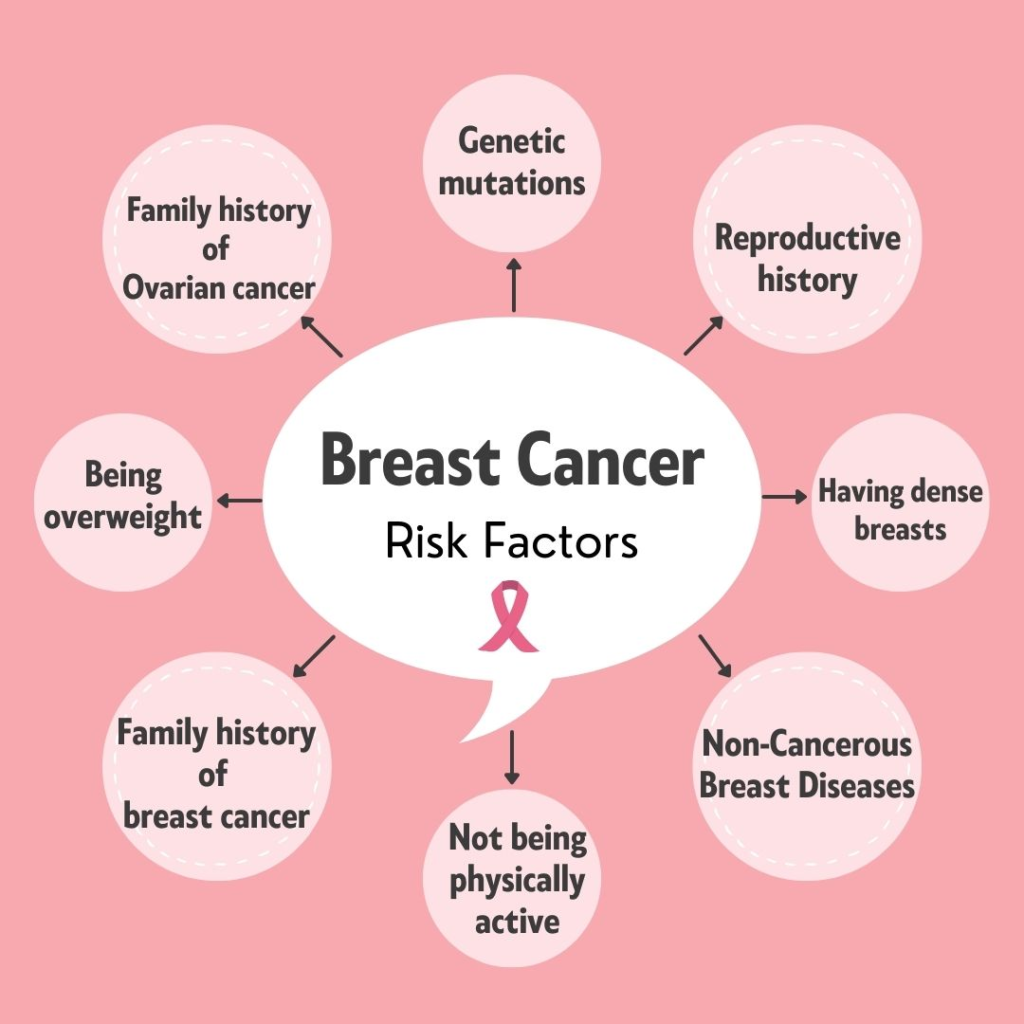
- Risk Factors
- Who Is Most at Risk?
- Importance of Early Detection
What Is Breast Cancer?
Breast cancer is one of the most common cancers worldwide and occurs when cells in the breast grow uncontrollably. Normally, healthy cells grow, divide, and die in a regulated way. Cancer develops when genetic changes disrupt this process, allowing abnormal cells to multiply and form a tumor.
Most breast cancers begin in the milk ducts (ductal cancers) or the milk-producing lobules (lobular cancers). Some remain confined to their place of origin, while others can invade nearby tissue or spread to other parts of the body (metastasis). Breast cancer is much more common in women; men can also develop breast cancer, though it is relatively rare.
Advances in screening, diagnosis, surgery, radiation therapy, and medicines have significantly improved survival rates in many countries. Early detection remains one of the most important factors in successful treatment.
Why Breast Cancer Awareness Matters
Breast cancer awareness is more than recognizing a disease it encourages early detection, timely medical care, and informed health awareness. Awareness helps people:
- Recognize possible warning signs.
- Understand individual risk factors.
- Learn about screening recommendations.
- Seek medical advice promptly when changes occur.
- Support loved ones affected by breast cancer.
- Reduce stigma surrounding cancer diagnosis and treatment.
Many breast cancers are found before symptoms appear through recommended screening, depending on a person’s age, risk factors, and local medical guidelines.
Understanding the Breast
Knowing the basic structure of the breast helps explain where cancer can begin. The breast contains:
- Milk ducts
- Lobules (milk-producing glands)
- Fatty tissue
- Connective tissue
- Blood vessels
- Lymphatic vessels
- Lymph nodes
Cancer can develop in different tissues, although most cases begin in the ducts or lobules.
Types of Breast Cancer
Breast cancer is not a single disease. It includes several types with different characteristics and treatments.
1. Ductal Carcinoma In Situ (DCIS)
DCIS is a non-invasive form of breast cancer. Abnormal cells are found inside the milk ducts but have not spread into surrounding breast tissue. Treatment is important because some cases may progress if left untreated.
2. Invasive Ductal Carcinoma (IDC)
IDC is the most common type of breast cancer. It starts in the milk ducts and grows into nearby breast tissue. It may also spread to lymph nodes or other organs if not treated.
3. Invasive Lobular Carcinoma (ILC)
ILC begins in the milk-producing lobules and can spread into surrounding tissues. It sometimes grows in a pattern that makes it more difficult to detect on physical examination.
4. Triple-Negative Breast Cancer (TNBC)
This subtype does not express estrogen receptors, progesterone receptors, or excess HER2 protein. It often requires different treatment approaches because hormone therapies and HER2-targeted therapies are generally not effective.
5. HER2-Positive Breast Cancer
HER2-positive breast cancers produce high levels of the HER2 protein, which promotes cancer cell growth. Several targeted medicines have improved outcomes for many patients with this subtype.
6. Inflammatory Breast Cancer
Inflammatory breast cancer is an uncommon but aggressive form that may cause redness, swelling, warmth, and thickening of the skin rather than a distinct lump. Prompt medical evaluation is essential.
7. Paget Disease of the Breast
This rare condition affects the nipple and surrounding skin, often causing itching, scaling, redness, or discharge. It may occur alongside other breast cancers.
Common Symptoms of Breast Cancer
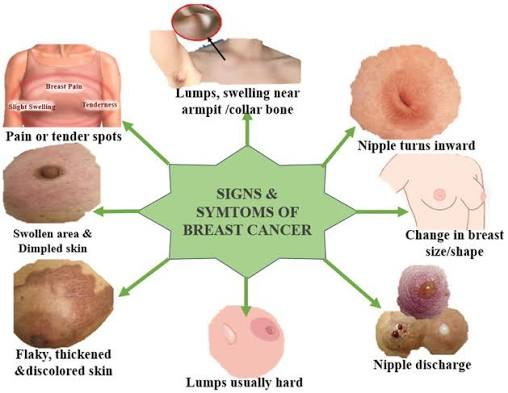
Breast cancer does not always cause symptoms, especially in its early stages. Possible signs include:
- A new lump in the breast or underarm
- Thickening or swelling of part of the breast
- Changes in breast size or shape
- Dimpling or puckering of the skin
- Redness or flaky skin on the breast or nipple
- A nipple turning inward unexpectedly
- Nipple discharge (particularly if bloody)
- Persistent breast pain (although pain alone is usually not a sign of cancer)
- Swollen lymph nodes near the collarbone or underarm
These symptoms can also be caused by non-cancerous conditions. Only a healthcare professional can determine the cause.
Causes of Breast Cancer
Breast cancer develops because of changes (mutations) in DNA that affect how breast cells grow and divide. In most cases, no single cause can be identified. Scientists believe breast cancer results from a combination of:
- Genetic factors
- Hormonal influences
- Aging
- Environmental exposures
- Lifestyle factors
- Random DNA changes that occur over time
Most people diagnosed with breast cancer do not have a strong family history, highlighting that many cases occur without a clearly identifiable inherited cause.
Risk Factors
Some factors increase the likelihood of developing breast cancer, although having one or more risk factors does not mean someone will develop the disease.
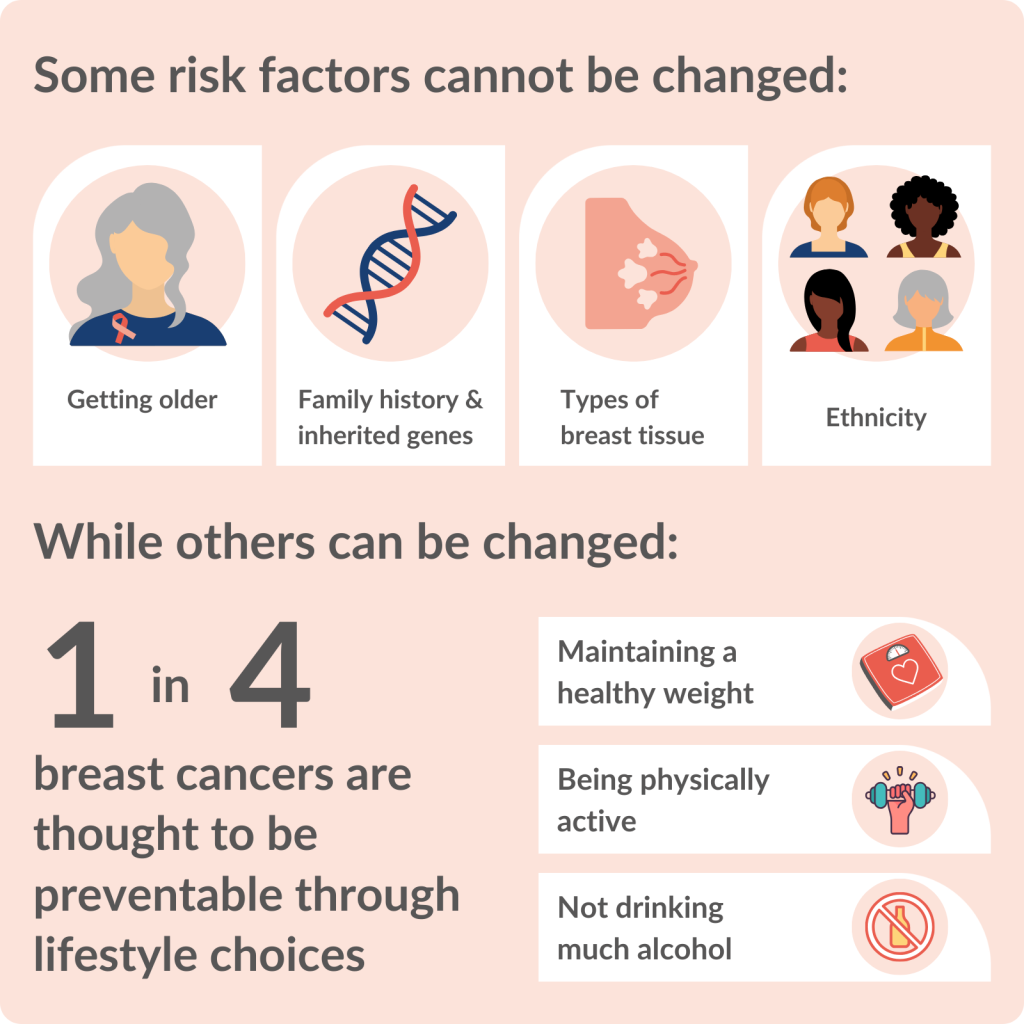
Non-modifiable Risk Factors
- Increasing age
- Female sex
- Inherited gene mutations (such as BRCA1 and BRCA2)
- Family history of breast or ovarian cancer
- Personal history of breast cancer
- Dense breast tissue
- Early onset of menstruation
- Late menopause
Modifiable Risk Factors
- Excess body weight after menopause
- Alcohol consumption
- Physical inactivity
- Long-term use of certain hormone therapies (for some individuals)
- Smoking (associated with increased health risks, including several cancers)
Who Is Most at Risk?
Anyone can develop breast cancer, but risk is generally higher among:
- Women over age 50
- People with inherited BRCA1 or BRCA2 mutations
- Individuals with a strong family history
- People who have previously had breast cancer
- Those with certain inherited cancer syndromes
Having risk factors does not mean breast cancer is inevitable, and many people diagnosed have no known major risk factors.
Why Early Detection Is Important
Early detection increases the likelihood that breast cancer can be treated successfully. Potential benefits include:
- More treatment options
- Smaller tumors at diagnosis
- Lower chance of cancer spreading
- Better long-term outcomes for many patients
- Improved quality of life during and after treatment
People should discuss screening recommendations with their healthcare provider based on their age, family history, and personal risk factors.
Coming in Part 2
The next section will cover:
- Breast Cancer Diagnosis
- Breast Cancer Stages
- Screening Tests
- Mammograms
- Breast Ultrasound
- MRI
- Biopsy
- Modern Treatment Options
- Surgery
- Radiation Therapy
- Chemotherapy
- Hormone Therapy
- Targeted Therapy
- Immunotherapy
- Latest Advances in Breast Cancer Research
Breast Cancer Diagnosis
Early and accurate diagnosis is essential for planning the most appropriate treatment. If a person notices changes in the breast or an abnormality is found during screening, healthcare providers may recommend one or more diagnostic tests.
Common Diagnostic Tests
1. Clinical Breast Examination (CBE)
A healthcare professional examines the breasts and nearby lymph nodes to check for:
- Lumps
- Swelling
- Skin changes
- Nipple changes
- Enlarged lymph nodes
A clinical breast exam alone cannot diagnose breast cancer but can help determine whether further testing is needed.
2. Mammogram
A mammogram is a specialized X-ray of the breast and remains one of the most effective screening tools for detecting breast cancer early. A mammogram can identify:
- Small tumors
- Tiny calcium deposits (microcalcifications)
- Changes before symptoms develop
Depending on age, risk factors, and local medical guidelines, regular mammograms may be recommended for some individuals. People at higher risk may need earlier or more frequent screening after discussing their situation with a healthcare provider.
3. Breast Ultrasound
Ultrasound uses sound waves to create images of breast tissue.
It helps doctors determine whether a lump is:
- Fluid-filled (such as a cyst)
- Solid
- Suspicious and requiring further evaluation
Ultrasound is often used alongside mammography rather than replacing it.
4. Breast MRI
Magnetic Resonance Imaging (MRI) provides detailed images of breast tissue. MRI may be recommended for:
- People with a high inherited risk
- Evaluating the extent of certain cancers
- Investigating unclear findings from other imaging tests
MRI is not routinely used for everyone but can be valuable in specific situations.
5. Breast Biopsy
A biopsy is the only way to confirm whether a suspicious area is cancerous. During a biopsy, a small sample of tissue is removed and examined by a pathologist. Common biopsy methods include:
- Fine-needle aspiration
- Core needle biopsy
- Vacuum-assisted biopsy
- Surgical biopsy
The pathology report provides important information about the type of cancer and guides treatment decisions.
Understanding Breast Cancer Stages
After diagnosis, doctors determine the stage of breast cancer. Staging describes how large the cancer is and whether it has spread.
Stage 0
- Cancer cells are confined to the ducts or lobules.
- Also called non-invasive breast cancer (such as DCIS).
Stage I
- Small invasive tumor.
- Limited or no spread to lymph nodes.
Stage II
- Larger tumor and/or limited spread to nearby lymph nodes.
Stage III
- More extensive spread to nearby tissues or multiple lymph nodes.
- Sometimes called locally advanced breast cancer.
Stage IV
- Cancer has spread to distant organs such as the bones, liver, lungs, or brain.
- Also known as metastatic breast cancer. Breast cancer is generally not considered curable, modern treatments can often help control the disease, relieve symptoms, and improve quality of life.
How Breast Cancer Is Treated
Treatment depends on several factors, including:
- Cancer type
- Stage
- Tumor size
- Hormone receptor status
- HER2 status
- Overall health
- Personal preferences
Many people receive a combination of treatments.
Surgery
Surgery is one of the main treatments for breast cancer.
Lumpectomy
A lumpectomy removes:
- The tumor
- A small amount of surrounding healthy tissue
The rest of the breast is preserved whenever appropriate.
Mastectomy
A mastectomy removes all or most breast tissue. Different types include:
- Total mastectomy
- Skin-sparing mastectomy
- Nipple-sparing mastectomy
The most suitable approach depends on the individual’s diagnosis and medical recommendations.
Lymph Node Surgery
Doctors may also examine lymph nodes to determine whether cancer has spread. Procedures include:
- Sentinel lymph node biopsy
- Axillary lymph node dissection
Radiation Therapy
Radiation therapy uses high-energy beams to destroy cancer cells that may remain after surgery. Radiation is commonly recommended:
- After lumpectomy
- For some people after mastectomy
- To treat cancer that has spread to specific areas
Modern radiation techniques are increasingly precise, helping reduce exposure to healthy tissues.
Chemotherapy
Chemotherapy uses medicines that circulate throughout the body to destroy rapidly growing cancer cells. It may be given:
- Before surgery (neoadjuvant chemotherapy)
- After surgery (adjuvant chemotherapy)
- For advanced or metastatic breast cancer
Possible side effects vary depending on the medicines used and may include fatigue, nausea, hair loss, or lowered blood cell counts. Many side effects can be managed with supportive care.
Hormone Therapy
Some breast cancers depend on hormones such as estrogen or progesterone to grow. Hormone therapy helps reduce the chance of recurrence by blocking or lowering hormone activity. Examples include:
- Tamoxifen
- Aromatase inhibitors
- Ovarian suppression in selected patients
These treatments are generally used for hormone receptor-positive breast cancers.
Targeted Therapy
Targeted therapies are designed to attack specific molecules involved in cancer growth. For HER2-positive breast cancer, targeted medicines have significantly improved outcomes for many patients. Treatment plans are individualized based on laboratory testing of the tumor.
Immunotherapy
Immunotherapy helps the body’s immune system recognize and fight cancer cells. Some people with specific types of breast cancer, such as certain cases of triple-negative breast cancer, may be candidates for immunotherapy, depending on tumor characteristics and clinical guidelines.
Precision Medicine
One of the most significant advances in cancer care is precision medicine. Instead of treating all breast cancers the same way, doctors increasingly use:
- Genetic testing of tumors
- Biomarker testing
- Molecular profiling
These tools help identify treatments that are more likely to be effective for an individual’s specific cancer.
Advances in Breast Cancer Research
Research continues to improve prevention, diagnosis, and treatment. Current areas of progress include:
Artificial Intelligence (AI)
AI is being studied to assist radiologists in interpreting mammograms and identifying suspicious findings. These tools are intended to support not replace clinical expertise.
Personalized Treatment
Doctors increasingly tailor treatment plans based on the biology of the tumor rather than relying only on its size or stage.
New Targeted Medicines
Researchers continue to develop therapies aimed at specific genetic or molecular changes in breast cancer cells.
Improved Imaging
Advances in imaging technology may help detect some cancers earlier and provide more detailed information for treatment planning.
Clinical Trials
Clinical trials evaluate new medicines, treatment combinations, and care strategies. Participation may be an option for some patients and should be discussed with a healthcare team.
Living During Breast Cancer Treatment
Treatment affects each person differently, but many strategies can help support well-being:
- Eat a balanced, nutritious diet.
- Stay physically active as recommended by your healthcare provider.
- Get adequate rest.
- Take medicines exactly as prescribed.
- Attend all follow-up appointments.
- Ask about rehabilitation or supportive care services if needed.
- Seek emotional support from trusted family, friends, counselors, or support groups.
Good communication with the healthcare team is essential. Patients should report new symptoms or side effects promptly so that appropriate adjustments to treatment or supportive care can be made.
Breast Cancer Be Prevented?
- Can Breast Cancer Be Prevented?
- Healthy Lifestyle Tips
- Breast Cancer Survival Rates (explained carefully)
- Recovery After Treatment
- Emotional Well-being
- Nutrition During Recovery
- Frequently Asked Questions
- Myths vs. Facts
- Conclusion
- Call to Action
- SEO-friendly summary
Can Breast Cancer Be Prevented?
There is no guaranteed way to prevent breast cancer, but certain healthy lifestyle choices may help lower the risk for some people. Because breast cancer develops due to a combination of genetic, hormonal, environmental, and lifestyle factors, prevention focuses on reducing modifiable risks and supporting overall health.
Healthy Habits That May Help Reduce Risk
- Maintain a healthy body weight.
- Engage in regular physical activity.
- Eat a balanced diet rich in fruits, vegetables, whole grains, and lean protein.
- Limit or avoid alcohol consumption.
- Avoid smoking and exposure to tobacco smoke.
- Discuss the risks and benefits of hormone therapy with your healthcare provider if applicable.
- Follow recommended breast cancer screening guidelines based on your age and personal risk factors.
People with a strong family history or inherited genetic mutations (such as certain BRCA1 or BRCA2 mutations) should discuss personalized risk assessment and management options with their healthcare team.
Importance of Breast Cancer Screening
Regular screening can help detect some breast cancers before symptoms appear, potentially allowing treatment to begin earlier. Common screening methods include:
- Mammography
- Clinical breast examination (where recommended)
- Breast MRI for selected high-risk individuals
The appropriate screening schedule varies depending on age, health history, and local medical guidelines. A healthcare professional can help determine the most suitable plan.
Living Well After Breast Cancer Treatment
Completing treatment is an important milestone, but recovery often continues long afterward. Follow-up care helps monitor overall health, manage side effects, and check for signs of recurrence or new health concerns. Many survivors gradually return to work, family life, hobbies, and physical activity, though recovery timelines differ from person to person.
Healthy Recovery Tips
- Attend all scheduled follow-up appointments.
- Take prescribed medications as directed.
- Stay physically active according to medical advice.
- Eat a nutritious diet.
- Get adequate sleep.
- Report any new or persistent symptoms promptly.
- Build a strong support network of family, friends, or support groups.
Emotional Well-Being During Recovery
A breast cancer diagnosis can affect emotional health as much as physical health. Feelings of fear, uncertainty, sadness, or anxiety are common during and after treatment. Helpful coping strategies include:
- Talking openly with trusted family members or friends.
- Joining a cancer support group.
- Seeking counseling from qualified mental health professionals if needed.
- Practicing stress-reduction techniques such as mindfulness, relaxation exercises, or meditation.
- Staying engaged in meaningful activities and hobbies when possible.
Seeking emotional support is a normal and important part of recovery.
Nutrition During and After Treatment
Good nutrition supports overall health and recovery, although dietary needs vary from person to person. A balanced eating pattern may include:
- Colorful fruits and vegetables.
- Whole grains.
- Lean protein sources.
- Healthy fats such as nuts, seeds, and olive oil.
- Adequate water intake.
Before taking dietary supplements or making major dietary changes, discuss them with your healthcare team, especially during active treatment.
Common Myths and Facts About Breast Cancer
Myth: Only women get breast cancer.
Fact: Although much less common, men can also develop breast cancer.
Myth: Every breast lump is cancer.
Fact: Many breast lumps are caused by non-cancerous conditions such as cysts or fibroadenomas. Any new lump should be evaluated by a healthcare professional.
Myth: Breast pain always means cancer.
Fact: Breast pain is common and is often related to non-cancerous causes. Persistent or concerning symptoms should still be assessed by a clinician.
Myth: Having no family history means you cannot get breast cancer.
Fact: Many people diagnosed with breast cancer do not have a known family history of the disease.
Myth: A healthy lifestyle guarantees you will never develop breast cancer.
Fact: Healthy habits may reduce risk but cannot completely prevent breast cancer.
FAQs.
1. What is the first sign of breast cancer?
The first sign varies. Some people notice a new breast lump, while others have changes detected through screening before any symptoms develop.
2. Can breast cancer occur at a young age?
Yes. Although the risk generally increases with age, breast cancer can occur in younger adults. Those with a strong family history or inherited genetic risk should discuss personalized screening with their healthcare provider.
3. Is breast cancer curable?
Outcomes depend on many factors, including the type and stage of cancer. Many early-stage breast cancers can be treated successfully, while advanced disease is often managed with treatments that aim to control the cancer and improve quality of life.
4. Does breast cancer always cause a lump?
No. Some breast cancers are found through screening before a lump is noticeable. Others may present with skin changes, nipple changes, or swelling.
5. Can men develop breast cancer?
Yes. Although rare, men can develop breast cancer and should seek medical evaluation if they notice changes in the breast or nipple area.
Key Takeaways
- Breast cancer is one of the most common cancers worldwide.
- Early detection through appropriate screening can improve treatment options for many people.
- There are several types of breast cancer, each requiring individualized care.
- Treatment may include surgery, radiation therapy, chemotherapy, hormone therapy, targeted therapy, immunotherapy, or combinations of these approaches.
- Healthy lifestyle habits support overall well-being but cannot completely eliminate the risk of breast cancer.
- Ongoing research continues to improve diagnosis and treatment.
Conclusion
Breast cancer remains a major global health challenge, but advances in medical research have led to better screening methods, more personalized treatments, and improved outcomes for many patients. Understanding the symptoms, recognizing personal risk factors, participating in appropriate screening, and seeking prompt medical evaluation for concerning changes are all important steps toward better breast health.
If you notice a new breast lump, changes in the skin or nipple, or any persistent breast symptoms, schedule an appointment with a qualified healthcare professional. While many breast changes are not cancer, early evaluation helps ensure the most appropriate care.
Staying informed through reliable medical sources and maintaining regular communication with your healthcare team can empower you to make informed decisions about your health.
References for Further Reading
For the most current, evidence-based information, consult trusted organizations such as:
- World Health Organization (WHO)
- American Cancer Society (ACS)
- National Cancer Institute (NCI)
- National Comprehensive Cancer Network (NCCN)
- Your country’s public health authority or cancer organization
1. What Is Breast Cancer?
Breast cancer is a disease in which abnormal cells in the breast grow uncontrollably and form a tumor. It usually begins in the milk ducts or the milk-producing lobules, but it can spread to nearby tissues and, in some cases, to other parts of the body. Breast cancer is one of the most commonly diagnosed cancers worldwide, affecting millions of people each year. Although it is far more common in women, men can also develop breast cancer. Early detection through screening and prompt medical care has significantly improved treatment outcomes. Learning about breast cancer symptoms, risk factors, and available treatment options can help people make informed healthcare decisions and seek medical advice if they notice any concerning changes.
2. What Are the Early Signs and Symptoms of Breast Cancer?
The early signs of breast cancer can vary from person to person. Some individuals have no symptoms at all, and the cancer is detected through routine screening. Common warning signs include a new lump in the breast or underarm, swelling in part of the breast, changes in breast shape or size, skin dimpling that resembles an orange peel, nipple discharge (especially if bloody), redness or thickening of the breast skin, and a nipple that turns inward unexpectedly. Persistent pain is less common but should still be evaluated if it does not improve. These symptoms can also be caused by non-cancerous conditions, so it is important to consult a qualified healthcare professional for an accurate diagnosis.
3. What Causes Breast Cancer?
Breast cancer develops when DNA changes, known as mutations, occur in breast cells, causing them to grow and divide uncontrollably. In many cases, the exact cause cannot be identified. Scientists believe breast cancer results from a combination of inherited genetic factors, aging, hormonal influences, environmental exposures, and lifestyle factors. Certain inherited gene mutations, such as BRCA1 and BRCA2, increase the risk, but most people diagnosed with breast cancer do not have these mutations or a strong family history. Understanding risk factors can help guide screening and prevention strategies, but having one or more risk factors does not mean someone will definitely develop breast cancer.
4. Who Is Most at Risk of Developing Breast Cancer?
Anyone can develop breast cancer, but certain factors increase the likelihood of developing the disease. Risk generally increases with age, particularly after age 50. Other risk factors include a personal or family history of breast or ovarian cancer, inherited genetic mutations, dense breast tissue, early menstruation, late menopause, obesity after menopause, alcohol consumption, and physical inactivity. Men are at much lower risk than women but can still develop breast cancer. It is important to remember that many people diagnosed with breast cancer have no obvious risk factors, while many people with several risk factors never develop the disease.
5. How Is Breast Cancer Diagnosed?
Breast cancer is diagnosed through a combination of physical examinations, imaging tests, and laboratory analysis. If a healthcare provider suspects breast cancer, they may recommend a mammogram, breast ultrasound, breast MRI, or other imaging studies. If an abnormal area is found, a biopsy is usually performed to remove a small sample of tissue for microscopic examination. A biopsy is the only way to confirm whether cancer is present. Additional tests may determine the cancer’s stage, hormone receptor status, HER2 status, and other characteristics that help doctors choose the most appropriate treatment plan for each patient.
6. What Treatment Options Are Available for Breast Cancer?
Breast cancer treatment depends on the type, stage, and biological characteristics of the cancer, as well as the patient’s overall health and preferences. Treatment may include surgery to remove the tumor, radiation therapy, chemotherapy, hormone therapy, targeted therapy, immunotherapy, or a combination of these approaches. Advances in precision medicine have made it possible to personalize treatment based on the specific features of the cancer. Many patients also receive supportive care to help manage side effects and maintain quality of life during treatment. The treatment plan should always be developed in consultation with a multidisciplinary healthcare team.
7. Can Breast Cancer Be Prevented?
Although there is no guaranteed way to prevent breast cancer, healthy lifestyle choices may help reduce the risk for some people. Maintaining a healthy weight, exercising regularly, eating a balanced diet rich in fruits and vegetables, limiting alcohol intake, avoiding tobacco, and following recommended screening guidelines are all positive steps. Individuals with a strong family history or inherited genetic mutations may benefit from personalized risk assessment and preventive strategies discussed with their healthcare provider. Prevention focuses on reducing modifiable risks while recognizing that breast cancer can still occur even in people with healthy lifestyles.
8. What Is the Survival Rate for Breast Cancer?
Breast cancer survival depends on many factors, including the stage at diagnosis, cancer subtype, overall health, and access to appropriate treatment. In general, people diagnosed with localized breast cancer before it has spread often have much better outcomes than those diagnosed at later stages. Advances in screening, surgery, radiation therapy, targeted therapies, and systemic treatments have improved survival in many countries. It is important to understand that survival statistics describe groups of people and cannot predict a person’s outcome. A healthcare provider can offer more personalized information based on the specific diagnosis.
9. What Lifestyle Changes Can Support Recovery After Breast Cancer?
Recovery after breast cancer treatment involves caring for both physical and emotional health. Many healthcare providers encourage regular physical activity, balanced nutrition, maintaining a healthy weight, getting enough sleep, and attending follow-up appointments. Emotional well-being is equally important, and many people benefit from counseling, support groups, mindfulness practices, or stress-management techniques. Avoiding smoking and limiting alcohol intake can also contribute to overall health. Every recovery journey is unique, and patients should discuss exercise, diet, and long-term health plans with their healthcare team to ensure they are appropriate for their individual situation.
10. When Should Someone See a Doctor About Breast Changes?
You should seek medical evaluation if you notice a new breast lump, persistent swelling, changes in breast size or shape, nipple discharge (particularly if bloody), skin dimpling, redness that does not improve, or changes involving the nipple such as inversion or scaling. While many breast changes are caused by non-cancerous conditions, only a qualified healthcare professional can determine the cause. Do not ignore symptoms because they are painless or because there is no family history of breast cancer. Early medical assessment can lead to earlier diagnosis when treatment options may be broader, and outcomes may be more favorable.