
Manage Mental Health in War Conditions
Manage Mental Health in War Conditions: A Practical, Research-Based Guide for Emotional Survival and Resilience. War and crises deeply affect mental health. Fear, uncertainty, and loss can
lead to anxiety, depression, and trauma. Managing mental health is essential for
survival and stability. Understanding Mental Health in Crisis: Continuous stress keeps the brain in fight-or-flight mode, increasing emotional instability and exhaustion. Awareness helps manage reactions effectively.
War is one of the most challenging experiences a person can face. Whether someone is living in a conflict zone, has been displaced from their home, has family members involved in the fighting, or is constantly exposed to distressing news, the psychological impact can be profound. Fear, uncertainty, grief, and stress are common reactions during times of conflict.
While no guide can eliminate the emotional toll of war, there are practical, evidence-informed strategies that can help people protect their mental well-being, build resilience, and support one another. Understanding how to manage mental health during war conditions is not only important for personal well-being but also for maintaining the strength needed to make thoughtful decisions and care for loved ones.
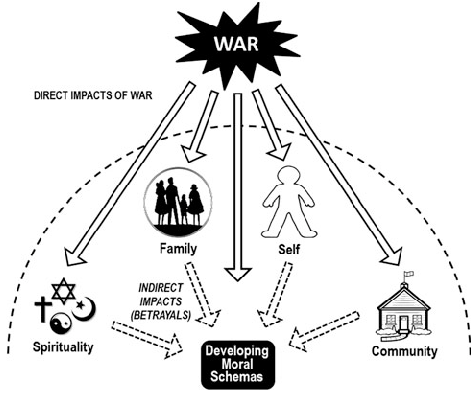
The first step is recognizing that emotional reactions to war are normal. Many people experience anxiety, sadness, anger, difficulty sleeping, irritability, or trouble concentrating. Others may feel emotionally numb or overwhelmed by uncertainty. These responses are common during highly stressful events and do not necessarily mean someone has a mental illness. Acknowledging these feelings instead of suppressing them can make it easier to seek support and use healthy coping strategies.
Maintaining a daily routine can provide a valuable sense of stability when life feels unpredictable. Even in difficult circumstances, simple habits such as waking up at a regular time, eating nutritious meals when available, staying hydrated, engaging in light physical activity if it is safe, and setting aside time for rest can help reduce stress. Small routines create structure, which can support emotional regulation and improve a sense of control during uncertain times.
Limiting exposure to distressing news is another important strategy. Staying informed about safety updates is essential, but continuously watching graphic images or reading alarming reports throughout the day can increase anxiety. Consider checking reliable news sources at scheduled times instead of following constant updates. Avoid sharing unverified information, as rumors and misinformation can create unnecessary panic and confusion.
Social connection is one of the strongest protective factors for mental health during crises. Family members, friends, neighbors, and community groups can provide emotional comfort, practical help, and reassurance. Even when people are physically separated, phone calls, text messages, or online communication can help maintain meaningful relationships. Simply talking with someone who listens without judgment can reduce feelings of isolation and emotional distress.
Children often experience war differently from adults. They may struggle to understand what is happening and express their stress through changes in behavior, sleep problems, clinginess, or difficulty concentrating. Adults can support children by providing age-appropriate explanations, maintaining routines when possible, encouraging play and creative activities, and reassuring them that their feelings are valid.
It is also helpful to limit children’s exposure to graphic news coverage and create opportunities for them to ask questions in a safe and supportive environment. Relaxation techniques can help reduce the body’s stress response. Deep breathing exercises, progressive muscle relaxation, mindfulness, prayer or meditation according to personal beliefs, and gentle stretching can all help lower physical tension. Even five to ten minutes of focused breathing each day may help improve emotional balance and reduce feelings of panic.
These techniques do not remove the reality of war, but they can make stress more manageable. Physical health and mental health are closely connected. When circumstances allow, regular movement such as walking, stretching, or light exercise can improve mood by releasing endorphins. Adequate sleep is equally important, although it may be difficult in conflict settings. Creating a calming bedtime routine, reducing caffeine late in the day, and minimizing screen use before sleep may help improve rest whenever possible.
Acts of kindness and helping others can also strengthen mental well-being. Supporting neighbors, sharing resources, volunteering with trusted organizations, or simply checking in on someone who may be struggling can create a sense of purpose and community. Research on resilience consistently shows that meaningful social contribution can help people cope during adversity while strengthening community bonds.
It is equally important to recognize when professional support may be needed. If someone experiences persistent hopelessness, severe anxiety, panic attacks, recurring nightmares, flashbacks, inability to perform daily tasks, or thoughts of self-harm, seeking help from a qualified mental health professional is strongly recommended whenever it is safely accessible. Many humanitarian organizations, hospitals, and community health services provide psychological support during emergencies, and telehealth options may also be available in some regions.
Technology has become an important tool for mental health support during humanitarian crises. Secure messaging platforms, online counseling, mental health apps based on evidence-informed approaches, and virtual peer support groups can help people access guidance when in-person services are limited. However, users should choose reputable services that protect privacy and rely on qualified professionals or established organizations.
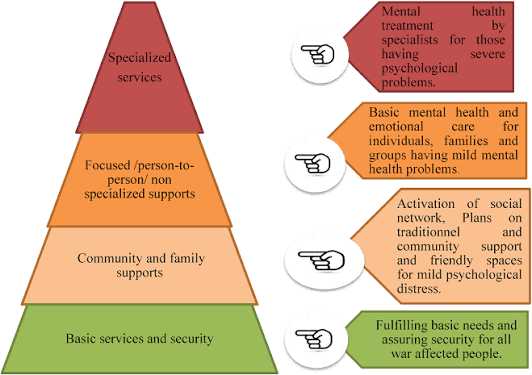
Another effective strategy is focusing on what can be controlled rather than becoming overwhelmed by what cannot. People may not be able to stop the conflict, but they can prepare emergency supplies, follow trusted safety guidance, maintain communication plans with loved ones, keep important documents secure, and continue healthy routines where possible. Concentrating on practical actions often reduces feelings of helplessness and supports psychological resilience.
Nutrition also plays a role in emotional well-being. During emergencies, access to food may be limited, but when choices are available, balanced meals containing protein, whole grains, fruits, vegetables, and adequate water can support both physical and mental health. Excessive alcohol or non-prescribed drug use may temporarily numb emotional pain but can increase anxiety, depression, and health risks over time. Communities recover more effectively when people feel connected and informed.
Local support groups, schools, religious organizations, humanitarian agencies, and neighborhood networks often become essential sources of practical assistance and emotional support. Participating in trusted community activities can reduce loneliness and reinforce hope during prolonged crises. For people who have experienced traumatic events, recovery is often gradual rather than immediate. Some individuals may continue to experience emotional distress long after the conflict has ended. Healing takes time, and there is no single “correct” timeline. Patience, supportive relationships, and professional care when needed can all contribute to long-term recovery.
protecting mental health during war conditions involves a combination of practical safety measures, healthy daily habits, supportive relationships, stress-management techniques, and professional help when necessary. Although war creates extraordinary challenges, many people demonstrate remarkable resilience through mutual support, adaptability, and hope. Taking small, realistic steps each day to care for both physical and emotional well-being can make a meaningful difference.
No one should have to face the psychological effects of conflict alone. Reaching out to trusted family members, friends, community organizations, or qualified mental health professionals is a sign of strength, not weakness. By caring for ourselves and supporting one another, we improve our ability to cope with adversity and contribute to healthier, more resilient communities, even in the most difficult circumstances.
- Create a Sense of Safety
Identify safe spaces, stay with trusted people, and prepare essentials. Small control
improves mental stability. - Focus on What You Can Control
Divide problems into controllable and uncontrollable. Focus energy on manageable
actions to reduce stress. - Use Breathing Techniques
Practice 4-4-4 breathing to calm the nervous system and reduce anxiety. - Stay Connected
Talk to family and friends. Emotional support strengthens resilience. - Maintain Routine
Simple routines bring structure and reduce uncertainty. - Limit News Exposure
Avoid excessive negative news to protect mental health. - Express Emotions
Use journaling, talking, or creative outlets to process feelings. - Ground Yourself
Use the 5-4-3-2-1 method to manage panic and stay present. - Focus on Small Wins
Small achievements build hope and confidence. - Seek Help
Professional support is important when distress becomes overwhelming.
Helping Children
Provide reassurance, routine, and emotional support to children during a crisis.
At the end
Mental strength grows through small actions, connection, and awareness, even in the
hardest times - How can I stay calm during war? Focus on breathing, routine, and staying
connected. - Is anxiety normal in a crisis? Yes, it is a natural response to danger.
- How do I help my children cope? Maintain routine and offer reassurance.
- Can mental health worsen over time? Yes, without support, stress can increase.
- Should I avoid news completely? Limit it, but stay informed from reliable sources.
- What are the signs I need help? Panic, sleeplessness, hopelessness, or harmful
thoughts. - How can I reduce panic quickly? Use breathing and grounding techniques.
- Is it okay to feel fear? Yes, acknowledging emotions is healthy.
- Can routines really help? Yes, they provide structure and stability.
- Where can I get help? Seek local professionals, NGOs, or helplines.
- 10 Frequently Asked Questions (FAQs) About Managing Mental Health in War Conditions
1. How does living in a war zone affect mental health?
Living in a war zone can have a significant impact on mental health because people are exposed to ongoing uncertainty, danger, loss, and disruption. Common emotional responses include fear, anxiety, sadness, anger, grief, and difficulty concentrating. Many individuals also experience sleep disturbances, changes in appetite, or feelings of hopelessness. Children may become withdrawn, have nightmares, or show changes in behavior. While these reactions are normal responses to extraordinary stress, they can become more severe if they continue for a long time. Maintaining supportive relationships, following a routine where possible, and seeking professional help when available can reduce the long-term psychological effects of living in conflict.
2. What are the early signs of stress and trauma during war?
Early signs of stress and trauma may include constant worry, racing thoughts, irritability, frequent crying, fatigue, headaches, muscle tension, difficulty sleeping, nightmares, and feeling overwhelmed. Some people may avoid social interaction or lose interest in activities they once enjoyed. Others may become emotionally numb or find it difficult to make decisions. Recognizing these signs early allows individuals and families to seek support before symptoms become more severe. If these symptoms interfere with daily life for an extended period or worsen over time, consulting a qualified mental health professional is recommended whenever it is safely possible.
3. What are the best ways to stay mentally strong during war conditions?
Maintaining mental strength during war involves focusing on practical actions and healthy habits. Establish a daily routine, eat nutritious food when available, stay hydrated, sleep as well as circumstances allow, and remain physically active if it is safe. Keep in touch with trusted family members and friends, limit exposure to distressing news, and practice relaxation techniques such as deep breathing, mindfulness, or prayer according to your beliefs. Concentrating on small, achievable tasks each day can help restore a sense of control. Remember that asking for emotional support is a sign of resilience, not weakness.
4. How can parents help children cope with war-related stress?
Children often struggle to understand conflict and may express their emotions differently than adults. Parents and caregivers can help by speaking honestly in age-appropriate language, reassuring children that their feelings are normal, and encouraging them to ask questions. Maintaining familiar routines, reading together, playing games, drawing, and allowing children to express themselves creatively can provide comfort. Adults should avoid exposing children to repeated graphic news coverage and should model calm, supportive behavior whenever possible. If a child develops persistent nightmares, severe anxiety, or major behavioral changes, professional support should be sought if it is available.
5. Can limiting news consumption improve mental health during war?
Yes. Staying informed about safety information is important, but constantly following distressing news and graphic images can increase anxiety, fear, and emotional exhaustion. Experts often recommend checking reliable news sources at specific times during the day instead of continuously monitoring updates. Avoid sharing unverified reports or rumors, as misinformation can create unnecessary panic. Balancing news consumption with positive activities such as reading, exercising, connecting with loved ones, or practicing relaxation techniques can support better emotional well-being.
6. What relaxation techniques help reduce anxiety during conflict?
Several simple relaxation techniques can help reduce stress and anxiety. Deep breathing exercises, mindfulness meditation, progressive muscle relaxation, gentle stretching, journaling, and prayer or spiritual reflection may help calm the body’s stress response. Spending a few minutes focusing on slow, controlled breathing can reduce physical tension and improve emotional regulation. These techniques do not remove the reality of war but can make it easier to cope with overwhelming emotions and maintain clearer thinking during stressful situations.
7. When should someone seek professional mental health support?
Professional support should be considered when emotional distress becomes overwhelming or lasts for an extended period. Warning signs include severe anxiety, frequent panic attacks, recurring nightmares, flashbacks, persistent hopelessness, inability to perform daily tasks, or thoughts of self-harm. Qualified psychologists, psychiatrists, counselors, or humanitarian mental health teams can provide assessment and evidence-based treatment. In areas where in-person services are limited, secure telehealth or online counseling may be an option. Seeking help early can improve recovery and reduce the risk of long-term mental health problems.
8. How can communities support mental health during war?
Communities play a vital role in protecting mental well-being during conflict. Neighbors, schools, faith groups, and local organizations can provide emotional support, practical assistance, and reliable information. Community activities such as support groups, educational programs, volunteer efforts, and resource sharing help reduce loneliness and strengthen resilience. Encouraging open conversations about mental health can also reduce stigma and make it easier for people to seek help. Strong social connections often help communities recover more effectively after crises.
9. Can healthy lifestyle habits make a difference during war?
Yes. Although conflict may limit access to resources, healthy habits remain important whenever possible. Eating balanced meals, drinking enough water, getting adequate sleep, and engaging in safe physical activity can improve both physical and mental health. Avoiding excessive alcohol and non-prescribed drug use is also important because these substances may temporarily numb emotions but often worsen anxiety and depression over time. Even small daily habits, such as taking a short walk in a safe area or practicing relaxation exercises, can contribute to greater emotional resilience.
10. Is it possible to recover mentally after experiencing war?
Yes. Many people recover over time, although the process is different for everyone. Recovery often depends on personal circumstances, access to support, physical safety, and the availability of mental health care. Supportive relationships, healthy routines, community connections, and professional treatment when needed can all help people heal from traumatic experiences. Some individuals continue to experience emotional difficulties long after the conflict ends, while others gradually regain a sense of stability. Recovery does not mean forgetting what happened it means learning to live with the experience while rebuilding hope, confidence, and emotional well-being. - What Are the Signs I Need Help?
- Recognizing when you need help is an important step in protecting your mental health during war or other traumatic situations. Warning signs may include ongoing panic attacks, severe anxiety, persistent sleeplessness, frequent nightmares, overwhelming sadness, feelings of hopelessness, difficulty carrying out daily tasks, or withdrawing from family and friends. Some people may experience flashbacks, constant fear, or find it impossible to concentrate. If you have thoughts of harming yourself or others, or feel unable to stay safe, seek immediate support from a trusted person and qualified healthcare or emergency services as soon as it is safely possible. Early support can improve coping and recovery.
fatimaali3rocket@gmail.comhttps://healthandtechnologies.comhttps://healthandtechnologies.com