

Peaceful World
In today’s interconnected world, a peaceful world is more than the absence of war. It is the presence of justice, equality, mutual respect, and opportunities for every individual to live with dignity. While governments, international organizations, and humanitarian agencies continue to work toward a peaceful world and conflict resolution, young people have become one of the most powerful forces for building of Peaceful World sustainable peace. More than 1.8 billion people worldwide are between the ages of 10 and 24, making youth the largest generation in history.
This demographic represents not only the future but also the present. Young people are already shaping societies through education, innovation, community service, entrepreneurship, and digital communication. As the world faces ongoing conflicts in regions such as Ukraine, Gaza, Sudan, Myanmar, and parts of Africa and the Middle East, alongside challenges like climate change, misinformation, cyber threats, and economic inequality, youth leadership has become increasingly important. Their creativity, resilience, and willingness to embrace diversity position them as key contributors to lasting peace.
Why Youth Are Essential to Peacebuilding
Peacebuilding involves preventing conflict, resolving disputes peacefully, promoting reconciliation, and strengthening communities after violence. Young people contribute to every stage of this process.
Youth Bring Fresh Perspectives
Unlike previous generations, today’s youth have grown up in a digital world where cultures, ideas, and information are more accessible than ever. Young leaders often:
- Encourage dialogue across different communities
- Promote inclusion regardless of religion, ethnicity, or nationality
- Challenge discrimination and prejudice
- Support innovative solutions to complex social problems
- Inspire civic participation among their peers
Their openness to collaboration allows them to bridge divides that often seem impossible.
Young People Understand Modern Challenges
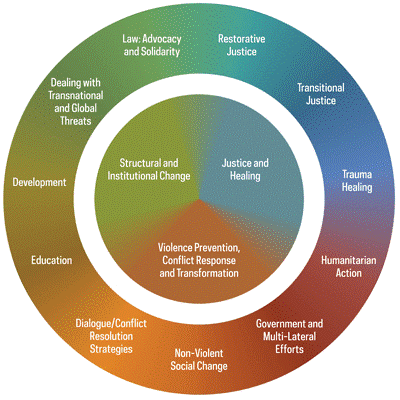
Today’s conflicts extend beyond traditional warfare. Modern peacebuilding must address issues such as:
- Online misinformation
- Cybersecurity threats
- Climate-related displacement
- Economic inequality
- Mental health challenges
- Digital radicalization
- Political polarization
Because young people actively engage with digital technology, they understand these emerging challenges and are well-positioned to develop practical responses.
The Current Global Peace Landscape
Recent years have highlighted the urgent need for stronger peacebuilding efforts.
Ongoing Armed Conflicts
Several conflicts continue to affect millions of civilians. Examples include:
- The war in Ukraine
- The conflict in Gaza and Israel
- Civil war in Sudan
- Political instability in Myanmar
- Violence in parts of the Sahel region
- Humanitarian crises affecting refugees worldwide
These situations have displaced millions of people, disrupted education, damaged healthcare systems, and created long-term economic challenges. Young people living in these regions often experience interrupted schooling, unemployment, trauma, and limited opportunities. Yet many continue to organize community initiatives, educational programs, and humanitarian support.
Rising Global Tensions
Beyond traditional warfare, nations increasingly face:
- Cyberattacks
- Disinformation campaigns
- Artificial intelligence security concerns
- Competition over natural resources
- Climate-related migration
- Economic instability
These challenges require cooperation across borders rather than confrontation.
Key Roles Youth Play in Peacebuilding
1. Promoting Dialogue
Constructive dialogue remains one of the most effective tools for preventing conflict. Youth leaders organize:
- Community discussions
- School peace clubs
- Interfaith meetings
- Cultural exchange programs
- Online educational campaigns
These initiatives reduce misunderstandings before they escalate into violence.
2. Fighting Hate Speech
Social media can spread harmful misinformation rapidly. Young digital leaders help by:
- Promoting verified information
- Encouraging respectful discussions
- Reporting harmful content
- Educating peers about media literacy
- Countering extremist narratives
Responsible online behavior contributes to healthier public conversations.
3. Supporting Education
Education strengthens peace by encouraging critical thinking and empathy. Youth volunteers often:
- Tutor disadvantaged children
- Organize literacy campaigns
- Raise funds for schools
- Develop educational resources
- Promote equal access to learning
Education helps reduce inequality and creates opportunities that discourage violence.
4. Building Inclusive Communities
Peace depends on inclusion. Young leaders frequently organize:
- Sports events
- Community clean-up projects
- Cultural festivals
- Volunteer programs
- Youth leadership workshops
These activities strengthen trust among diverse groups.
Technology and Youth Peacebuilding
Technology has transformed how peace initiatives operate.
Positive Contributions
Digital platforms allow young people to:
- Connect across borders
- Share successful peace initiatives
- Raise humanitarian awareness
- Coordinate volunteer activities
- Launch fundraising campaigns
Online collaboration enables rapid responses during humanitarian emergencies.
Challenges
Technology also presents risks. These include:
- Online radicalization
- Fake news
- Cyberbullying
- Privacy concerns
- Artificial intelligence misuse
Digital literacy has become an essential peacebuilding skill.
Climate Change and Peace
Climate change increasingly affects global stability. Environmental pressures contribute to:
- Water shortages
- Food insecurity
- Population displacement
- Competition for resources
- Increased social tensions
Young climate activists recognize that environmental sustainability and peace are closely connected. Their work includes:
- Tree planting
- Renewable energy advocacy
- Environmental education
- Disaster preparedness
- Sustainable agriculture projects
Protecting natural resources helps reduce future conflict.
Women’s Leadership in Youth Peacebuilding
Young women play a vital role in creating peaceful communities. Many lead initiatives focused on:
- Education
- Healthcare
- Community mediation
- Human rights
- Gender equality
- Economic empowerment
Research consistently shows that inclusive peace processes are more likely to produce lasting agreements. Encouraging equal participation strengthens communities.
The Importance of Mental Health
Conflict affects emotional well-being as much as physical safety. Young peacebuilders increasingly support:
- Trauma recovery
- Counseling services
- Peer support groups
- Mental health awareness
- Safe community spaces
Healing psychological wounds helps societies recover after violence.
Skills Every Young Peacebuilder Needs
Successful youth leaders develop a wide range of abilities. Important skills include:
- Communication
- Active listening
- Critical thinking
- Emotional intelligence
- Cultural awareness
- Leadership
- Problem-solving
- Digital literacy
- Conflict resolution
- Teamwork
These competencies prepare young people to address both local and global challenges.
How Governments and Communities Can Support Youth
Young leaders require meaningful opportunities to contribute. Support can include:
Better Education
Schools should teach:
- Peace education
- Human rights
- Civic responsibility
- Digital citizenship
- Global awareness
Youth Participation
Governments should include young people in:
- Local councils
- Community planning
- National consultations
- International conferences
- Peace negotiations where appropriate
Meaningful participation increases trust and encourages long-term engagement.
Employment Opportunities
Economic stability reduces the risk of social unrest. Investment in:
- Entrepreneurship
- Innovation
- Skills training
- Digital education
- Green jobs
helps create hopeful futures for young people.
Successful Youth Peacebuilding Examples
Across the world, young people are already making a difference. Examples include:
- Youth volunteers supporting displaced families.
- Student organizations promoting dialogue between different communities.
- Young entrepreneurs creating employment opportunities.
- Environmental groups reducing resource-related tensions.
- Digital creators combating misinformation with verified educational content.
- Youth-led humanitarian fundraising campaigns supporting conflict-affected populations.
These efforts demonstrate that leadership does not depend on age.
Challenges Facing Young Peacebuilders
Despite their contributions, young leaders face many obstacles. Common challenges include:
- Limited funding
- Political instability
- Security risks
- Limited representation
- Digital harassment
- Economic hardship
- Educational disruptions
- Social discrimination
Addressing these barriers requires cooperation among governments, civil society, educators, and international organizations.
The Future of Peacebuilding
The future of peace depends on preparing younger generations to lead responsibly. Emerging trends include:
- Artificial intelligence supporting humanitarian work
- Greater international youth collaboration
- Expanded online education
- Climate resilience initiatives
- Digital diplomacy
- Community-led innovation
As technology evolves, ethical leadership will become even more important. Young people have the potential to transform conflict prevention through creativity, cooperation, and responsible innovation.
Practical Ways Young People Can Promote Peace
Every individual can contribute to peace through everyday actions.Some practical ideas include:
- Listen respectfully to different viewpoints.
- Reject hate speech and discrimination.
- Volunteer in community organizations.
- Promote verified information online.
- Support environmental protection.
- Participate in civic activities.
- Encourage inclusive dialogue.
- Help vulnerable community members.
- Continue learning about different cultures.
- Practice empathy in daily interactions.
Small actions, when multiplied across communities, create meaningful change.
Why are young people important in peacebuilding?
Young people bring creativity, energy, digital skills, and innovative thinking. Their participation strengthens dialogue, inclusion, and long-term conflict prevention.
How does education contribute to peace?
Education develops critical thinking, empathy, and respect for diversity while reducing the conditions that often contribute to conflict.
What challenges do youth peacebuilders face?
They often encounter limited funding, political barriers, security concerns, unemployment, misinformation, and unequal access to decision-making.
Can technology help promote peace?
Yes. Technology enables global collaboration, education, humanitarian coordination, and awareness campaigns. However, it also requires responsible use to prevent misinformation and online extremism.
1. What does youth peacebuilding mean?
Youth peacebuilding refers to the active involvement of young people in preventing conflict, promoting dialogue, resolving disputes peacefully, and helping communities recover after violence or social unrest. Rather than being seen only as beneficiaries of peace initiatives, young people are increasingly recognized as leaders, innovators, and decision-makers who contribute to building more inclusive and resilient societies.
Peacebuilding activities can take many forms. Young people organize community projects, volunteer during humanitarian crises, promote education, advocate for human rights, combat misinformation online, and encourage cultural understanding. In conflict-affected regions, many youth-led organizations also provide psychosocial support, educational opportunities, and livelihood programs for vulnerable populations. International frameworks, including the United Nations Security Council Resolution 2250 on Youth, Peace, and Security, acknowledge that young people are essential partners in creating lasting peace. Their creativity, digital skills, and ability to connect across cultures make them valuable contributors to local, national, and global peacebuilding efforts.
2. Why are young people considered important leaders in peacebuilding?
Young people represent one of the largest population groups in the world, making their participation crucial for sustainable peace. They bring fresh perspectives, innovative ideas, and the energy needed to address complex social challenges.
Unlike previous generations, today’s youth have grown up in an interconnected digital world. They can quickly organize campaigns, share information, collaborate internationally, and mobilize support for humanitarian causes through technology. Young leaders also understand the concerns of their peers, making them effective communicators and advocates for peaceful solutions. By engaging in education, entrepreneurship, volunteer work, and civic participation, they help reduce social divisions and encourage cooperation among diverse communities. When youth are included in decision-making processes, peace initiatives often become more inclusive, community-focused, and responsive to emerging challenges.
3. How do young people contribute to conflict prevention?
Conflict prevention begins long before violence occurs, and young people play a vital role in reducing tensions within communities. They often promote dialogue, encourage understanding between different groups, and organize activities that strengthen trust.
Youth-led initiatives may include school peace clubs, intercultural exchange programs, sports events, neighborhood projects, and awareness campaigns against discrimination and hate speech. These activities help build relationships among people from different backgrounds and reduce the likelihood of conflict. Young people also promote media literacy by encouraging critical thinking and responsible use of social media, helping communities identify misinformation that could inflame tensions. Their ability to connect with others through both offline and digital platforms makes them effective agents of prevention.
4. What role does education play in youth peacebuilding?
Education is one of the strongest foundations for sustainable peace because it equips young people with knowledge, critical thinking skills, empathy, and respect for diversity. Peace education teaches students how to resolve disagreements through dialogue rather than violence. It also encourages understanding of human rights, democratic values, cultural diversity, and global citizenship.
Beyond classrooms, educational opportunities improve employment prospects and reduce inequality, which can lower the risk of social unrest. Access to quality education also empowers young people to participate confidently in community development and leadership. Investing in education enables future generations to become informed citizens capable of solving problems peacefully.
5. How does social media influence youth peacebuilding?
Social media has become a powerful tool for both promoting peace and spreading conflict. When used responsibly, it allows young people to raise awareness about humanitarian issues, organize volunteer campaigns, share educational resources, and connect with individuals from different countries. Youth-led digital campaigns often encourage tolerance, challenge stereotypes, and amplify the voices of marginalized communities. Online platforms also make it easier to coordinate emergency relief efforts during crises.
However, social media can also spread misinformation, hate speech, and extremist content. This is why digital literacy has become an important peacebuilding skill. Young people who verify information, encourage respectful conversations, and report harmful content contribute to healthier online communities.
6. What challenges do young peacebuilders face today?
Despite their contributions, many young peacebuilders encounter significant obstacles. Limited financial resources often make it difficult to sustain community projects. In some regions, political instability or security concerns restrict civic participation. Young leaders may also face discrimination because of their age, limited representation in decision-making processes, or lack of access to quality education and employment opportunities. Digital harassment and misinformation campaigns can further discourage participation.
Addressing these barriers requires governments, educational institutions, civil society organizations, and international partners to provide meaningful support, mentorship, funding, and opportunities for youth leadership.
7. How does climate change affect peacebuilding efforts?
Climate change has become an important factor influencing global peace and security. Rising temperatures, water shortages, food insecurity, and natural disasters can increase competition over limited resources, contributing to social tensions and displacement. Young people have been at the forefront of climate action by promoting environmental conservation, renewable energy, sustainable agriculture, and disaster preparedness. Their efforts help communities become more resilient to environmental challenges. By protecting natural resources and encouraging sustainable development, youth contribute to reducing future risks that may lead to conflict.
8. Can technology help young people promote peace?
Technology offers numerous opportunities for youth peacebuilding. Digital communication allows young leaders to collaborate across borders, organize educational webinars, conduct awareness campaigns, and support humanitarian responses. Artificial intelligence, mapping tools, and data analysis also assist organizations in monitoring humanitarian needs and improving emergency responses.
However, technology must be used responsibly. Ethical digital practices, cybersecurity awareness, and critical evaluation of online information are essential for ensuring that technological innovation supports peaceful development rather than creating new risks.
9. Why is diversity important in peacebuilding?
Peace thrives when people respect and appreciate differences in culture, religion, ethnicity, language, and traditions. Diversity encourages broader perspectives and promotes collaboration among communities. Young people often lead intercultural initiatives that celebrate inclusion through educational exchanges, community events, volunteer projects, and dialogue programs. These experiences reduce prejudice and strengthen mutual understanding. Inclusive societies are generally better equipped to resolve disagreements peacefully and create opportunities for all members to participate equally in development.
10. What skills should young peacebuilders develop?
Effective peacebuilding requires a combination of personal, social, and leadership skills. Communication, active listening, empathy, negotiation, teamwork, and critical thinking are among the most valuable abilities. Digital literacy has also become increasingly important, enabling young people to identify misinformation, communicate responsibly online, and organize virtual initiatives. Leadership, emotional intelligence, adaptability, and cultural awareness further help young peacebuilders manage diverse perspectives and solve complex community challenges constructively.
11. How do humanitarian crises affect young people?
Humanitarian crises caused by armed conflict, displacement, or natural disasters often have severe consequences for young people. Education may be interrupted, healthcare services may become limited, and employment opportunities may decline. Many youth also experience emotional stress, trauma, and uncertainty about their future. Despite these challenges, young people frequently volunteer in relief efforts, organize educational activities for displaced children, and support local recovery initiatives. Their resilience demonstrates that even during difficult circumstances, youth can make meaningful contributions toward rebuilding communities.
12. What is the role of governments in supporting youth peacebuilding?
Governments play an essential role by creating policies that encourage youth participation in civic life and peace initiatives. Investment in education, employment, healthcare, and leadership programs provides young people with opportunities to contribute positively to society. Governments can also establish youth advisory councils, support community organizations, and include young representatives in discussions related to peace, development, and public policy. Meaningful participation strengthens trust between institutions and younger generations while improving long-term social stability.
13. How can schools encourage peace among students?
Schools are ideal environments for teaching peaceful values and encouraging respectful relationships. Educators can introduce conflict resolution programs, peer mediation initiatives, cultural exchange activities, and lessons on human rights and global citizenship. Extracurricular activities such as debate clubs, volunteer projects, sports, and student leadership organizations also help students develop teamwork, empathy, and communication skills. By fostering inclusive learning environments, schools prepare young people to become responsible citizens who value cooperation over conflict.
14. What are some real-world examples of youth peacebuilding?
Around the world, young people lead projects that promote dialogue, education, humanitarian assistance, environmental protection, and community development. Student organizations organize intercultural events, youth volunteers support displaced families, and young entrepreneurs create employment opportunities that strengthen local economies.
Many young digital creators also combat misinformation by sharing reliable educational content and encouraging respectful online discussions. Environmental groups led by youth contribute to peace by protecting natural resources and promoting climate resilience. These examples demonstrate that peacebuilding is not limited to formal negotiations; it also happens through everyday actions that strengthen communities.
15. How can every young person contribute to building peace?
Every young person can promote peace through daily actions. Respecting others, listening to different opinions, rejecting discrimination, volunteering in community projects, and sharing accurate information online are practical ways to create positive change. Supporting education, protecting the environment, participating in civic activities, and helping vulnerable members of society also strengthen community resilience. Small acts of kindness, empathy, and cooperation often inspire others to do the same.
Peacebuilding does not always require large-scale initiatives. Consistent positive actions by individuals, families, schools, and communities collectively contribute to a safer, more inclusive, and more peaceful world. As today’s global challenges continue to evolve, empowering young people to lead with integrity, compassion, and innovation remains one of the most effective investments in a sustainable future.
The challenges facing today’s world, from armed conflicts and humanitarian crises to climate change, misinformation, and economic inequality, demonstrate that peace cannot be achieved through governments alone. It requires the active participation of communities, institutions, and especially young people.

Youth possess the creativity, determination, and adaptability needed to address both traditional and emerging threats to peace. By promoting dialogue, embracing diversity, supporting education, encouraging responsible technology use, and advocating for environmental sustainability, they are already shaping more resilient and inclusive societies.
Although obstacles remain, investing in youth leadership is an investment in global stability. Empowering young people with education, opportunities, and a voice in decision-making enables them to become effective peacebuilders today—not just leaders of tomorrow. In a rapidly changing world, their ideas and actions offer hope that cooperation, understanding, and shared responsibility can help build a more peaceful future for everyone.
fatimaali3rocket@gmail.comhttps://healthandtechnologies.comhttp://healthandtechnologies.com