
Understanding Dengue Virus: Symptoms, Recovery Time, Best Treatment, Prevention 3126
Dengue Virus: Symptoms, Recovery Time, Best Treatment, Prevention 3126: Dengue fever is one of the world’s fastest-growing mosquito-borne viral diseases, affecting millions of people every year. According to the World Health Organization (WHO), the dengue virus has become a major public health challenge in tropical and subtropical regions, with cases increasing significantly over recent decades. As climate change, urbanization, and international travel continue to expand the habitat of disease-carrying mosquitoes, dengue infections are being reported in more countries than ever before.
Many people search online for answers to important questions such as: What are the symptoms of dengue? How long does dengue recovery take? What is the best treatment for dengue fever? Can dengue be prevented? Understanding these aspects can help individuals recognize the disease early and seek appropriate medical care.
This comprehensive guide explores the latest information on dengue virus infection, symptoms, recovery stages, treatment options, and prevention strategies based on current WHO guidance and established medical research.
What Is Dengue Virus?
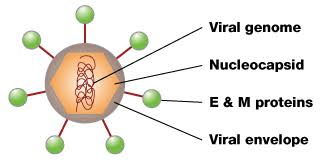
Dengue is a viral infection caused by the dengue virus (DENV), which belongs to the Flavivirus family. There are four closely related dengue virus serotypes:
- DENV-1
- DENV-2
- DENV-3
- DENV-4
A person infected with one serotype develops long-term immunity to that specific type but not to the other three. This means an individual can be infected with dengue multiple times during their lifetime. The virus is primarily transmitted through the bite of infected female mosquitoes and, to a lesser extent, these mosquitoes typically bite during daylight hours, especially in the early morning and late afternoon.
How Dengue Spreads
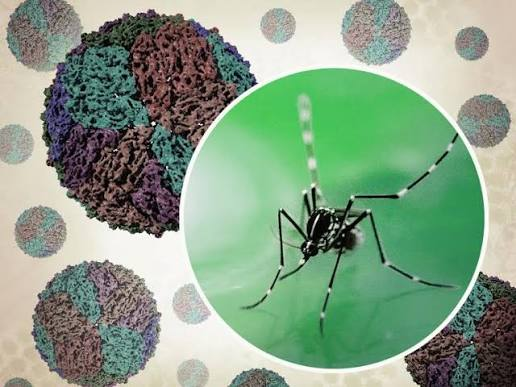
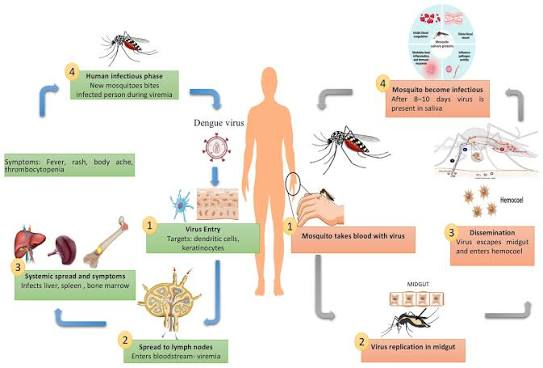
Dengue transmission follows a simple cycle:
- A mosquito bites a person infected with the dengue virus.
- The virus multiplies inside the mosquito.
- The infected mosquito bites another person.
- The virus enters the new host’s bloodstream.
Unlike many infectious diseases, dengue does not usually spread directly from person to person through casual contact. Risk factors include:
- Living in tropical or subtropical regions
- Poor mosquito control measures
- Standing water near homes
- Dense urban populations
- Frequent travel to dengue-endemic areas
Early Symptoms of Dengue Fever
Dengue symptoms typically appear 4 to 10 days after a mosquito bite. Many infections may be mild or even asymptomatic, but others can cause significant illness. Common early symptoms include:
High Fever
A sudden fever reaching 104°F (40°C) is often the first noticeable symptom.
Severe Headache
Patients frequently report intense headaches, particularly behind the eyes.
Eye Pain
Pain during eye movement is a classic sign often associated with dengue infection.
Muscle and Joint Pain
Dengue has historically been nicknamed “breakbone fever” because of the severe muscle and joint discomfort it can cause.
Extreme Fatigue
Profound weakness and exhaustion are common even during the early stages.
Nausea and Vomiting
Digestive symptoms may accompany fever and body aches.
Skin Rash
A rash can develop several days after symptoms begin and may spread across the body.
Warning Signs of Severe Dengue
While most people recover fully, some develop severe dengue, a potentially life-threatening condition. WHO highlights several warning signs that usually appear after the fever begins to subside:
- Severe abdominal pain
- Persistent vomiting
- Rapid breathing
- Bleeding gums
- Nosebleeds
- Blood in stool or vomit
- Extreme fatigue
- Restlessness
- Enlarged liver
- Sudden drop in blood pressure
These symptoms require immediate medical attention.
Stages of Dengue Infection
Understanding the progression of dengue helps patients and caregivers monitor recovery effectively.
1. Febrile Phase (Days 1-7)
This phase is characterized by:
- High fever
- Headache
- Body pain
- Rash
- Weakness
Most patients seek medical care during this stage.
2. Critical Phase (Days 3-7)
This is often the most dangerous period.
As fever declines, complications can occur, including:
- Plasma leakage
- Internal bleeding
- Organ impairment
- Shock
Careful monitoring is essential during this phase.
3. Recovery Phase (Days 7-14)
Fluid levels stabilize, and patients begin to improve. Signs of recovery include:
- Return of appetite
- Increased energy
- Improved hydration
- Rising platelet counts
How Long Does It Take to Recover from Dengue?
One of the most frequently searched questions online is:
“How long does dengue recovery take?”
Recovery time varies depending on disease severity, age, immune response, and underlying health conditions.
Mild Dengue
Most patients recover within:
1 to 2 weeks
Symptoms such as fever usually disappear within a week.
Moderate Dengue
Recovery may require:
2 to 4 weeks
Fatigue and weakness often persist even after the infection has cleared.
Severe Dengue
Recovery can take:
Several weeks to months
Patients who require hospitalization or intensive care often need extended rehabilitation.
Persistent Post-Dengue Fatigue
Research has shown that some individuals continue experiencing:
- Weakness
- Reduced stamina
- Brain fog
- Muscle aches
for weeks after infection. This prolonged recovery is increasingly recognized in medical literature and should not be ignored.
Dengue Diagnosis
Healthcare providers use several methods to confirm dengue infection.
Clinical Evaluation
Doctors assess symptoms and travel history.
Laboratory Tests
Common diagnostic tests include:
- NS1 antigen test
- PCR testing
- IgM antibody testing
- IgG antibody testing
Early diagnosis allows proper monitoring and reduces the risk of complications.
Dengue Treatment: What Works?
Currently, there is no specific antiviral medication that cures dengue virus infection. Treatment focuses on symptom management and preventing complications.
Hydration Is Critical
WHO emphasizes adequate fluid intake as one of the most important aspects of dengue care. Patients should consume:
- Water
- Oral rehydration solutions
- Coconut water
- Clear soups
- Electrolyte-containing fluids
Proper hydration helps prevent shock and supports recovery.
Fever and Pain Management
Acetaminophen (paracetamol) is generally recommended for fever and discomfort. Patients should avoid medications that may increase bleeding risk unless advised by a healthcare professional.
Rest and Recovery
Physical activity should be minimized during the acute illness. Adequate rest supports immune function and healing.
Hospital Treatment for Severe Dengue
Patients with warning signs may require hospitalization. Medical care can include:
Intravenous Fluids
IV fluids help maintain blood volume and circulation.
Blood Monitoring
Doctors monitor:
- Platelet counts
- Hematocrit levels
- Liver function
- Kidney function
Emergency Care
In severe cases, treatment may involve:
- Blood transfusions
- Intensive care monitoring
- Organ support therapies
Prompt intervention significantly improves survival rates.
Can Increasing Platelets Cure Dengue?
A common misconception is that platelet count alone determines recovery. Medical experts emphasize that:
- Platelet levels are important.
- Overall clinical condition matters more.
- Plasma leakage and bleeding risk require close monitoring.
No scientifically proven food instantly increases platelets or cures dengue. However, maintaining proper nutrition supports overall recovery.
Best Foods During Dengue Recovery
Nutrition plays a valuable role in healing.
Recommended Foods
- Fresh fruits
- Papaya
- Citrus fruits
- Bananas
- Vegetables
- Lean proteins
- Rice
- Soups
- Yogurt
Fluids
- Water
- Oral rehydration solutions
- Fresh juices
- Clear broths
Foods to Limit
- Alcohol
- Excessively processed foods
- Sugary beverages
- Greasy meals
A balanced diet helps restore energy and support immune function.
Dengue Prevention: The Most Effective Solution
Since there is no universal cure, prevention remains the strongest defense against dengue.
Eliminate Mosquito Breeding Sites
Mosquitoes breed in standing water. Regularly empty:
- Buckets
- Flower pots
- Tires
- Water containers
- Bird baths
- Use Mosquito Repellents
- Apply approved insect repellents according to product instructions.
- Wear Protective Clothing
- Long sleeves and long pants reduce mosquito bites.
- Install Window Screens
- Physical barriers help keep mosquitoes out of homes.
- Community Mosquito Control
- Public health efforts are essential for reducing mosquito populations.
Dengue Vaccines: Latest Developments
Recent years have seen significant progress in dengue vaccine research. WHO recognizes certain dengue vaccines for use under specific conditions and within approved national immunization programs? Vaccination strategies vary depending on:
- Age group
- Previous dengue exposure
- Local disease burden
- National health policies
People should consult local healthcare authorities regarding vaccine availability and eligibility. Ongoing research continues to improve vaccine effectiveness and safety.
Global Impact of Dengue
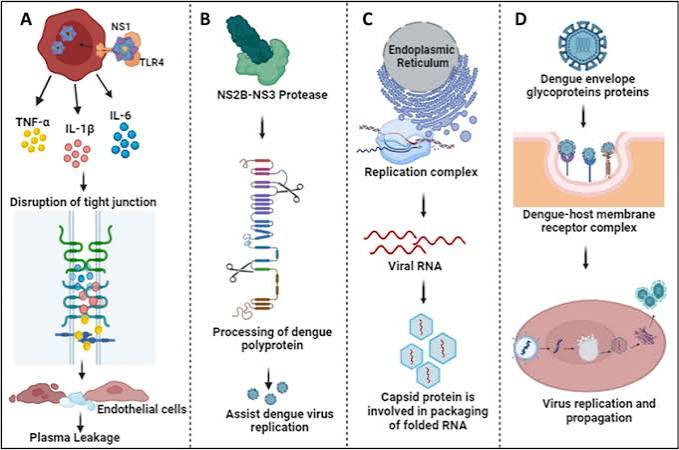
Dengue affects hundreds of millions of people worldwide each year, with a substantial number of infections occurring in Asia, Latin America, and parts of Africa. WHO and global health organizations continue strengthening:
- Surveillance systems
- Mosquito control programs
- Public awareness campaigns
- Vaccine implementation strategies
The increasing geographic spread of dengue highlights the importance of international cooperation and public health preparedness.
Recent Research Trends in Dengue
Current scientific research focuses on:
Advanced Vaccines
Researchers are developing broader protection against all four dengue serotypes.
Antiviral Therapies
Several investigational drugs are being studied to directly target dengue virus replication.
Improved Diagnostics
Rapid diagnostic technologies are becoming more accurate and accessible.
Mosquito Control Innovations
Scientists are exploring:
- Genetically modified mosquitoes
- Wolbachia-based mosquito control programs
- Smart surveillance technologies
These innovations may significantly reduce dengue transmission in the future.
When Should You Seek Immediate Medical Care?
Contact a healthcare professional immediately if dengue symptoms are accompanied by:
- Severe abdominal pain
- Continuous vomiting
- Difficulty breathing
- Signs of bleeding
- Fainting
- Confusion
- Extreme weakness
Early intervention can prevent life-threatening complications. Dengue fever remains one of the most important mosquito-borne viral diseases worldwide. Caused by the dengue virus and transmitted primarily by Aedes mosquitoes, the disease can range from a mild flu-like illness to severe, life-threatening complications. The most common symptoms include high fever, severe headache, eye pain, muscle aches, joint pain, rash, nausea, and extreme fatigue. Most people recover within 1 to 2 weeks, although severe cases may require hospitalization and a longer recovery period.
Current treatment focuses on hydration, symptom management, careful monitoring, and timely medical care. While there is no specific cure for dengue, early diagnosis and appropriate treatment dramatically improve outcomes. Prevention through mosquito control, personal protection measures, and vaccination programs where available, remains the most effective strategy. As research continues to advance, experts remain hopeful that improved vaccines, antiviral treatments, and innovative mosquito-control technologies will further reduce the global burden of dengue and protect millions of people from this increasingly significant public health threat.
FAQs.
1. What is dengue fever, and what causes it?
Dengue fever is a viral infection caused by the dengue virus (DENV), which is transmitted to humans through the bite of infected Aedes mosquitoes, primarily Aedes aegypti. The disease is common in tropical and subtropical regions around the world, including parts of Asia, Latin America, Africa, and the Pacific Islands. There are four different dengue virus serotypes: DENV-1, DENV-2, DENV-3, and DENV-4. Infection with one serotype provides lifelong immunity to that specific type but not to the others. This means a person can contract dengue more than once during their lifetime. According to the World Health Organization (WHO), dengue is one of the fastest-spreading mosquito-borne diseases globally.
2. What are the first symptoms of dengue fever?
The earliest symptoms of dengue usually appear between 4 and 10 days after being bitten by an infected mosquito. Common initial symptoms include sudden high fever, severe headache, pain behind the eyes, muscle and joint pain, nausea, vomiting, fatigue, and skin rash. Some people may experience mild symptoms that resemble the flu, while others may develop more severe illness. Early recognition of symptoms is important because timely medical evaluation can help prevent complications associated with severe dengue.
3. How long does it take to recover from dengue fever?
Recovery time varies depending on the severity of the infection. Most people with mild dengue recover within 7 to 14 days. However, weakness and fatigue may continue for several weeks after the fever subsides. Patients with severe dengue who require hospitalization may need several weeks or even months to regain full strength. During recovery, adequate hydration, proper nutrition, and sufficient rest are essential for helping the body heal effectively.
4. What are the warning signs of severe dengue?
Severe dengue is a medical emergency and can be life-threatening if left untreated. Warning signs often appear when the fever starts to decrease. Symptoms include severe abdominal pain, persistent vomiting, bleeding gums, nosebleeds, difficulty breathing, blood in vomit or stool, extreme fatigue, restlessness, and fainting. WHO advises immediate medical attention if any of these symptoms occur. Early treatment significantly improves the chances of recovery and reduces the risk of complications.
5. Is dengue fever contagious from person to person?
Dengue fever is generally not spread through direct person-to-person contact such as touching, hugging, or sharing food. The virus is primarily transmitted through mosquito bites. A mosquito becomes infected after biting a person who has dengue and can then spread the virus to other individuals. In rare circumstances, dengue transmission may occur through blood transfusions, organ transplantation, or from a pregnant mother to her baby, but these cases are uncommon.
6. How is dengue diagnosed?
Doctors diagnose dengue using a combination of clinical symptoms, travel history, and laboratory testing. Common diagnostic tests include the NS1 antigen test, PCR testing, and antibody tests such as IgM and IgG. Early diagnosis is important because it allows healthcare providers to monitor the patient closely and identify warning signs before severe complications develop. Individuals living in or returning from dengue-prone areas should seek medical advice if they develop symptoms.
7. Is there a cure for dengue virus infection?
Currently, there is no specific antiviral medication that can cure dengue virus infection. Treatment focuses on relieving symptoms, maintaining hydration, and preventing complications. Most patients recover with supportive care, including fluids, rest, and medical monitoring. Researchers continue to study potential antiviral therapies, but no universally approved cure exists at present. Early medical care remains the best way to ensure a successful recovery.
8. What is the best treatment for dengue fever?
The most important treatment for dengue fever is proper fluid management. Drinking plenty of water, oral rehydration solutions, and other fluids helps prevent dehydration and supports recovery. Doctors may recommend acetaminophen (paracetamol) to reduce fever and relieve pain. In severe cases, hospitalization may be necessary for intravenous fluids and close monitoring. Treatment plans should always follow the guidance of qualified healthcare professionals.
9. Can dengue fever become life-threatening?
Yes. Although many dengue infections are mild, severe dengue can be fatal if not treated promptly. Serious complications include plasma leakage, internal bleeding, shock, and organ failure. However, with early diagnosis, appropriate medical care, and careful monitoring, mortality rates can be significantly reduced. WHO reports that timely treatment can lower severe dengue death rates to well below 1%.
10. What foods should be eaten during dengue recovery?
A balanced diet supports recovery from dengue. Recommended foods include fruits rich in vitamins, vegetables, lean proteins, soups, rice, yogurt, and plenty of fluids. Citrus fruits, bananas, papaya, and nutrient-rich meals can help restore energy levels. While no specific food can cure dengue, healthy eating supports the immune system and overall recovery process. Patients should focus on hydration and maintaining adequate nutritional intake.
11. How can I increase my platelet count during dengue?
Platelet counts often decrease during dengue infection, but recovery usually occurs naturally as the body heals. Medical experts emphasize that managing the patient’s overall condition is more important than focusing solely on platelet numbers. There is no scientifically proven food or supplement that instantly raises platelet counts. Proper hydration, balanced nutrition, and medical monitoring are essential. Platelet transfusions are only used in specific clinical situations as determined by healthcare providers.
12. Can a person get dengue more than once?
Yes. Because there are four different dengue virus serotypes, infection with one type does not provide immunity against the other three. A person who has recovered from dengue can become infected again if exposed to a different serotype. In some cases, secondary infections may increase the risk of developing severe dengue. This is one reason why ongoing prevention measures remain important even after recovering from a previous infection.
13. Are there vaccines available for dengue prevention?
Several dengue vaccines have been developed and are being used in specific countries under approved public health programs. WHO supports vaccination strategies based on factors such as age, prior dengue exposure, and local disease patterns? Vaccine recommendations vary by country, and eligibility requirements may differ. Individuals interested in vaccination should consult healthcare professionals or local health authorities for the latest guidance.
14. How can dengue fever be prevented?
Preventing mosquito bites is the most effective way to reduce dengue risk. Key preventive measures include eliminating standing water around homes, using insect repellents, wearing long-sleeved clothing, installing window screens, and supporting community mosquito-control efforts. Mosquitoes that spread dengue are most active during daylight hours, making daytime protection especially important. Consistent prevention strategies significantly reduce the likelihood of infection.
15. When should I seek immediate medical help for dengue symptoms?
Immediate medical attention is necessary if symptoms worsen or warning signs develop. Seek emergency care if you experience severe abdominal pain, persistent vomiting, breathing difficulties, bleeding, confusion, fainting, extreme weakness, or signs of shock. These symptoms may indicate severe dengue, which requires urgent medical management. Prompt treatment can save lives and prevent serious complications.
Dengue fever remains a significant global health concern, affecting millions of people annually. Understanding the symptoms, recovery timeline, treatment options, and prevention strategies can help individuals protect themselves and their families. While most patients recover completely with proper care, recognizing warning signs and seeking timely medical attention are essential. Following WHO-recommended prevention measures, staying informed about vaccine developments, and maintaining good mosquito-control practices remain the most effective defenses against dengue virus infection.
fatimaali3rocket@gmail.comhttps://healthandtechnologies.comhttps://healthandtechnologies.com/wp-admin/post.php?post=1279&action=edit