
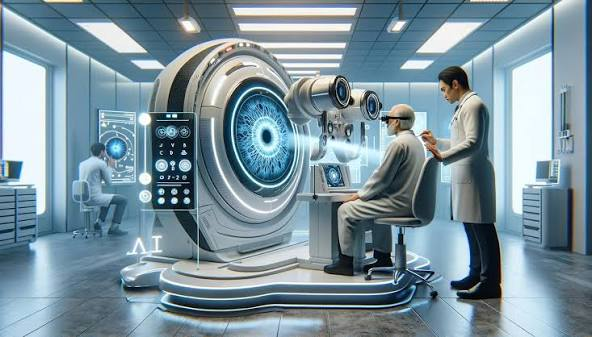
Best AI in Eye Care: Detecting Glaucoma Before Symptoms 3126
Best AI in Eye Care: Detecting Glaucoma Before Symptoms 3126:Meta Title: AI in Eye Care: Detecting Glaucoma Before Symptoms and Preventing Vision Loss Meta Description: Discover how AI is transforming glaucoma detection before symptoms appear. Learn about risk factors, WHO recommendations, latest technologies, prevention strategies, and future innovations in eye care. Imagine losing your vision slowly without realizing it. That’s exactly why glaucoma is often called the “Silent Thief of Sight.” It develops gradually, causing irreversible damage to the optic nerve long before most people notice any symptoms.
According to the World Health Organization (WHO), vision impairment and blindness affect hundreds of millions of people worldwide, with glaucoma being one of the leading causes of irreversible blindness. The most alarming fact is that many individuals remain undiagnosed until significant vision loss has already occurred. Today, however, a powerful ally is emerging in the fight against blindness: Artificial Intelligence (AI).
AI-powered eye care technologies are helping doctors detect glaucoma earlier, more accurately, and more efficiently than ever before. These innovations have the potential to preserve vision, improve healthcare access, and transform how eye diseases are diagnosed worldwide. In this comprehensive guide, you’ll discover:
- What glaucoma is
- Why it often goes undetected
- WHO’s perspective on eye health
- How AI is revolutionizing glaucoma detection
- Latest breakthroughs in eye care technology
- Risk factors and age groups most affected
- Prevention and treatment options
- The future of AI-powered ophthalmology
What Is Glaucoma?
Glaucoma is a group of eye diseases that damage the optic nerve, which transmits visual information from the eye to the brain. The optic nerve is essential for healthy vision. Once damaged, vision loss cannot be reversed. Glaucoma often develops when increased pressure inside the eye damages optic nerve fibers over time. Glaucoma can also occur even when eye pressure appears normal.
Why Is Glaucoma Called the “Silent Thief of Sight”?
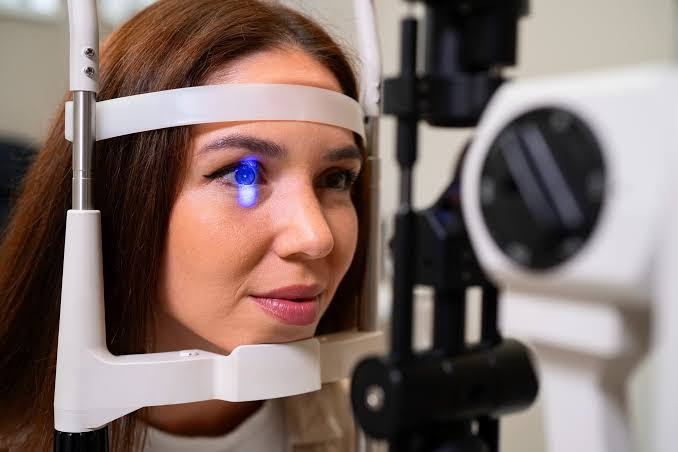
Unlike many other health conditions, glaucoma usually develops without noticeable symptoms during its early stages. Most people experience:
- No pain
- No redness
- No obvious vision problems
- No warning signs
As the disease progresses, peripheral (side) vision gradually deteriorates. By the time symptoms become noticeable, permanent optic nerve damage may have already occurred. This silent progression makes early detection absolutely critical.
WHO and Global Eye Health
The World Health Organization emphasizes the importance of early diagnosis and treatment of eye diseases to prevent avoidable vision loss.
According to WHO:
- More than 2 billion people worldwide have some form of vision impairment.
- At least 1 billion cases could have been prevented or have not yet been addressed.
- Glaucoma remains one of the leading causes of irreversible blindness globally.
WHO promotes:
- Regular eye examinations
- Early screening programs
- Improved healthcare access
- Technological innovations that enhance diagnosis
Artificial Intelligence is becoming an important tool supporting these global goals.
Types of Glaucoma
Understanding the different forms of glaucoma helps highlight why accurate detection is so important.
1. Primary Open-Angle Glaucoma
This is the most common type worldwide. Characteristics include:
- Slow progression
- No early symptoms
- Gradual vision loss
Many patients remain unaware they have the disease for years.
2. Angle-Closure Glaucoma
Less common but more dangerous. Symptoms may include:
- Severe eye pain
- Blurred vision
- Headaches
- Nausea
This condition can become a medical emergency.
3. Normal-Tension Glaucoma
Optic nerve damage occurs even when eye pressure remains within normal ranges. This type demonstrates why pressure measurements alone may not detect all glaucoma cases.
4. Secondary Glaucoma
Occurs due to:
- Eye injuries
- Inflammation
- Certain medications
- Other medical conditions
Early Risk Factors You Should Know
Certain individuals face a higher risk of developing glaucoma.
Age
Risk increases significantly after age 40. Higher-risk groups include:
Ages 40–60
- Early optic nerve changes may begin.
- Regular screening becomes important.
Ages 60+
- Risk increases substantially.
- Annual comprehensive eye exams are recommended.
Family History
If a parent, sibling, or close relative has glaucoma, your risk may be significantly higher. Genetics plays an important role.
High Eye Pressure
Elevated intraocular pressure remains one of the strongest risk factors.
Diabetes
People with diabetes may have an increased risk for various eye diseases, including glaucoma.
High Blood Pressure
Vascular health affects optic nerve function and may contribute to disease progression.
Severe Nearsightedness
Individuals with high myopia often face greater glaucoma risk.
Why Traditional Detection Has Challenges
Traditional glaucoma diagnosis typically involves:
- Eye pressure measurement
- Visual field testing
- Optic nerve examination
- Retinal imaging
While effective, these methods face challenges:
Human Limitations
Even experienced specialists may encounter subtle abnormalities that are difficult to detect early.
Growing Patient Demand
Many regions face shortages of eye care professionals.
Delayed Diagnosis
Patients often seek care only after symptoms develop. These challenges have accelerated interest in AI-powered screening systems.
How AI Is Transforming Glaucoma Detection
Artificial Intelligence uses advanced algorithms and machine learning models to analyze medical data and identify disease patterns. AI can process thousands of retinal images in minutes and detect subtle changes that may indicate glaucoma risk.
AI-Powered Retinal Imaging
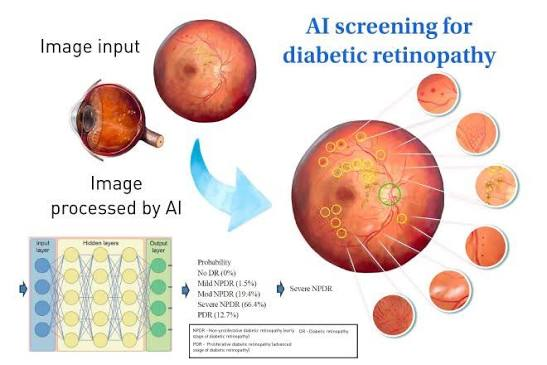
One of the most exciting developments in modern ophthalmology is AI-assisted retinal analysis. High-resolution retinal photographs provide detailed images of:
- Optic nerve structures
- Blood vessels
- Retinal tissue
AI systems analyze these images and identify patterns associated with glaucoma. Benefits include:
- Faster screening
- Increased accuracy
- Earlier detection
- Reduced specialist workload
Deep Learning and Eye Disease Detection
Deep learning is a specialized branch of AI that mimics certain aspects of human learning. These systems are trained using hundreds of thousands of retinal images.
The algorithms learn to identify:
- Optic nerve damage
- Retinal abnormalities
- Structural changes
- Disease progression
Many studies have shown performance levels approaching those of experienced eye specialists.
AI and Optical Coherence Tomography (OCT)
Optical Coherence Tomography (OCT) is one of the most important technologies in glaucoma care. OCT creates detailed cross-sectional images of retinal layers. AI enhances OCT by:
- Identifying microscopic damage
- Comparing scans over time
- Predicting future progression
- Improving diagnostic accuracy
This combination is becoming increasingly valuable in modern eye clinics.
Latest AI Innovations in Eye Care
The field of AI ophthalmology is evolving rapidly. Several innovations are attracting global attention.
Smartphone-Based Eye Screening
Researchers are developing smartphone-connected diagnostic tools that can screen for glaucoma in remote communities.
Potential advantages include:
- Lower cost
- Improved accessibility
- Faster referrals
This technology may be especially valuable in underserved regions.
Cloud-Based AI Platforms
Healthcare providers can upload retinal images to secure cloud systems where AI analyzes them instantly. Results can help prioritize patients needing urgent attention.
Predictive Analytics
AI is moving beyond detection toward prediction. New systems can estimate:
- Disease progression risk
- Future vision loss likelihood
- Treatment response probability
This supports personalized patient care.
Can AI Detect Glaucoma Before Symptoms Appear?
In many cases, yes. AI excels at identifying subtle structural changes that occur before noticeable vision loss develops. By analyzing retinal images, optic nerve measurements, and imaging scans, AI may detect warning signs years before patients become aware of symptoms. Early detection offers significant benefits:
- Slower disease progression
- Better treatment outcomes
- Reduced risk of blindness
- Improved quality of life
Benefits of AI in Eye Care
Faster Diagnosis
AI systems can analyze images within seconds.
Improved Accessibility
Remote screening programs can reach underserved populations.
Enhanced Accuracy
AI reduces the chance of missing subtle abnormalities.
Cost Efficiency
Early detection often lowers long-term healthcare costs.
Personalized Care
Machine learning enables individualized risk assessments.
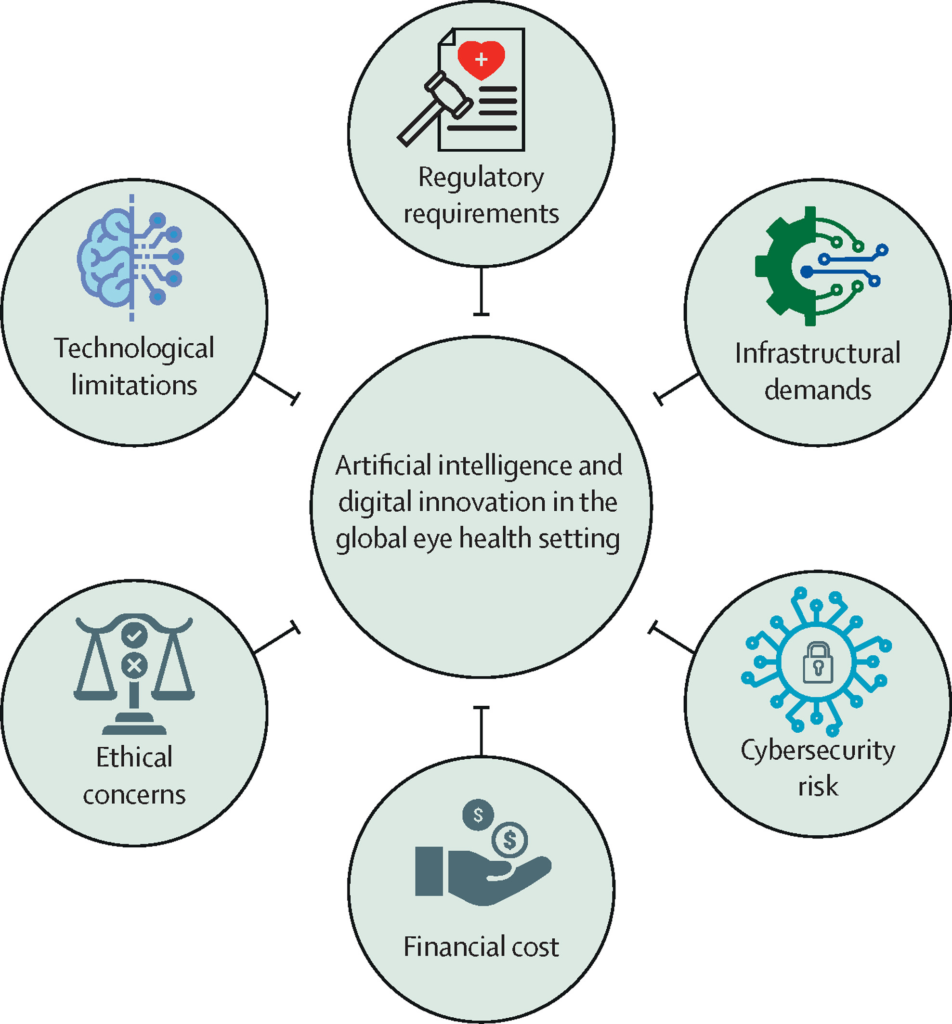
Challenges and Ethical Considerations
Despite its promise, AI is not without limitations.
Data Quality
AI depends on high-quality training data. Poor-quality images can affect accuracy.
Privacy Concerns
Patient data must be protected through strong cybersecurity measures.
Human Oversight
AI should support healthcare professionals not replace them. Expert clinical judgment remains essential.
Glaucoma Prevention Tips
Although glaucoma cannot always be prevented, risk can be reduced through proactive eye care.
Schedule Regular Eye Exams
Routine screenings remain the most effective defense. WHO and eye health organizations strongly support regular examinations?
Know Your Family History
Inform your eye doctor if relatives have glaucoma.
Manage Chronic Conditions
Control:
- Diabetes
- Blood pressure
- Cholesterol levels
Good overall health supports eye health.
Exercise Regularly
Moderate physical activity may help maintain healthy eye pressure levels.
Protect Your Eyes
Use protective eyewear during sports, work activities, and hazardous environments.
Treatment Options for Glaucoma
Early treatment can significantly slow disease progression.
Prescription Eye Drops
Often the first-line treatment. These medications lower eye pressure and protect the optic nerve.
Laser Therapy
Laser procedures can improve fluid drainage inside the eye.
Surgical Treatments
Advanced cases may require surgery to reduce eye pressure.
AI-Assisted Monitoring
Emerging technologies allow doctors to monitor treatment effectiveness more precisely.
The Future of AI in Ophthalmology
Experts believe AI will become increasingly integrated into eye care systems worldwide. Future developments may include:
Home-Based Eye Monitoring
Patients may perform routine vision assessments using smart devices.
Real-Time Disease Tracking
Wearable technologies could continuously monitor eye health indicators.
Global Screening Networks
AI-powered systems may help detect glaucoma in regions lacking specialists.
Precision Medicine
Personalized treatment recommendations based on genetic and imaging data could become more common. These innovations align with WHO’s vision of expanding access to quality eye care and reducing preventable blindness.
Frequently Asked Questions
Can glaucoma be cured?
Currently, glaucoma cannot be cured, but early treatment can slow progression and preserve vision.
Is glaucoma hereditary?
Yes. Family history significantly increases risk.
At what age should glaucoma screening begin?
Many eye care professionals recommend comprehensive eye exams beginning around age 40, or earlier for high-risk individuals.
Is AI replacing eye doctors?
No. AI supports diagnosis and screening, but ophthalmologists remain essential for patient care and treatment decisions.
Can AI detect other eye diseases?
Yes. AI is also being used to identify diabetic retinopathy, age-related macular degeneration, cataracts, and other retinal conditions. Glaucoma remains one of the world’s leading causes of irreversible blindness, largely because it develops silently and often without warning. The challenge of detecting the disease before symptoms appear has driven significant innovation in eye care.
Artificial Intelligence is now emerging as one of the most powerful tools in modern ophthalmology. Through advanced retinal imaging, machine learning, OCT analysis, predictive analytics, and remote screening technologies, AI is helping healthcare providers identify glaucoma earlier than ever before.
As supported by global eye health priorities championed by the World Health Organization, early detection, regular eye examinations, and access to innovative technologies are essential for protecting vision. By combining expert medical care with AI-powered solutions, the future of glaucoma prevention and management looks more promising than ever.
Protect your sight today because when it comes to glaucoma, early detection can make all the difference.
FAQs.
1. What is glaucoma, and why is it considered a serious eye disease?
Glaucoma is a group of eye conditions that damage the optic nerve, which carries visual information from the eye to the brain. It is considered one of the leading causes of irreversible blindness worldwide. The disease often develops slowly and without noticeable symptoms in its early stages. Because vision loss caused by glaucoma cannot be restored, early diagnosis and treatment are critical. According to global health experts, millions of people are living with glaucoma without knowing it. If left untreated, glaucoma can gradually reduce peripheral vision and eventually lead to complete blindness. Regular eye examinations remain one of the most effective ways to detect glaucoma before permanent damage occurs.
2. Why is glaucoma called the “Silent Thief of Sight”?
Glaucoma earns the nickname “Silent Thief of Sight” because it often progresses without causing pain, discomfort, or obvious vision changes. Most people do not notice symptoms until significant optic nerve damage has already occurred. In many cases, peripheral vision is affected first, and the brain compensates for the loss, making it difficult to recognize the problem. This silent progression means that individuals can unknowingly lose vision for years. By the time central vision becomes affected, the disease may be advanced. Early screening and modern AI-assisted detection tools are helping identify glaucoma before symptoms become noticeable.
3. How does Artificial Intelligence help detect glaucoma?
Artificial Intelligence (AI) helps detect glaucoma by analyzing medical images and eye health data with remarkable speed and accuracy. AI systems use machine learning algorithms trained on thousands or even millions of retinal images. These algorithms can identify subtle structural changes in the optic nerve and retina that may indicate early glaucoma. AI can also analyze Optical Coherence Tomography (OCT) scans and compare current results with previous records to identify disease progression. By assisting eye care professionals in detecting abnormalities earlier, AI helps improve diagnosis rates and supports timely treatment decisions.
4. Can AI detect glaucoma before symptoms appear?
Yes, one of the most promising advantages of AI is its ability to identify early warning signs of glaucoma before symptoms develop. AI systems can detect microscopic changes in retinal tissue, optic nerve structure, and eye imaging scans that may not be immediately visible during routine examinations. Early detection allows healthcare providers to start treatment sooner, helping slow disease progression and preserve vision. Although AI cannot guarantee perfect prediction, it significantly enhances the ability to recognize high-risk patients before noticeable vision loss occurs.
5. What eye tests are commonly used alongside AI for glaucoma detection?
AI is often combined with several established diagnostic tests. These include intraocular pressure measurements, visual field testing, retinal photography, and Optical Coherence Tomography (OCT). Retinal photographs allow AI systems to analyze the appearance of the optic nerve, while OCT provides detailed cross-sectional images of retinal layers. Visual field tests measure peripheral vision loss, a common sign of glaucoma. When AI is integrated into these technologies, it can enhance accuracy, identify subtle abnormalities, and assist doctors in making more informed decisions.
6. Who is most at risk of developing glaucoma?
Several factors increase the risk of glaucoma. Age is one of the most significant risk factors, especially after age 40. Individuals with a family history of glaucoma are also at higher risk. Other contributing factors include elevated eye pressure, diabetes, high blood pressure, severe nearsightedness, previous eye injuries, and long-term use of corticosteroid medications. Certain ethnic populations may face increased risk as well. Understanding these risk factors can help individuals seek appropriate screening and preventive care before symptoms develop.
7. Can AI replace ophthalmologists in diagnosing glaucoma?
No, AI cannot replace ophthalmologists or eye care specialists. While AI is a powerful diagnostic support tool, it does not possess the clinical judgment, experience, and patient interaction skills of a trained medical professional. AI assists by analyzing large amounts of data quickly and identifying patterns that may indicate disease. However, ophthalmologists are responsible for confirming diagnoses, interpreting findings, discussing treatment options, and managing patient care. The most effective approach combines AI technology with professional medical expertise.
8. What is Optical Coherence Tomography (OCT), and why is it important?
Optical Coherence Tomography, commonly known as OCT, is a non-invasive imaging technology that provides highly detailed images of the retina and optic nerve. OCT allows eye specialists to measure retinal thickness and detect structural changes associated with glaucoma. AI systems can analyze OCT scans with exceptional precision, helping identify damage that may be difficult to detect during routine examinations. OCT has become one of the most valuable tools in modern glaucoma diagnosis because it enables earlier detection and more accurate monitoring of disease progression.
9. How accurate are AI systems in detecting glaucoma?
Many AI systems have demonstrated high levels of accuracy in research studies and clinical settings. Advanced machine learning models can identify glaucoma-related abnormalities with performance comparable to experienced specialists in certain situations. However, accuracy depends on factors such as image quality, training data, and patient characteristics. AI is most effective when used as part of a comprehensive diagnostic process rather than as a standalone solution. Continuous improvements in technology are expected to further enhance AI’s diagnostic capabilities in the future.
10. Can AI help people living in remote areas receive eye care?
Yes, AI has enormous potential to improve access to eye care in underserved and remote regions. AI-powered screening systems can analyze retinal images captured by portable devices or smartphones, allowing patients to receive preliminary assessments without traveling long distances. Healthcare providers can use cloud-based platforms to review results and prioritize patients who need urgent specialist care. This approach may help address shortages of eye care professionals and reduce preventable vision loss in communities with limited healthcare resources.
11. What are the benefits of early glaucoma detection?
Early detection offers the best opportunity to protect vision and prevent severe complications. When glaucoma is identified before symptoms appear, treatment can often slow or stop disease progression. Benefits include preserving peripheral vision, reducing the risk of blindness, improving quality of life, and minimizing the need for more aggressive interventions later. Early diagnosis also allows patients to adopt healthy habits and follow treatment plans that support long-term eye health. AI technology is making early detection more achievable than ever before.
12. Are there any limitations to AI in glaucoma diagnosis?
Although AI offers many advantages, it also has limitations. AI systems depend on high-quality data and may perform less effectively when images are unclear or incomplete. Algorithms can sometimes produce false positives or false negatives, meaning human review remains necessary. Privacy and data security concerns must also be carefully addressed when handling medical information. Furthermore, AI systems require ongoing validation and updates to ensure they remain accurate across diverse populations. These limitations highlight the importance of combining AI technology with professional medical oversight.
13. What treatments are available for glaucoma?
While glaucoma cannot currently be cured, several treatments can help manage the condition and slow vision loss. The most common treatment involves prescription eye drops that lower intraocular pressure. Laser procedures may improve fluid drainage within the eye, reducing pressure on the optic nerve. In some cases, surgery may be necessary to create new drainage pathways. Advances in AI-assisted monitoring are helping doctors track treatment effectiveness more accurately and adjust management plans when needed. Early treatment remains the key to preserving vision.
14. How often should adults have their eyes checked for glaucoma?
The frequency of eye examinations depends on age, risk factors, and overall eye health. Many eye care professionals recommend comprehensive eye exams every one to two years for adults over age 40. Individuals with a family history of glaucoma, diabetes, high eye pressure, or other risk factors may require more frequent screenings. Regular examinations are especially important because glaucoma often develops without symptoms. AI-enhanced screening tools may further improve the effectiveness of routine eye health assessments.
15. What does the future of AI in glaucoma care look like?
The future of AI in glaucoma care is extremely promising. Researchers are developing advanced algorithms capable of predicting disease progression, identifying high-risk individuals, and recommending personalized treatment strategies. Future innovations may include home-based monitoring devices, wearable eye health technologies, and AI-powered telemedicine platforms that provide real-time assessments. These developments could make glaucoma screening more accessible, affordable, and effective worldwide. As technology continues to evolve, AI is expected to play an increasingly important role in preventing vision loss and supporting global eye health initiatives.
Artificial Intelligence is transforming the field of eye care by enabling earlier and more accurate glaucoma detection. Combined with regular eye examinations and professional medical care, AI-powered technologies have the potential to reduce preventable blindness and improve outcomes for millions of people worldwide. Understanding glaucoma, recognizing risk factors, and staying informed about emerging innovations can help individuals take proactive steps to protect their vision for the future.
fatimaali3rocket@gmail.comhttps://healthandtechnologies.comhttps://healthandtechnologies.com