
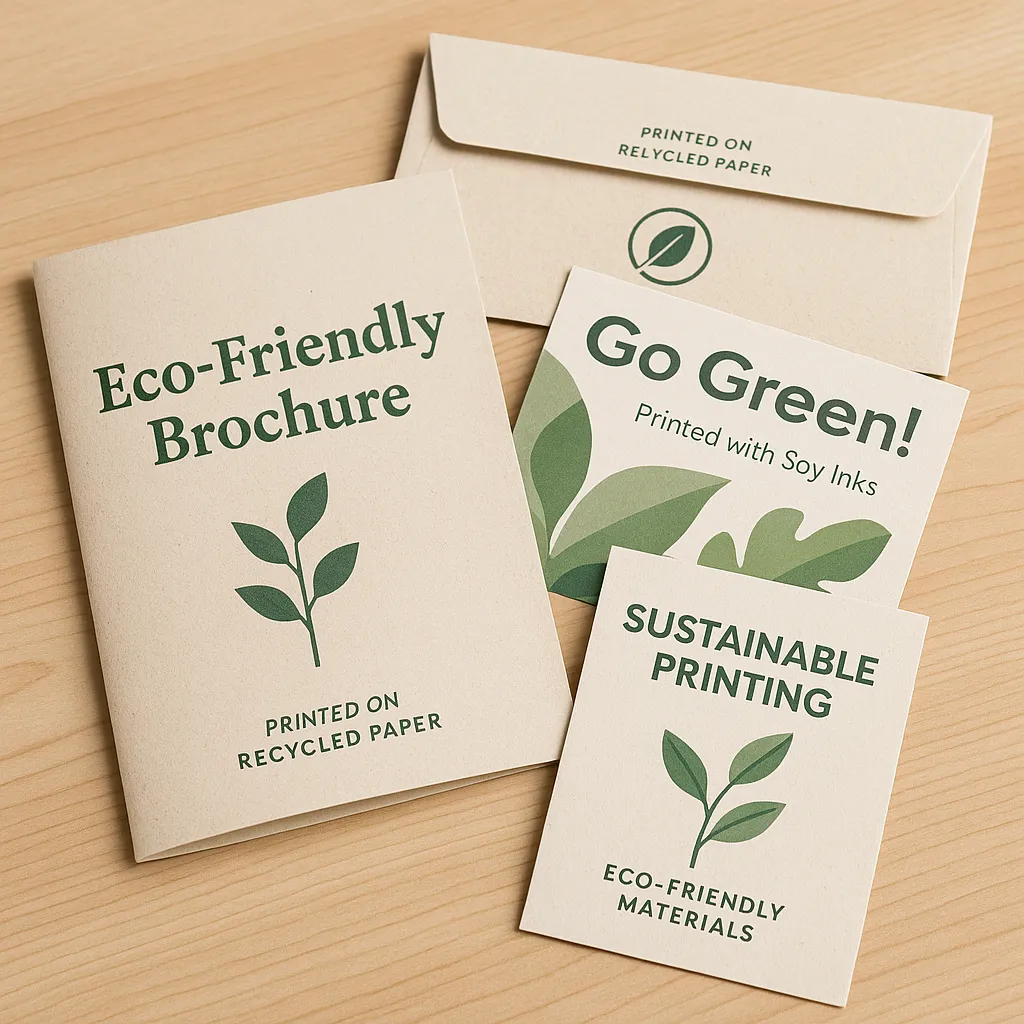
Best Eco-Friendly Printing in 2026:
Best Eco-Friendly Printing in 2026:In an era where environmental responsibility has become a global priority, the publishing industry is undergoing a remarkable transformation. Readers, authors, businesses, and educational institutions are increasingly seeking sustainable alternatives that reduce environmental impact without compromising quality. As a result, eco-friendly printing has emerged as one of the most influential trends reshaping modern publishing.
From sustainable paper sourcing and biodegradable inks to energy-efficient printing technologies and carbon-neutral production processes, publishers are embracing innovative solutions that support both profitability and environmental stewardship. Today’s consumers are more environmentally conscious than ever before, and many actively choose brands that demonstrate a commitment to sustainability.
For publishers, adopting eco-friendly printing practices is no longer just an ethical choice it is a strategic business decision that enhances brand reputation, attracts environmentally conscious audiences, reduces operational costs, and aligns with evolving industry regulations.
Why Sustainability Matters in Publishing
The publishing industry relies heavily on natural resources, particularly paper, energy, water, and transportation networks. Traditional printing methods can contribute significantly to:
- Deforestation
- Carbon emissions
- Water pollution
- Chemical waste
- Landfill accumulation
According to environmental organizations and industry reports, millions of books, magazines, catalogs, and marketing materials are produced annually worldwide. While print remains an essential medium, the industry’s environmental footprint has prompted publishers to seek greener alternatives.
Modern readers increasingly evaluate brands based on their environmental impact. Research consistently shows that consumers are more likely to support companies that prioritize sustainability and transparency.
For publishers, sustainability offers benefits that extend beyond environmental protection:
Key Benefits of Eco-Friendly Printing
Enhanced brand credibility
Improved customer loyalty
Reduced waste management costs
Stronger regulatory compliance
Greater appeal to environmentally conscious readers
Competitive market differentiation
The transition toward sustainable publishing is becoming both an environmental necessity and a business opportunity.
Sustainable Paper: The Foundation of Green Publishing
Paper remains one of the most important materials in publishing, making responsible paper sourcing a critical sustainability strategy.
Recycled Paper Solutions
Recycled paper significantly reduces the demand for virgin wood pulp. Benefits include:
- Reduced deforestation
- Lower energy consumption
- Less water usage
- Reduced landfill waste
Modern recycled paper products offer print quality that rivals traditional paper while maintaining environmental benefits. Publishers increasingly use:
- 100% recycled paper
- Post-consumer waste paper
- Mixed recycled fiber paper
These options help conserve natural resources while meeting reader expectations for quality.
FSC and PEFC Certified Paper
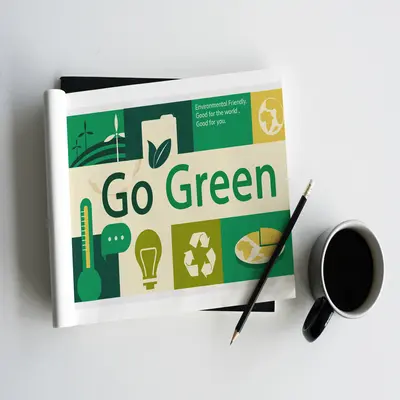
Certification programs ensure responsible forest management practices.
FSC (Forest Stewardship Council)
FSC certification guarantees that paper products originate from responsibly managed forests that protect biodiversity and local communities.
PEFC (Programmed for the Endorsement of Forest Certification)
PEFC certification supports sustainable forestry practices worldwide. Publishers displaying FSC or PEFC logos demonstrate their commitment to environmental responsibility, which often resonates strongly with readers and corporate clients.
Eco-Friendly Inks: Reducing Environmental Impact
Traditional petroleum-based inks contain volatile organic compounds (VOCs) that can contribute to air pollution and environmental degradation. Innovative ink technologies are providing cleaner alternatives.
Soy-Based Inks
Soy ink has become one of the most widely adopted eco-friendly printing solutions.
Advantages of Soy Ink
- Lower VOC emissions
- Renewable raw materials
- Enhanced color vibrancy
- Easier paper recycling
Many publishers now choose soy-based inks for books, magazines, newspapers, and marketing materials.
Vegetable-Based Inks
Vegetable oils derived from:
- Linseed
- Corn
- Canola
- Safflower
provide sustainable alternatives to petroleum-based inks. These inks offer excellent print quality while reducing environmental impact.
Water-Based Inks
Water-based inks contain fewer harmful chemicals and are increasingly used in packaging, labels, and specialty publishing applications. Benefits include:
- Minimal toxic emissions
- Safer workplace environments
- Easier disposal procedures
As sustainability regulations become stricter, water-based inks are expected to gain broader adoption.
Digital Printing: A Sustainable Alternative
Digital printing has revolutionized the publishing industry by dramatically reducing waste and resource consumption. Unlike traditional offset printing, digital printing eliminates the need for printing plates and extensive setup processes.
Environmental Benefits of Digital Printing
Reduced Material Waste
Digital printing allows precise production quantities. Publishers can print only what they need, avoiding excess inventory and unsold stock.
Lower Chemical Usage
Traditional plate-making processes often require chemicals and solvents. Digital printing eliminates many of these requirements.
Energy Efficiency
Modern digital presses consume less energy compared to older printing technologies.
Faster Turnaround Times
Shorter production cycles reduce overall resource consumption. Digital printing has become particularly valuable for:
- Independent publishers
- Educational publishers
- Self-publishing authors
- Custom publishing projects
- Print-on-Demand: Eliminating Overproduction
One of the most significant sustainability breakthroughs in publishing is Print-on-Demand (POD) technology. Publishers printed large quantities of books in anticipation of demand. This often resulted in:
- Overstock inventory
- Unsold books
- Warehouse costs
- Waste disposal issues
Print-on-demand changes this model entirely.
How POD Supports Sustainability
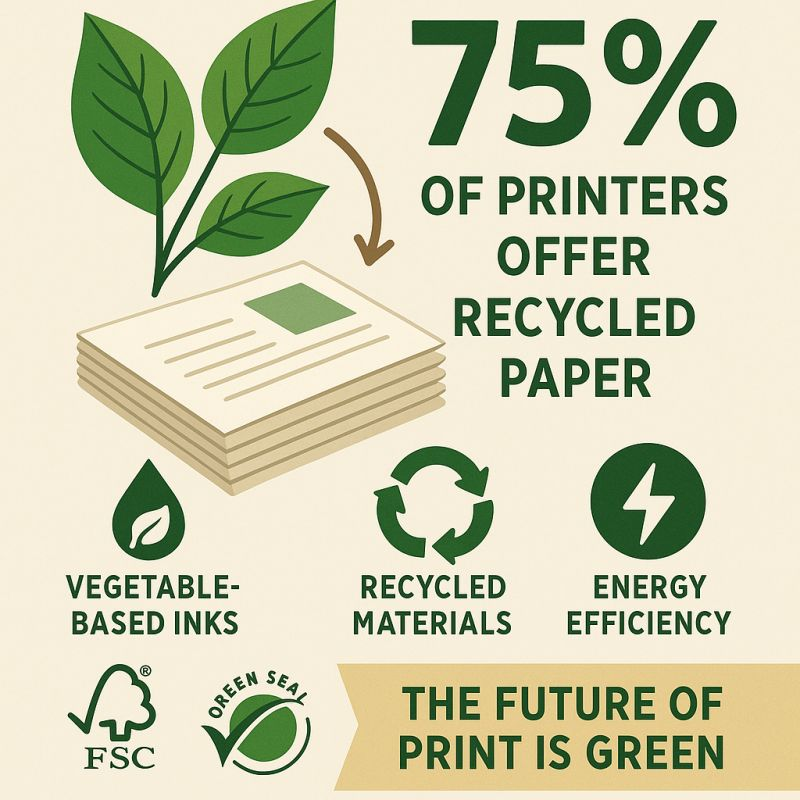
Books are printed only when orders are placed.
Benefits include:
Reduced Waste
No excess inventory.
Lower Storage Requirements
Fewer warehouse facilities needed.
Reduced Transportation Emissions
Localized printing facilities shorten shipping distances.
Improved Resource Efficiency
Materials are used only when necessary. Major publishers increasingly integrate POD into their production strategies to support both sustainability and profitability.
Carbon-Neutral Publishing Initiatives
Many publishers are now pursuing carbon-neutral operations to minimize their environmental impact. Carbon neutrality involves balancing greenhouse gas emissions through reduction efforts and carbon offset programs.
Common Carbon Reduction Strategies
Renewable Energy Adoption
Printing facilities increasingly utilize:
- Solar energy
- Wind power
- Renewable electricity sources
Energy-Efficient Equipment
Modern presses consume less electricity while delivering higher productivity.
Optimized Logistics
Publishers reduce transportation emissions through:
- Regional printing hubs
- Efficient distribution networks
- Consolidated shipments
Carbon Offsetting
Companies invest in projects such as:
- Reforestation
- Renewable energy development
- Conservation programs
Carbon-neutral publishing is becoming an important differentiator for environmentally conscious consumers and institutional buyers.
Sustainable Packaging for Books and Publications
Publishing sustainability extends beyond printing itself. Packaging materials also contribute significantly to environmental impact.
Eco-Friendly Packaging Solutions
Recyclable Packaging
Publishers increasingly use:
- Recyclable cardboard
- Paper mailers
- Recycled packaging materials
Plastic-Free Shipping
Many organizations are eliminating single-use plastics from packaging operations.
Biodegradable Packaging
New materials decompose naturally without harming ecosystems.
Minimalist Packaging Designs
Reducing excess packaging decreases material consumption and shipping costs. Sustainable packaging strengthens a publisher’s overall environmental strategy.
Energy-Efficient Printing Facilities
Green printing begins with operational efficiency. Modern printing facilities are investing heavily in energy-saving technologies.
Key Energy-Efficiency Innovations
LED UV Printing
LED curing systems consume significantly less energy than traditional UV systems.
Benefits include:
- Lower electricity usage
- Faster curing times
- Longer equipment lifespan
Smart Manufacturing Systems
Automated monitoring systems optimize energy consumption throughout production.
Efficient Climate Control
Modern HVAC systems reduce energy waste while maintaining ideal production conditions.
Automated Workflow Management
Improved workflow efficiency minimizes unnecessary machine operation. These innovations contribute to both environmental and financial sustainability.
Waste Reduction and Circular Economy Practices
The concept of the circular economy is gaining momentum within publishing and printing industries. Rather than following a “produce-use-dispose” model, circular systems emphasize:
- Reuse
- Recycling
- Resource recovery
Waste Reduction Strategies
Paper Recycling Programs
Unused paper and trim waste are recycled into new products.
Ink Recovery Systems
Advanced technologies help reduce ink waste.
Digital Proofing
Publishers increasingly use electronic proofs instead of physical copies.
Lean Manufacturing
Production processes are optimized to minimize waste generation. These practices improve sustainability while lowering operating expenses.
Eco-Friendly Publishing Certifications
Certifications help publishers demonstrate environmental commitment and build trust with readers and stakeholders.
Popular Sustainability Certifications
FSC Certification
Confirms responsible forest management.
PEFC Certification
Supports sustainable forestry worldwide.
ISO 14001
Recognizes environmental management systems.
Carbon Neutral Certification
Verifies efforts to balance carbon emissions. Certification logos often influence purchasing decisions, particularly among environmentally conscious consumers and institutional buyers.
Consumer Demand for Sustainable Publishing
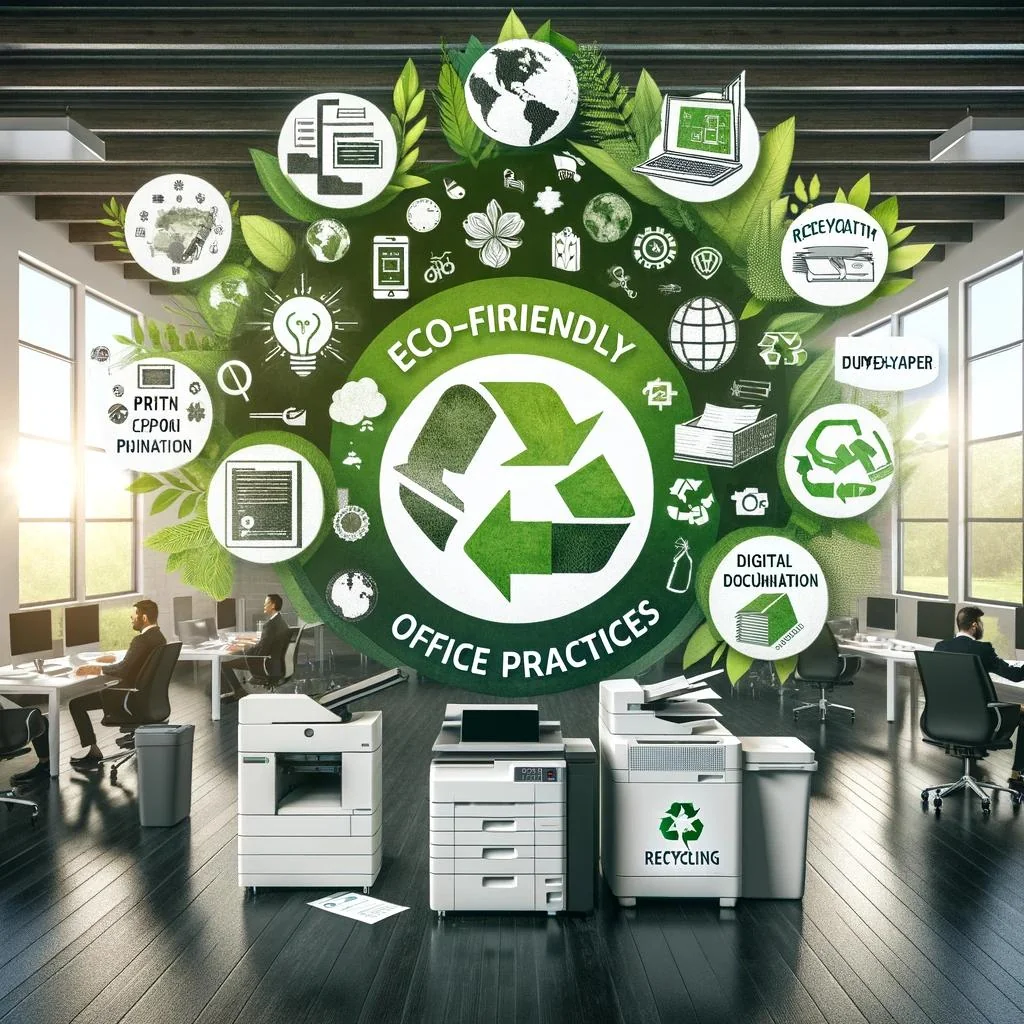
Today’s readers are more informed and environmentally aware than ever before. Many consumers actively seek products from companies that align with their sustainability values.
Emerging Consumer Preferences
Readers increasingly prefer:
- Recycled paper books
- Eco-friendly packaging
- Sustainable publishers
- Transparent environmental policies
Educational institutions, government agencies, and corporate buyers are also incorporating sustainability requirements into procurement processes. Publishers that communicate their environmental initiatives effectively can strengthen customer loyalty and enhance brand reputation.
Technology Driving the Future of Green Printing
Technological innovation continues to accelerate sustainability improvements throughout the publishing industry.
Emerging Green Printing Technologies
Artificial Intelligence (AI)
AI helps optimize:
- Production schedules
- Resource allocation
- Waste reduction
- Energy consumption
Cloud-Based Workflows
Digital collaboration reduces paper usage and improves operational efficiency.
Advanced Ink Technologies
Researchers continue developing biodegradable and plant-based ink solutions.
Smart Production Analytics
Real-time monitoring enables continuous sustainability improvements. Technology will remain a major catalyst for environmental progress in publishing.
Challenges Facing Sustainable Publishing
While eco-friendly printing offers numerous benefits, publishers may encounter challenges during implementation.
Common Obstacles
Initial Investment Costs
Sustainable equipment and certifications often require upfront investment.
Supply Chain Limitations
Access to certified materials may vary by region.
Market Education
Some consumers remain unaware of sustainability benefits.
Operational Adjustments
Transitioning to new processes requires staff training and workflow adaptation. Long-term savings and market advantages often outweigh these initial challenges.
The Future of Eco-Friendly Printing in Publishing
The future of publishing is increasingly green. Industry experts predict continued growth in:
- Sustainable paper usage
- Carbon-neutral printing
- Renewable energy adoption
- Print-on-demand services
- Eco-friendly packaging
- Circular economy practices
- AI-powered sustainability management
Publishers that embrace these innovations today will be better positioned to meet evolving consumer expectations and regulatory requirements. Sustainability is rapidly becoming a defining characteristic of successful publishing organizations worldwide. Eco-friendly printing is transforming the publishing industry by combining environmental responsibility with business innovation. From recycled paper and sustainable inks to digital printing, print-on-demand technology, carbon-neutral operations, and energy-efficient production facilities, publishers now have more opportunities than ever to reduce their environmental footprint.
Modern readers increasingly support brands that prioritize sustainability, making green publishing not only an ethical choice but also a powerful competitive advantage. Publishers that invest in eco-friendly printing solutions can enhance their reputation, reduce waste, improve operational efficiency, and attract environmentally conscious audiences.
As technology continues to advance and sustainability expectations rise, eco-friendly printing will play an increasingly important role in shaping the future of publishing. Organizations that adopt these sustainable solutions today will be well-positioned to thrive in a marketplace where environmental responsibility, innovation, and quality go hand in hand. As sustainability becomes a major focus across industries, publishers are increasingly adopting eco-friendly printing practices to reduce environmental impact while maintaining high-quality production standards. From recycled paper and soy-based inks to print-on-demand technology and carbon-neutral operations, green printing solutions are transforming the publishing landscape.
FAQs.
1. What is eco-friendly printing?
Eco-friendly printing refers to printing processes, materials, and technologies designed to minimize environmental impact. It involves using sustainable paper, environmentally friendly inks, energy-efficient equipment, waste-reduction practices, and responsible sourcing methods. The goal is to reduce carbon emissions, conserve natural resources, and limit pollution throughout the printing and publishing process. Eco-friendly printing enables publishers to produce high-quality books, magazines, catalogs, and marketing materials while supporting environmental sustainability.
2. Why is eco-friendly printing important for publishers?
Eco-friendly printing is important because publishing relies heavily on natural resources such as paper, water, and energy. Traditional printing methods can contribute to deforestation, pollution, and waste generation. By adopting sustainable practices, publishers can reduce their environmental footprint while meeting growing consumer demand for environmentally responsible products. Sustainable printing also helps improve brand reputation, attract eco-conscious readers, comply with environmental regulations, and potentially lower long-term operating costs through greater efficiency.
3. What types of paper are considered environmentally friendly?
Several types of paper are recognized as environmentally friendly. Recycled paper, particularly paper made from post-consumer waste, is one of the most popular options. FSC-certified (Forest Stewardship Council) paper and PEFC-certified (Programmed for the Endorsement of Forest Certification) paper come from responsibly managed forests that prioritize sustainability and biodiversity protection. Publishers may also choose chlorine-free paper or paper produced using renewable energy sources to further reduce environmental impact.
4. What are soy-based inks, and why are they better for the environment?
Soy-based inks are printing inks made from soybean oil rather than petroleum-based ingredients. They are considered more environmentally friendly because they produce fewer volatile organic compounds (VOCs), which contribute to air pollution. Soy inks are renewable, biodegradable, and often provide brighter, more vibrant colors. Additionally, paper printed with soy-based inks is generally easier to recycle. Many publishers use soy inks as part of their broader sustainability initiatives without sacrificing print quality.
5. How does digital printing support sustainable publishing?
Digital printing supports sustainability by reducing waste, energy consumption, and unnecessary production. Unlike traditional offset printing, digital printing does not require printing plates or extensive setup procedures, which reduces material usage. Publishers can print exact quantities needed, eliminating excess inventory and unsold stock. Digital printing also enables faster production cycles and efficient short-run printing, making it a highly sustainable option for books, educational materials, and custom publications.
6. What is print-on-demand (POD), and how does it reduce waste?
Print-on-demand (POD) is a publishing model in which books or materials are printed only after an order is placed. This approach eliminates the need for large print runs and reduces the risk of unsold inventory. Since products are created only when needed, publishers avoid overproduction, warehouse storage costs, and waste associated with excess stock. POD is particularly beneficial for self-published authors, independent publishers, and niche publications that may not require large production volumes.
7. Can eco-friendly printing maintain high-quality results?
Yes. Modern eco-friendly printing technologies provide excellent quality that meets or exceeds industry standards. Advances in recycled paper manufacturing, soy-based inks, digital printing equipment, and color management systems have significantly improved print performance. Readers often cannot distinguish between publications produced using sustainable materials and those produced through conventional methods. Eco-friendly printing allows publishers to maintain professional-quality products while supporting environmental goals.
8. What is carbon-neutral publishing?
Carbon-neutral publishing refers to efforts to balance or eliminate greenhouse gas emissions generated during the publishing process. Publishers achieve carbon neutrality by reducing emissions through energy-efficient operations, renewable energy use, sustainable logistics, and waste reduction programs. Any remaining emissions may be offset through investments in environmental projects such as reforestation, renewable energy development, or carbon capture initiatives. Carbon-neutral publishing demonstrates a strong commitment to environmental responsibility and climate action.
9. How does sustainable packaging contribute to eco-friendly publishing?
Sustainable packaging reduces the environmental impact of shipping books and printed materials. Publishers increasingly use recyclable cardboard, recycled paper mailers, biodegradable packaging materials, and plastic-free shipping solutions. Minimalist packaging designs further reduce material usage and transportation emissions. Eco-friendly packaging helps ensure that sustainability efforts extend beyond the printing process and cover the entire product lifecycle, from production to delivery.
10. What certifications should publishers look for when choosing sustainable printing solutions?
Publishers should look for certifications that verify environmental responsibility and sustainable practices. Common certifications include FSC (Forest Stewardship Council), PEFC (Programme for the Endorsement of Forest Certification), ISO 14001 Environmental Management Certification, and Carbon Neutral Certification. These certifications provide assurance that materials are responsibly sourced and that printing operations meet recognized environmental standards. Displaying certification logos can also enhance consumer trust and brand credibility.
11. Is eco-friendly printing more expensive than traditional printing?
While some sustainable materials and certifications may involve higher upfront costs, eco-friendly printing is becoming increasingly cost-competitive. Advances in technology and growing demand have made recycled paper, soy-based inks, and digital printing more affordable. In many cases, sustainable practices such as print-on-demand, waste reduction, and energy-efficient equipment can lower overall operational costs. Over time, the financial and reputational benefits often outweigh any initial investment required.
12. How can publishers reduce paper waste?
Publishers can reduce paper waste through several strategies. Print-on-demand technology minimizes excess inventory, while digital proofing reduces the need for physical review copies. Improved production planning, efficient page layouts, automated workflow systems, and recycling programs further help minimize waste. Publishers can also use data analytics to better forecast demand and avoid unnecessary overproduction. These measures support both sustainability goals and cost savings.
13. What role does renewable energy play in sustainable printing?
Renewable energy plays a significant role in reducing the environmental impact of printing operations. Printing facilities increasingly use solar power, wind energy, and renewable electricity sources to lower carbon emissions. Energy-efficient machinery and smart manufacturing systems further reduce energy consumption. By transitioning to renewable energy, publishers can significantly decrease their carbon footprint while contributing to broader environmental sustainability efforts.
14. How are consumers influencing the growth of eco-friendly publishing?
Consumers are becoming more environmentally conscious and often prefer to support businesses that demonstrate sustainable practices. Readers increasingly value recycled materials, eco-friendly packaging, transparent environmental policies, and responsible sourcing. Educational institutions, corporations, and government organizations are also prioritizing sustainability in procurement decisions. This growing demand encourages publishers to adopt greener printing solutions to remain competitive and align with evolving customer expectations.
15. What does the future hold for eco-friendly printing in publishing?
The future of eco-friendly printing looks highly promising. Emerging technologies such as artificial intelligence, advanced digital printing systems, biodegradable inks, renewable energy integration, and smart manufacturing are expected to further improve sustainability. Print-on-demand services, carbon-neutral publishing initiatives, and circular economy practices will likely become more widespread. As environmental regulations strengthen and consumer awareness continues to grow, sustainable printing will become a standard practice rather than a niche option. Publishers that embrace these innovations early will be better positioned for long-term success.
Eco-friendly printing is rapidly becoming the foundation of modern publishing. Sustainable paper sourcing, environmentally friendly inks, digital printing, print-on-demand technology, carbon-neutral operations, renewable energy, and waste-reduction strategies are helping publishers reduce their environmental impact while maintaining exceptional quality. As readers and organizations increasingly prioritize sustainability, eco-friendly printing offers publishers a valuable opportunity to strengthen their reputation, improve efficiency, and contribute to a greener future. Understanding these frequently asked questions provides valuable insights into how sustainable publishing is shaping the future of the printing industry worldwide.
fatimaali3rocket@gmail.comhttps://healthandtechnologies.comhttps://healthandtechnologies.com