
Latest & Best Trends in the Printing Industry in 2026:
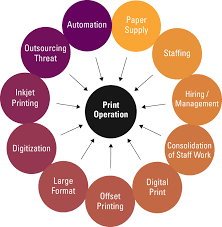
The printing industry is experiencing one of the most exciting transformations in its history. Far from being replaced by digital technology, modern printing has evolved into a highly innovative, technology-driven sector that combines automation, sustainability, personalization, and smart manufacturing. As businesses seek faster production, higher quality, eco-friendly solutions, and customized customer experiences, the printing industry continues to adapt and thrive.
From AI-powered workflows and sustainable printing practices to 3D printing and mass personalization, the latest trends are reshaping how companies produce marketing materials, packaging, textiles, labels, and industrial products.
1. Sustainable Printing Takes Center Stage
Sustainability has become a major priority across industries, and printing is no exception. Customers, governments, and corporations are increasingly demanding environmentally responsible printing solutions.
Key Sustainability Trends
Eco-Friendly Inks
Traditional petroleum-based inks are gradually being replaced by:
- Soy-based inks
- Vegetable-based inks
- Water-based inks
- UV-curable eco-friendly inks
These alternatives reduce harmful emissions while maintaining excellent print quality.
Recycled and Certified Paper
Businesses are choosing:
- FSC-certified paper
- Recycled paper stocks
- Carbon-neutral paper products
This helps reduce environmental impact while meeting sustainability goals.
Waste Reduction Technologies
Modern print facilities are implementing:
- Automated color calibration
- Digital proofing systems
- AI-driven job optimization
These technologies minimize material waste and improve operational efficiency.
Carbon Footprint Tracking
Many print providers now offer carbon reporting services, allowing customers to understand and reduce the environmental impact of their print projects. Why It Matters: Sustainability is no longer a competitive advantage it has become an essential business requirement.
2. Artificial Intelligence Revolutionizes Print Production
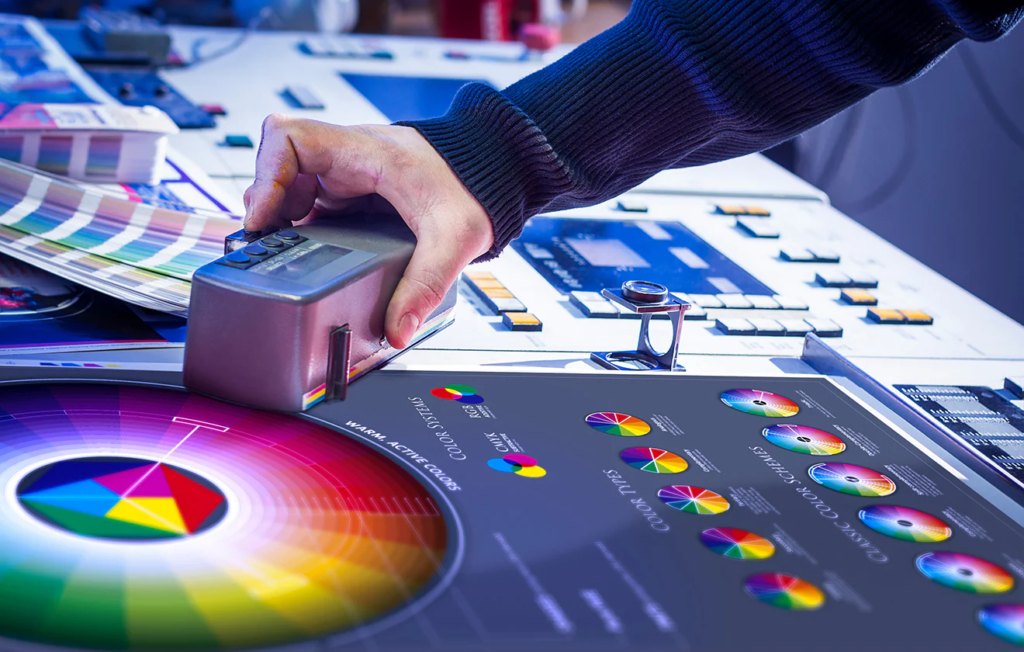
Artificial Intelligence (AI) is transforming nearly every aspect of the printing industry. AI-powered software is helping businesses automate repetitive tasks, improve accuracy, and optimize production schedules.
AI Applications in Printing
Automated Workflow Management
AI can:
- Route jobs automatically
- Schedule production efficiently
- Detect bottlenecks
- Reduce manual intervention
Predictive Maintenance
Smart printing equipment uses AI to predict machine failures before they occur. Benefits include:
- Reduced downtime
- Lower repair costs
- Improved productivity
Intelligent Quality Control
Advanced AI-powered cameras inspect print jobs in real time, identifying:
- Color inconsistencies
- Registration errors
- Print defects
This ensures higher-quality output while reducing waste.
Customer Service Automation
Many print companies now use AI chatbots to:
- Answer customer inquiries
- Generate quotations
- Track orders
- Provide technical support
Industry Impact: AI is helping print providers become faster, smarter, and more cost-effective.
3. Personalized and Variable Data Printing (VDP)
Today’s consumers expect personalized experiences. This demand has fueled rapid growth in Variable Data Printing (VDP), which allows businesses to customize each printed piece without slowing production.
Examples of Personalized Printing
- Personalized direct mail campaigns
- Customized packaging
- Individualized promotional materials
- Targeted marketing brochures
Instead of printing 10,000 identical brochures, companies can create 10,000 unique versions tailored to individual customers.
Benefits
- Higher engagement rates
- Improved customer experience
- Increased conversion rates
- Better marketing ROI
Studies consistently show that personalized print marketing often generates stronger response rates than generic campaigns. Trend Outlook: Hyper-personalization is expected to become a major driver of print marketing success.
4. Digital Printing Continues to Dominate
Digital printing remains one of the fastest-growing segments of the printing industry. Advancements in digital press technology have significantly improved:
- peed
- Color accuracy
- Print quality
- Cost efficiency
Why Digital Printing Is Growing
Short-Run Production
Businesses increasingly require smaller print runs due to changing market demands. Digital printing eliminates costly setup procedures associated with traditional offset printing.
Faster Turnaround Times
Digital workflows allow:
- Same-day printing
- On-demand production
- Quick revisions
Reduced Inventory Costs
Companies can print only what they need when they need it. This reduces storage expenses and minimizes obsolete inventory.
Enhanced Customization
Digital printing seamlessly supports personalized content and variable data applications. Market Trend: Demand for digital printing is expected to continue growing across commercial, packaging, and industrial sectors.
5. Smart Packaging and Interactive Print
Packaging is evolving beyond simple product protection. Brands are now using smart packaging technologies to engage customers and provide valuable information.
Popular Smart Packaging Features

QR Codes
Customers can scan packaging to access:
- Product details
- Tutorials
- Promotions
- Loyalty programs
NFC Technology
Near Field Communication (NFC) enables interactive experiences through smartphones.
Augmented Reality (AR)
AR-enhanced packaging allows customers to:
- View 3D product demonstrations
- Access virtual experiences
- Engage with interactive brand content
Anti-Counterfeit Features
Smart packaging helps verify product authenticity and combat fraud. Why It’s Important: Interactive print bridges the gap between physical and digital experiences.
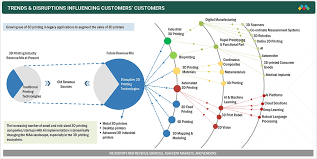
6. 3D Printing Expands Beyond Prototyping
3D printing has moved far beyond its early role as a prototyping tool. Today, additive manufacturing is being used for:
- Healthcare
- Aerospace
- Automotive
- Construction
- Consumer products
Emerging 3D Printing Applications
Medical Innovations
3D printing enables:
- Custom prosthetics
- Dental products
- Surgical models
- Bioprinting research
Industrial Manufacturing
Manufacturers are producing:
- Functional parts
- Complex components
- Lightweight structures
Construction Printing
Large-scale printers are being used to create:
- Homes
- Building components
- Infrastructure elements
Customized Consumer Products
Consumers increasingly demand personalized products, making 3D printing highly attractive. Growth Potential: 3D printing remains one of the most disruptive technologies shaping the future of manufacturing and printing.
7. Web-to-Print Solutions Gain Momentum
Convenience is driving the popularity of web-to-print platforms. Customers want the ability to order print products online with minimal effort.
Benefits of Web-to-Print Technology
24/7 Ordering
Customers can place orders anytime from anywhere.
Automated Proofing
Online systems reduce approval delays and errors.
Template-Based Customization
Businesses can create branded materials while maintaining design consistency.
Streamlined Operations
Automation reduces manual processing and administrative costs. Many commercial printers now consider web-to-print technology essential for business growth. Industry Trend: Online ordering platforms are becoming a standard feature across modern print operations.
8. Automation and Smart Manufacturing
Industry 4.0 technologies are transforming printing facilities into highly efficient smart factories.
Automation Trends
Robotics
Robots are being used for:
- Material handling
- Packaging
- Finishing operations
- Warehouse management
Connected Equipment
Internet of Things (IoT) technology allows machines to communicate and share production data.
Real-Time Monitoring
Managers can monitor equipment performance remotely.
Data-Driven Decision Making
Production analytics help optimize:
- Workflow efficiency
- Resource utilization
- Maintenance schedules Business Advantage: Automation reduces labor costs while increasing productivity and consistency.
9. Growth of Textile and Fabric Printing
The textile printing market is expanding rapidly as fashion brands embrace digital printing technologies.
Why Digital Textile Printing Is Growing
Faster Design Changes
Fashion trends change quickly, and digital printing supports rapid adaptation.
Sustainable Production
Digital textile printing often uses:
- Less water
- Less energy
- Fewer chemicals
Custom Fashion
Consumers increasingly seek personalized apparel and unique designs.
Short Production Runs
Brands can test new products without large inventory investments. The demand for customized clothing and sustainable fashion continues to accelerate growth in this sector.
10. Packaging Printing Experiences Massive Growth
Packaging remains one of the strongest growth segments in the printing industry. E-commerce expansion has significantly increased demand for:
- Corrugated packaging
- Product labels
- Flexible packaging
- Custom shipping materials
Key Packaging Trends
Sustainable Packaging
Consumers favor environmentally friendly packaging options.
Premium Packaging Design
Luxury brands are investing heavily in high-quality printed packaging.
Short-Run Packaging Production
Digital printing allows cost-effective small-batch packaging.
Brand Personalization
Customized packaging enhances customer engagement and brand loyalty.
Market Outlook: Packaging printing is expected to remain a major revenue driver for print companies worldwide.
11. Security Printing Becomes More Advanced
As counterfeiting threats increase, demand for security printing solutions continues to grow.
Security Printing Innovations
Invisible Inks
Special inks help verify authenticity.
Microtext Technology
Tiny printed text is difficult to replicate.
Holographic Features
Holograms provide additional security protection.
Blockchain Integration
Some organizations are exploring blockchain-linked printed authentication systems. Industries benefiting from security printing include:
- Banking
- Government
- Pharmaceuticals
- Luxury goods
12. Data Analytics Drives Smarter Business Decisions
Data has become a powerful asset in the printing industry. Modern print providers use analytics to gain deeper insights into customer behavior and operational performance.
Benefits of Data Analytics
Customer Insights
Understand:
- Purchasing patterns
- Product preferences
- Market trends
Production Optimization
Analyze machine performance and efficiency.
Better Forecasting
Predict demand more accurately.
Increased Profitability
Data-driven decisions improve resource allocation and reduce costs. Companies that leverage analytics effectively gain a significant competitive advantage.
The Future of the Printing Industry
The future of printing is not about choosing between print and digital. Instead, it is about integrating both to create powerful customer experiences. Several technologies will continue shaping the industry:
- Artificial Intelligence
- Machine Learning
- Automation
- Smart Packaging
- Sustainable Manufacturing
- Advanced Digital Printing
- 3D Printing
- Cloud-Based Workflows
Businesses that embrace these innovations will be better positioned to meet changing customer expectations and remain competitive in an increasingly dynamic market. The printing industry in 2026 is more innovative, sustainable, and technology-driven than ever before. Far from declining, print continues to evolve through digital transformation, intelligent automation, personalization, and environmentally responsible practices.
Key trends such as AI-powered workflows, digital printing, sustainable materials, smart packaging, web-to-print solutions, textile printing, and 3D printing are creating exciting opportunities for businesses across the globe. The printing industry is undergoing a remarkable transformation fueled by technology, sustainability, and customer-centric innovation. Trends such as AI-powered workflows, digital printing, variable data printing, automation, smart packaging, web-to-print solutions, and 3D printing are redefining what is possible in modern print production. Understanding these developments helps businesses, marketers, and industry professionals stay ahead of the competition and capitalize on new growth opportunities. As printing continues to evolve, companies that invest in innovation and adaptability will be best positioned for long-term success.
Companies that invest in these emerging technologies can improve efficiency, reduce costs, enhance customer experiences, and unlock new revenue streams. As consumer expectations continue to evolve, the future belongs to print providers that combine creativity, technology, sustainability, and innovation. The printing industry is evolving rapidly with advancements in technology, sustainability initiatives, automation, and customer-focused innovations. Businesses, marketers, manufacturers, and entrepreneurs are increasingly looking for ways to leverage modern printing solutions to stay competitive.
For businesses looking to stay ahead of the competition, understanding and adopting these latest printing industry trends is no longer optional it is essential for long-term success in the rapidly changing world of print.
FAQs.
1. What are the biggest trends shaping the printing industry in 2026?
The biggest trends influencing the printing industry in 2026 include digital printing, artificial intelligence (AI), automation, sustainable printing practices, smart packaging, web-to-print solutions, variable data printing, and 3D printing. These technologies are helping printing companies improve efficiency, reduce costs, enhance customization, and meet growing customer demands for environmentally friendly products. Businesses that adopt these innovations can gain a significant competitive advantage in a rapidly evolving marketplace.
2. How is artificial intelligence transforming the printing industry?
Artificial intelligence is revolutionizing print production by automating workflows, improving quality control, and optimizing machine performance. AI-powered systems can analyze production data, predict equipment maintenance needs, and identify printing defects before they become costly issues. Many print businesses also use AI-driven customer service tools, such as chatbots and automated quote generators, to enhance customer experiences and streamline operations. AI helps companies increase productivity while reducing errors and waste.
3. Why is sustainability becoming so important in printing?
Sustainability has become a top priority because consumers and businesses are increasingly concerned about environmental impact. Printing companies are responding by adopting eco-friendly inks, recycled paper, energy-efficient equipment, and waste-reduction technologies. Governments and regulatory agencies are also encouraging sustainable practices through environmental standards and certifications. Sustainable printing not only helps protect the environment but also improves brand reputation and attracts environmentally conscious customers.
4. What is digital printing, and why is it growing so fast?
Digital printing is a modern printing method that transfers digital files directly onto printing surfaces without the need for traditional printing plates. Its popularity continues to grow because it offers faster turnaround times, lower setup costs, high-quality output, and greater flexibility. Businesses can print small quantities economically, update designs quickly, and create personalized marketing materials. As demand for short-run and on-demand printing increases, digital printing remains one of the fastest-growing segments of the industry.
5. What is variable data printing (VDP)?
Variable Data Printing (VDP) is a technology that allows individual elements such as names, images, addresses, or promotional messages to be customized within a single print run. This enables businesses to create personalized marketing materials for each recipient without slowing production. Personalized direct mail campaigns, customer-specific brochures, and targeted promotional materials are common examples of VDP applications. Studies show that personalized print marketing often achieves higher response and engagement rates than generic materials.
6. How is smart packaging changing the printing industry?
Smart packaging integrates digital technologies into printed packaging materials to create interactive customer experiences. Features such as QR codes, NFC chips, augmented reality (AR), and product authentication tools allow consumers to access additional information, promotional content, or product verification directly from their smartphones. Smart packaging enhances customer engagement, strengthens brand loyalty, and helps businesses differentiate themselves in highly competitive markets.
7. What role does automation play in modern printing?
Automation has become a key driver of efficiency in the printing industry. Automated systems can handle job scheduling, file preparation, color management, finishing processes, and inventory tracking with minimal human intervention. Automation reduces labor costs, improves consistency, minimizes errors, and accelerates production speeds. As labor shortages and operational costs continue to challenge businesses, automation is becoming essential for maintaining profitability and competitiveness.
8. Is 3D printing considered part of the printing industry?
Yes, 3D printing is increasingly recognized as an important segment of the broader printing industry. Unlike traditional printing, which creates images on flat surfaces, 3D printing builds three-dimensional objects layer by layer using specialized materials. Industries such as healthcare, aerospace, automotive, education, and manufacturing use 3D printing for prototyping, custom parts, medical devices, and even construction projects. The technology continues to expand as materials and production capabilities improve.
9. What are the advantages of web-to-print solutions?
Web-to-print solutions allow customers to order printed products through online platforms. These systems provide 24/7 access, instant proofing, template customization, online payment processing, and order tracking. Businesses benefit from streamlined workflows, reduced administrative costs, and improved customer convenience. As online commerce continues to grow, web-to-print technology has become an essential service for many commercial printing companies.
10. How is the packaging printing market growing?
The packaging printing sector is experiencing strong growth due to the expansion of e-commerce, retail branding, and consumer demand for premium packaging experiences. Companies increasingly invest in customized, sustainable, and visually appealing packaging solutions to attract customers and strengthen brand recognition. Digital printing technologies have made it easier and more affordable to produce short-run packaging, seasonal packaging designs, and personalized packaging campaigns.
11. What are eco-friendly inks, and why are they important?
Eco-friendly inks are printing inks designed to reduce environmental impact. Common examples include soy-based inks, vegetable-based inks, water-based inks, and low-VOC UV inks. These alternatives produce fewer harmful emissions compared to traditional petroleum-based inks. Eco-friendly inks support sustainable business practices while maintaining excellent color quality and durability. Many businesses now prefer environmentally responsible printing solutions as part of their sustainability commitments.
12. How does data analytics benefit printing companies?
Data analytics helps printing businesses make more informed decisions by analyzing customer behavior, production performance, and market trends. Companies can use analytics to identify profitable services, improve workflow efficiency, forecast demand, and optimize resource allocation. Real-time performance monitoring also enables faster problem resolution and better equipment utilization. As the industry becomes increasingly data-driven, analytics plays a critical role in improving profitability and operational efficiency.
13. Why is textile printing becoming more popular?
Digital textile printing has gained popularity because it allows fashion brands and manufacturers to produce customized designs quickly and efficiently. Compared to traditional textile printing methods, digital printing often requires less water, energy, and chemical usage. It also enables shorter production runs, rapid design changes, and greater personalization. The growing demand for sustainable fashion and unique consumer products continues to drive expansion in the textile printing market.
14. What is security printing, and where is it used?
Security printing involves specialized techniques designed to prevent counterfeiting and fraud. Common security features include holograms, microtext, invisible inks, watermarks, and serialized numbering systems. Security printing is widely used in banknotes, passports, certificates, pharmaceutical packaging, identification documents, and luxury goods. As counterfeit threats increase globally, businesses and governments continue investing in advanced security printing technologies to protect products and sensitive documents.
15. What does the future of the printing industry look like?
The future of the printing industry is highly promising, driven by innovation, automation, and digital transformation. Emerging technologies such as AI, machine learning, cloud-based workflows, advanced digital presses, smart packaging, and sustainable manufacturing will continue reshaping the industry. Businesses that embrace these trends can improve efficiency, reduce environmental impact, and deliver more personalized customer experiences. Rather than competing with digital media, modern printing increasingly complements digital technologies to create powerful, integrated marketing and communication solutions.
fatimaali3rocket@gmail.comhttps://healthandtechnologies.comhttps://healthandtechnologies.com