
How to Choose the Right Paper for Book Printing 3126:
How to Choose the Right Paper for Book Printing 3126:When it comes to publishing a book, most authors focus on the manuscript, cover design, editing, and marketing. One critical factor that can dramatically influence a reader’s experience is often overlooked: paper selection. The right paper can elevate your book from ordinary to exceptional, while the wrong choice can affect readability, durability, print quality, and even sales.
Whether you’re self-publishing a novel, producing a children’s book, printing a photography collection, or publishing a business guide, understanding how to choose the right paper for book printing is essential. In today’s competitive publishing landscape, readers expect a professional product that feels as good as it looks.
These comprehensive notes collect everything you need to know about selecting the perfect paper for your book, including paper types, weights, finishes, sustainability trends, printing considerations, and expert recommendations for 2026.
The importance of selecting the right paper for book printing
Paper is more than just a surface for ink. It directly impacts:
- Reading comfort
- Image quality
- Book durability
- Printing costs
- Shipping expenses
- Overall customer satisfaction
A premium paper stock can make a book feel luxurious and valuable, while poor-quality paper may create a negative impression regardless of the content. For publishers, authors, and businesses, choosing the right paper is a strategic decision that affects both production quality and profitability.
Understanding Book Printing Paper Basics
Before selecting paper, it’s important to understand the key characteristics that influence performance and appearance.
Paper Weight
Paper weight refers to the thickness and density of the paper. Common book printing paper weights include:
- 60 GSM (lightweight)
- 70 GSM
- 80 GSM
- 90 GSM
- 100 GSM
- 120 GSM
- 150 GSM and above
GSM stands for grams per square meter, a standard measurement used worldwide.
Generally:
- Lower GSM = lighter and thinner paper
- Higher GSM = thicker and heavier paper
Paper Opacity
Opacity measures how much light passes through paper. Higher opacity means:
- Less show-through
- Better readability
- More professional appearance
Low-opacity paper may make text on the opposite side of the page visible, which can distract readers. For most books, high-opacity paper is preferred.
Brightness
Brightness affects how white and reflective the paper appears. Benefits of higher brightness:
- Sharper text
- Better image reproduction
- Enhanced contrast
Extremely bright paper can sometimes cause eye strain during long reading sessions.
Paper Finish
The finish determines the paper’s texture and appearance. Popular finishes include:
- Matte
- Glossy
- Satin
- Uncoated
Each serves a different purpose depending on the book type.
Types of Paper Used for Book Printing
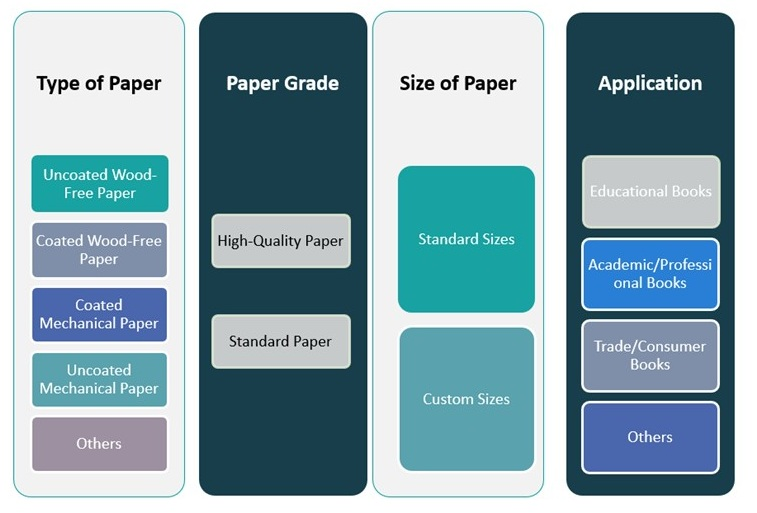
Understanding paper categories helps you make informed decisions.
Uncoated Paper
Uncoated paper has a natural, non-reflective surface. Advantages:
- Easy to read
- Minimal glare
- Traditional book feel
- Cost-effective
Common uses:
- Novels
- Educational books
- Non-fiction books
- Academic publications
Many bestselling fiction books are printed on uncoated paper.
Coated Paper
Coated paper includes a surface treatment that improves image reproduction.
Benefits:
- Vibrant colors
- Sharp graphics
- Enhanced photo quality
Common applications:
- Art books
- Photography books
- Cookbooks
- Children’s books
- Coffee table books
Matte-Coated Paper
Matte-coated paper provides a smooth surface without excessive shine. Advantages:
- Professional appearance
- Reduced glare
- Excellent image quality
Many premium publishers prefer matte finishes for high-end publications.
Gloss-Coated Paper
Gloss-coated paper produces vibrant colors and striking images.
Best for:
- Photo books
- Fashion publications
- Design portfolios
- Marketing books
The reflective surface enhances visual impact.
Choosing Paper Based on Book Type
Different books require different paper characteristics.
Fiction Books
Readers often spend hours reading novels. Recommended paper:
- Cream uncoated paper
- 70–90 GSM
- High opacity
Benefits:
- Comfortable reading experience
- Reduced eye fatigue
- Classic appearance
Cream-colored paper is particularly popular for fiction because it creates a warm reading environment.
Non-Fiction Books
Business books, biographies, and self-help guides require clear readability. Recommended paper:
- White uncoated paper
- 80–100 GSM
Benefits:
- Sharp text
- Professional look
- Easy note-taking
Children’s Books
Children’s books rely heavily on colorful illustrations. Recommended paper:
- Gloss or matte-coated paper
- 120–170 GSM
Benefits:
- Rich color reproduction
- Durability
- Improved image quality
Thicker pages also resist tearing.
Photography Books
Photography books demand exceptional image reproduction. Recommended paper:
- Premium gloss-coated paper
- 150–200 GSM
Benefits:
- Vibrant colors
- Sharp details
- Professional presentation
Art Books
Art publications require museum-quality printing.
Recommended paper:
- High-quality matte-coated paper
- 150–200 GSM
Benefits:
- Accurate color representation
- Premium appearance
- Superior image clarity
Cookbooks
Cookbooks experience frequent handling. Recommended paper:
- Matte-coated paper
- 100–150 GSM
Benefits:
- Easy cleaning
- Excellent photo quality
- Increased durability
White Paper vs Cream Paper
One of the most common book printing decisions involves choosing between white and cream paper.
White Paper
Advantages:
- Modern appearance
- Excellent contrast
- Ideal for technical books
- Better image reproduction
Common uses:
- Textbooks
- Business books
- Manuals
- Educational materials
- Cream Paper
Advantages:
- Softer reading experience
- Reduced eye strain
- Traditional aesthetic
Common uses:
- Novels
- Literary fiction
- Memoirs
Many readers prefer cream paper for extended reading sessions.
Paper Thickness and Book Spine Width
Paper thickness influences the final dimensions of a printed book.
Thicker paper:
- Creates wider spines
- Increases weight
- Raises shipping costs
Thinner paper:
- Reduces production expenses
- Lowers shipping costs
- Produces lighter books
Publishers must balance appearance, functionality, and budget.
How Paper Affects Printing Costs
Paper is often one of the largest expenses in book production. Factors influencing cost:
Paper Weight
Higher GSM generally costs more.
Coating
Coated stocks are usually more expensive than uncoated options.
Paper Quality
Premium paper grades increase production costs.
Sustainability Certifications
Eco-friendly papers may have higher prices but add market value. Careful paper selection helps optimize profitability.
Sustainable Paper Trends in 2026
Sustainability is becoming increasingly important in publishing. Modern readers often prefer environmentally responsible products.
FSC-Certified Paper
The Forest Stewardship Council (FSC) certifies paper sourced from responsibly managed forests.
Benefits:
- Environmental responsibility
- Consumer trust
- Strong brand reputation
Recycled Paper
Recycled paper reduces environmental impact. Advantages:
- Conserves natural resources
- Reduces landfill waste
- Supports sustainable publishing
Modern recycled papers often match the quality of virgin paper.
Carbon-Neutral Printing
Many publishers now partner with printers offering:
- Carbon offset programs
- Renewable energy usage
- Sustainable production processes
Eco-conscious printing is becoming a major competitive advantage.
Print-on-Demand and Paper Selection
The rise of print-on-demand (POD) services has transformed publishing. Popular POD platforms include:
- Amazon KDP
- IngramSpark
- Lulu
- Blurb
These platforms offer limited but carefully selected paper options optimized for quality and efficiency.
When using POD:
- Review available paper stocks
- Order proof copies
- Test image quality
- Evaluate readability
Never publish without inspecting a physical sample.
Common Paper Selection Mistakes
Avoid these costly errors.
Choosing Paper Solely Based on Price
Cheaper paper can reduce quality and customer satisfaction. Balance cost with performance.
Ignoring Opacity
Thin paper with poor opacity may create distracting show-through. Always request paper specifications.
Using Glossy Paper for Text-Heavy Books
Excessive glare can reduce reading comfort. Gloss works best for image-focused publications.
Selecting Heavy Paper Unnecessarily
Thicker isn’t always better. Extra weight increases:
- Printing costs
- Shipping fees
- Storage expenses
Choose the paper that best matches your book’s purpose.
Questions to Ask Your Printer
Before finalizing your order, ask:
- What paper options are available?
- What GSM do you recommend?
- Is FSC-certified paper available?
- Can I receive paper samples?
- What is the paper opacity rating?
- Will the paper work well with my images?
- How does paper choice affect shipping costs?
- Are recycled paper options available?
A knowledgeable printer can provide valuable guidance.
Best Paper Recommendations for Different Publishing Projects
| Book Type | Recommended Paper |
| Novels | 70–90 GSM Cream Uncoated |
| Business Books | 80–100 GSM White Uncoated |
| Textbooks | 90–120 GSM White Uncoated |
| Children’s Books | 120–170 GSM Coated |
| Cookbooks | 100–150 GSM Matte Coated |
| Photography Books | 150–200 GSM Gloss Coated |
| Art Books | 150–200 GSM Matte Coated |
| Magazines | 90–150 GSM Coated |
This table serves as a practical starting point for authors and publishers.
Future Innovations in Book Printing Paper
The publishing industry continues to evolve. Emerging developments include:
Smart Paper Technology
Interactive printed materials with digital integration.
Sustainable Fiber Alternatives
Papers made from:
- Bamboo
- Hemp
- Agricultural waste
Improved Recycled Stocks
Higher-quality recycled papers that match traditional paper performance.
Eco-Friendly Coatings
New coatings designed to reduce environmental impact while maintaining premium print quality. These innovations are shaping the future of publishing. Choosing the right paper for book printing is one of the most important decisions in the publishing process. The ideal paper enhances readability, improves print quality, supports your brand image, and ensures a satisfying reader experience.
For text-heavy books, uncoated paper often provides the best reading comfort. For image-rich publications such as photography books, children’s books, and art collections, coated paper delivers superior visual results. As publishing trends evolve in 2026, sustainability, print-on-demand flexibility, and premium reader experiences are becoming increasingly important. By carefully evaluating paper weight, opacity, brightness, finish, and environmental certifications, authors and publishers can create books that stand out in a competitive market.
A well-written book deserves equally thoughtful production choices. Selecting the right paper is a crucial step toward producing a professional, memorable, and successful publication that readers will appreciate from the moment they turn the first page. Picking the right paper for book printing is a crucial step in producing a professional and successful publication. Factors such as paper weight, opacity, finish, durability, sustainability, and cost should all be carefully considered before making a final decision. Whether you’re printing a novel, textbook, children’s book, cookbook, photography collection, or business publication, selecting the appropriate paper enhances both the reader’s experience and the overall value of your book.
FAQs.
Selecting the right paper for book printing can significantly impact your book’s appearance, readability, durability, and overall production cost. So, you’re a self-published author, traditional publisher, educator, or business owner; understanding paper options is essential for creating a professional-quality book. Below are 20 often asked questions that will help you make informed decisions when choosing paper for your next book printing project.
1. Why is paper selection important in book printing?
Paper selection affects nearly every aspect of a printed book, including readability, image quality, durability, weight, and printing costs. The right paper enhances the reader’s experience, while poor paper choices can make a book feel cheap, difficult to read, or less durable.
2. What is GSM in paper printing?
GSM stands for Grams per Square Meter, which measures the weight and thickness of paper. A higher GSM generally indicates thicker and heavier paper. Common book paper weights range from 70 GSM for novels to 200 GSM for premium photography books.
3. What paper weight is best for novels?
Most novels are printed on 70 GSM to 90 GSM uncoated paper. This weight provides a comfortable reading experience, reduces book weight, and keeps printing costs manageable while maintaining sufficient opacity.
4. Should I choose white or cream paper for my book?
The choice depends on the book type: Cream paper is popular for novels, fiction, and literary works because it reduces eye strain. White paper is preferred for textbooks, business books, manuals, and image-heavy content because it provides higher contrast and sharper visuals.
5. What is paper opacity, and why does it matter?
Opacity refers to how much light passes through a sheet of paper. Higher opacity prevents text and images from showing through from the opposite side of the page, improving readability and creating a more professional appearance.
6. What is the difference between coated and uncoated paper?
Coated paper has a smooth surface treatment that improves image reproduction and color vibrancy. Uncoated paper has a natural texture that is easier on the eyes and commonly used for text-heavy books. The choice depends on your book’s content and design.
7. Which paper is best for books with photographs?
Photography books typically require gloss-coated or premium matte-coated paper between 150 GSM and 200 GSM. These papers provide excellent image sharpness, color accuracy, and visual appeal.
8. What paper is recommended for children’s books?
Children’s books often use 120 GSM to 170 GSM coated paper. The thicker pages improve durability and support vibrant illustrations that capture young readers’ attention.
9. Is glossy paper suitable for all books?
No. Glossy paper is ideal for image-rich books such as photography collections, magazines, and art books. However, it may create glare and reduce reading comfort in text-heavy books like novels and educational materials.
10. What is matte paper, and when should I use it?
Matte paper has a smooth, non-reflective finish that combines excellent image quality with reduced glare. It is widely used for cookbooks, art books, corporate publications, and premium-quality printed materials.
11. Does thicker paper mean better quality?
Not necessarily. While thicker paper can feel more premium, the best paper depends on the book’s purpose. Excessively thick paper may increase printing and shipping costs without providing meaningful benefits for text-heavy books.
12. How does paper choice affect printing costs?
Paper is one of the largest expenses in book production. Costs increase based on:
- Paper weight
- Paper quality
- Coatings
- Special finishes
- Sustainability certifications
Choosing the right balance between quality and budget is essential.
13. What is FSC-certified paper?
FSC (Forest Stewardship Council) certified paper comes from responsibly managed forests that meet environmental, social, and economic standards. Many publishers choose FSC-certified paper to demonstrate their commitment to sustainability.
14. Is recycled paper suitable for professional book printing?
Yes. Modern recycled papers offer excellent print quality and durability. Advances in manufacturing have significantly improved recycled paper performance, making it a viable option for both commercial and premium book printing.
15. What paper is best for textbooks and educational materials?
Textbooks are commonly printed on 80 GSM to 120 GSM white uncoated paper. This provides durability, readability, and sufficient opacity while keeping books reasonably lightweight. By understanding the various paper options available and staying informed about the latest industry trends, authors and publishers can create high-quality books that stand out in today’s competitive publishing landscape.
16. How does paper choice affect book durability?
Higher-quality paper generally offers better resistance to tearing, yellowing, and wear over time. Books intended for frequent handling, such as children’s books, manuals, and cookbooks, often benefit from thicker and more durable paper stocks.
17. What paper options are available for print-on-demand books?
Print-on-demand platforms such as Amazon KDP and IngramSpark typically offer:
- White paper
- Cream paper
- Standard color paper
- Premium color paper
The available options vary by provider and book format.
18. Should I request paper samples before printing?
Absolutely. Reviewing physical paper samples allows you to evaluate:
- Texture
- Thickness
- Color
- Opacity
- Print quality
Seeing and feeling the paper firsthand helps prevent costly mistakes and ensures the final product meets expectations.
19. How does paper influence the reader’s experience?
Paper affects how a book feels, looks, and reads. The right paper improves readability, enhances images, reduces eye fatigue, and creates a more enjoyable and professional reading experience. Readers often associate paper quality with the overall value of a book.
20. What are the latest trends in book printing paper for 2026?
Several important trends are shaping the publishing industry:
Sustainable Materials
Publishers increasingly use FSC-certified, recycled, and eco-friendly paper stocks.
Print-on-Demand Growth
On-demand printing reduces waste and allows authors to print only the copies they need.
Premium Reader Experiences
Many publishers are investing in higher-quality paper to differentiate their books in competitive markets.
Alternative Fiber Papers
New papers made from bamboo, hemp, and agricultural waste are gaining popularity as sustainable alternatives to traditional wood pulp paper.
Eco-Friendly Coatings
Modern coatings offer excellent print quality while reducing environmental impact. These trends reflect growing consumer demand for sustainability, quality, and innovation in publishing.
fatimaali3rocket @gmail.comhttps://healthandtechnologies.comhttps://healthandtechnologies.com