
Best Cost Factors in Printing a Book 3126:
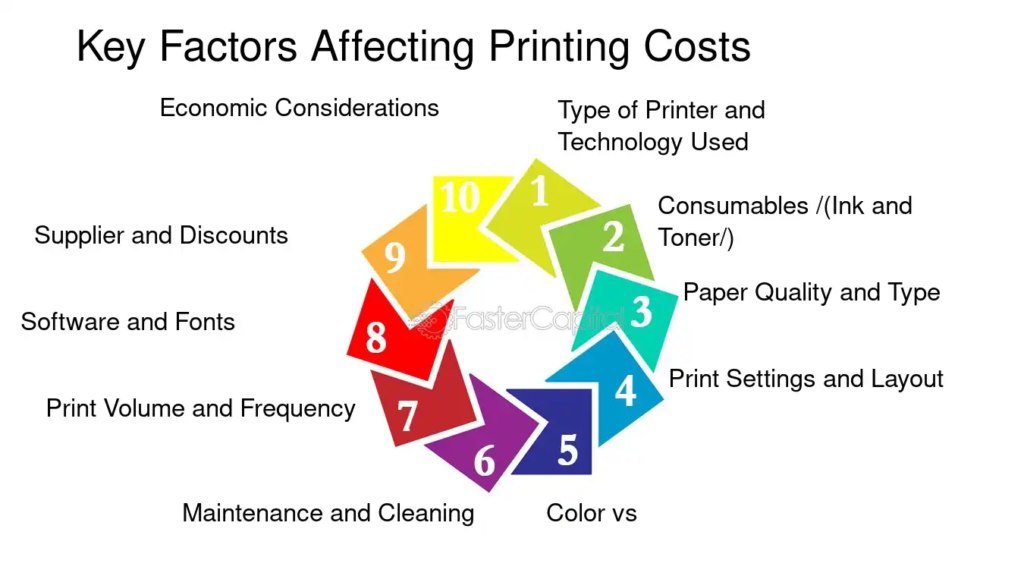
Printing a book is one of the most important investments an author or publisher makes during the publishing process. Whether you are self-publishing a novel, business guide, educational workbook, or children’s book, understanding printing costs is essential for budgeting, pricing, and profitability. Many new authors underestimate how many factors influence book printing expenses. The final cost is not determined by printing alone. Elements such as paper quality, trim size, page count, color printing, binding type, cover finish, printing quantity, and shipping all affect the overall budget.
In today’s publishing industry, authors have more printing options than ever before. While this creates flexibility, it also makes decision-making more complex. Choosing the right balance between quality and affordability is critical for long-term success.
Why Understanding Printing Costs Matters
Printing costs directly impact:
- Book pricing
- Profit margins
- Retail competitiveness
- Publishing budgets
- Marketing plans
- Reader perception
Poor budgeting can lead to financial losses or overpriced books that struggle to sell. Understanding printing expenses helps authors make smarter publishing decisions.
Book Length and Page Count
One of the biggest printing cost factors is page count. More pages required:
- More paper
- More ink
- Longer production time
- Higher shipping costs
How Page Count Affects Pricing
Short Books
Lower production costs and cheaper shipping.
Long Books
Higher manufacturing expenses, but sometimes higher perceived value. Authors can reduce unnecessary printing costs by editing carefully and removing filler content. Professional editing not only improves readability but can also reduce production expenses.
Paper Quality and Type
Paper selection significantly affects book pricing and reader experience.
Common Paper Types
Uncoated Paper
Often used for novels and text-heavy books.
Advantages:
- Affordable
- Comfortable for reading
- Lightweight
Coated Paper
Common in photography books, cookbooks, and magazines.
Advantages:
- Better image quality
- Glossy appearance
- More vibrant colors ,coated paper is more expensive.
Paper Weight Matters
Heavier paper increases:
- Printing costs
- Shipping weight
- Production expenses
Choosing the right balance between quality and affordability is essential.
Black and White vs Color Printing
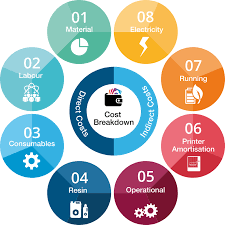
Color printing dramatically affects total cost.
Black and White Printing
Best for:
- Novels
- Memoirs
- Most non-fiction books
Advantages:
- Lower ink costs
- Faster printing
- Affordable production
Full-Color Printing
Best for:
- Children’s books
- Art books
- Photography books
- Cookbooks
Advantages:
- Strong visual appeal
- Higher perceived value
Disadvantages:
- Significantly higher printing costs
Color pages require more ink and specialized printing processes.
Book Size and Trim Dimensions
Trim size refers to the final dimensions of the printed book.
Larger books cost more because they require:
- More paper
- Larger covers
- Higher shipping expenses
Common Trim Sizes
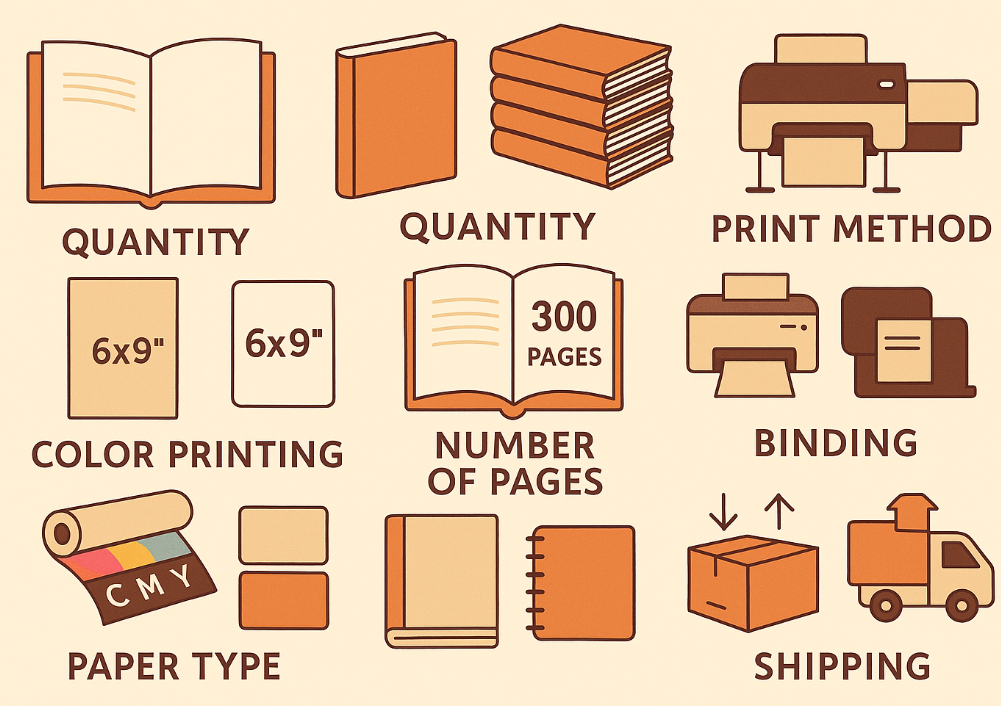
5” x 8”
Popular for fiction books.
6” x 9”
Common for non-fiction and business books.
8.5” x 11”
Used for manuals and educational books.
Choosing standard trim sizes often reduces printing costs because printers already optimize for these dimensions.
Cover Design and Finishing
Book covers strongly influence reader perception. advanced cover features increase production expenses.
Cover Cost Factors
Matte Finish
Elegant and modern appearance.
Glossy Finish
Bright colors and shiny texture.
Embossing
Raised text or images increase a luxury feel.
Foil Stamping
Metallic effects add a premium appearance.
Spot UV
Highlights specific areas with shine.
Special finishes improve visual appeal but increase manufacturing costs.
Binding Type
Binding affects durability, appearance, and pricing.
Common Binding Options
Perfect Binding
Popular for paperback books.
Affordable and professional.
Hardcover Binding
More durable and premium-looking.
However, hardcover printing costs are significantly higher.
Spiral Binding
Common for workbooks and manuals.
Saddle Stitch Binding
Used for short booklets or magazines.
The binding choice should align with audience expectations and budget goals.
Printing Method: Offset vs Print-on-Demand
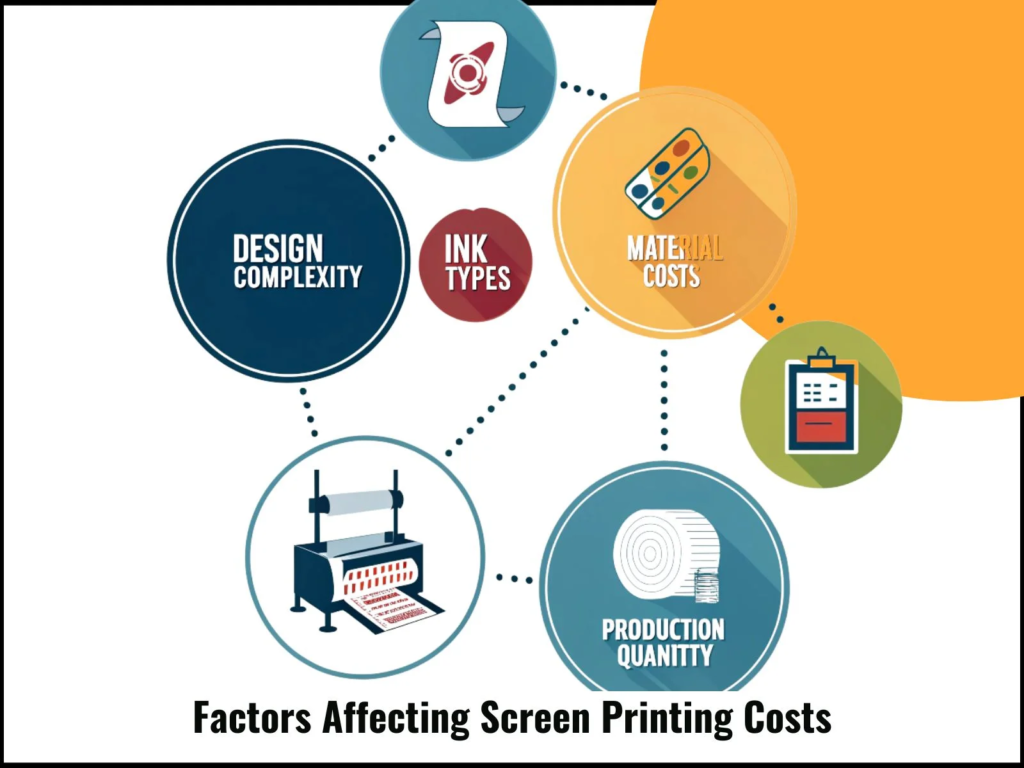
Printing technology strongly impacts cost structure.
Offset Printing
Best for large print runs.
Advantages:
- Lower cost per unit
- Higher print quality
- Better for bulk orders
Disadvantages:
- High upfront investment
- Requires storage space
Print-on-Demand (POD)
Books are printed only when ordered.
Advantages:
- No inventory required
- Lower upfront risk
- Easier for self-published authors
Disadvantages:
- Higher cost per copy
- Lower profit margins
Choosing the right method depends on sales expectations and budget.
Quantity Ordered
Bulk printing usually reduces the cost per book.
Small Print Runs
Advantages:
- Lower initial investment
- Reduced storage needs
Disadvantages:
- Higher per-unit cost
Large Print Runs
Advantages:
- Lower per-book price
- Higher profit potential
Disadvantages:
- Storage costs
- Financial risk if books do not sell
Estimating realistic demand is important before ordering large quantities.
Shipping and Distribution Costs
Shipping is often underestimated by new authors.
Heavy books cost more to transport.
Factors Affecting Shipping Costs
- Book weight
- Print quantity
- Packaging materials
- Shipping distance
- International distribution
Hardcover books and large-format books increase shipping expenses significantly.
Digital publishing eliminates these costs entirely.
ISBN and Barcode Expenses
Professional publishing requires ISBNs and barcodes.
ISBN Costs
ISBNs help bookstores and online retailers identify books.
Some platforms provide free ISBNs, while others require purchase.
Barcode Costs
Barcodes are necessary for retail distribution.
These small expenses still contribute to the total publishing budget.
Editing and Formatting Costs
Although not directly part of printing, these services are essential for production quality.
Editing Services
Developmental Editing
Improves structure and content.
Copy Editing
Fixes grammar and clarity.
Proofreading
Removes final errors.
Formatting Costs
Professional formatting ensures:
- Proper margins
- Readable typography
- Print compatibility
- Professional presentation
Poor formatting can increase printing errors and reader complaints.
Design and Illustration Expenses
Visual content affects printing costs significantly.
Additional Design Costs
- Custom illustrations
- Interior graphics
- Charts and diagrams
- Professional typography
- Layout design
Illustrated books require larger production budgets than text-only books.
Marketing and Promotional Materials
Many authors forget to include marketing costs in their printing budget.
Common Promotional Expenses
- Bookmarks
- Posters
- Author copies
- Advertising materials
- Review copies
Printing promotional items adds to total publishing expenses.

How to Reduce Book Printing Costs
Professional publishing does not always require massive spending.
Actionable Cost-Saving Strategies
Use Standard Trim Sizes
Reduces manufacturing complexity.
Limit Unnecessary Color Pages
Use color strategically.
Choose Print-on-Demand Initially
Reduces financial risk.
Simplify Cover Finishes
Avoid expensive premium effects unless necessary.
Edit Carefully
Reducing page count lowers printing expenses.
Compare Multiple Printers
Pricing varies between companies.
Print Realistic Quantities
Avoid overproduction.
Smart planning helps control costs effectively.
Self-Publishing vs Traditional Publishing Costs
Cost responsibility differs depending on publishing method.
Traditional Publishing
Publishers usually handle:
- Printing
- Distribution
- Editing
- Cover design
However, authors receive lower royalties.
Self-Publishing
Authors control:
- Creative decisions
- Budget
- Printing quality
- Marketing
But they also pay upfront expenses.
Self-publishing offers flexibility but requires careful financial planning.
Digital Publishing as a Cost Alternative
eBooks eliminate many printing expenses.
Benefits of Digital Publishing
- No paper costs
- No shipping expenses
- Lower production budget
- Faster publishing
- Global distribution
However, many readers still prefer physical books.
Many successful authors publish both print and digital versions.
SEO Tips for Authors Selling Printed Books
Online visibility matters for book sales.
SEO-Friendly Strategies
Use Searchable Keywords
Examples:
- Book printing costs
- Self-publishing expenses
- Affordable book printing
- Print-on-demand books
- Book production guide
Optimize Product Descriptions
Clear descriptions improve discoverability.
Use Author Websites
Websites increase visibility and branding.
Create Helpful Blog Content
Educational content attracts readers organically.
SEO supports long-term book marketing success.
Common Printing Mistakes to Avoid
Major Costly Mistakes
Choosing the Wrong Paper
Can increase expenses unnecessarily.
Printing Too Many Copies
Creates storage and financial problems.
Ignoring Shipping Costs
Can reduce profits unexpectedly.
Skipping Professional Editing
Poor quality damages reputation.
Using Low-Quality Images
Creates printing issues.
Avoiding these mistakes saves money and improves professionalism. Understanding the cost factors in printing a book is essential for every author and publisher. Printing expenses depend on many variables, including page count, paper quality, color printing, trim size, binding, quantity, shipping, and design choices.
Professional publishing requires balancing quality, affordability, and reader expectations carefully. Smart planning can reduce unnecessary costs while maintaining a polished and professional final product. choose self-publishing, traditional publishing, offset printing, or print-on-demand, informed decisions improve both profitability and reader satisfaction.
FAQs.
1. What are the main cost factors in printing a book?
The main cost factors include page count, paper quality, book size, color printing, binding type, cover finish, printing quantity, and shipping expenses.
2. How does page count affect book printing costs?
Higher page counts increase paper usage, ink consumption, printing time, and shipping weight, which raises the overall printing cost.
3. Is color printing more expensive than black-and-white printing?
Yes, color printing is significantly more expensive because it requires more ink, specialized printing processes, and higher production quality.
4. What is the cheapest book binding option?
Perfect binding is one of the most affordable and commonly used binding methods for paperback books.
5. How can authors reduce book printing costs?
Authors can reduce costs by choosing standard trim sizes, limiting color pages, using print-on-demand services, simplifying cover finishes, and carefully editing content to reduce page count.
6. What is print-on-demand publishing?
Print-on-demand (POD) is a publishing method where books are printed only after a customer places an order, reducing inventory and upfront printing costs.
7. Does paper quality affect book printing prices?
Yes, higher-quality and heavier paper increases production and shipping costs, while standard paper options are usually more affordable.
8. Why do hardcover books cost more to print?
Hardcover books require stronger materials, additional binding processes, and premium finishes, making them more expensive than paperbacks.
9. Are shipping costs important in book printing?
Yes, shipping costs can significantly affect the total budget, especially for large print runs, hardcover books, or international distribution.
10. Is self-publishing more expensive than traditional publishing?
Self-publishing often requires authors to cover printing, editing, formatting, and marketing expenses upfront, while traditional publishers usually handle those costs in exchange for a share of royalties.
fatimaali3rocket@gmail.comhttps://healthandtechnologies.comhttps://healthandtechnologies.com