
Signs of Colon Cancer and the Role of AI Screening 3126:
Signs of Colon Cancer and the Role of AI Screening 3126:Discover the early symptoms of colon cancer, the latest global research, and how AI-powered screening is transforming early detection, diagnosis, and treatment. Learn about advanced diagnostic and treatment capabilities improving survival rates worldwide. Colon cancer, also known as colorectal cancer when it includes cancers of the rectum, remains one of the most common and deadly cancers worldwide.
According to recent global health research from organizations such as the World Health Organization (WHO), the International Agency for Research on Cancer (IARC), and leading cancer institutes, colorectal cancer is among the top causes of cancer-related deaths globally. However, it is also one of the most preventable and treatable cancers when detected early.
In recent years, artificial intelligence (AI) has emerged as a groundbreaking tool in cancer screening and diagnosis. AI-powered technologies are helping physicians identify suspicious lesions, improve colonoscopy accuracy, and detect cancer at earlier stages than ever before. Combined with advanced diagnostic and treatment capabilities, AI is reshaping the future of colorectal cancer care.
Understanding Colon Cancer
Colon cancer develops when abnormal cells in the lining of the colon begin to grow uncontrollably. Most colon cancers start as small, noncancerous growths called polyps. Over time, some polyps can become cancerous if they are not detected and removed.
One of the greatest challenges in colorectal cancer prevention is that early-stage disease often produces few or no symptoms. This makes regular screening essential, especially for individuals over the age of 45 or those with significant risk factors.
Early Symptoms of Colon Cancer
Recognizing warning signs can lead to earlier diagnosis and better treatment outcomes. While symptoms may vary among individuals, several common indicators should never be ignored.
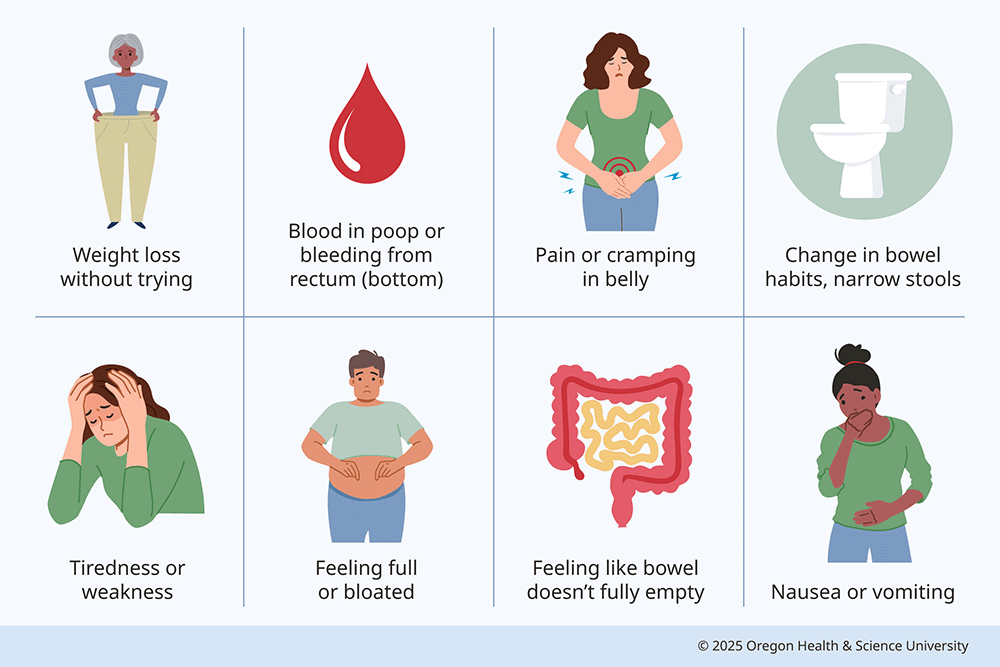
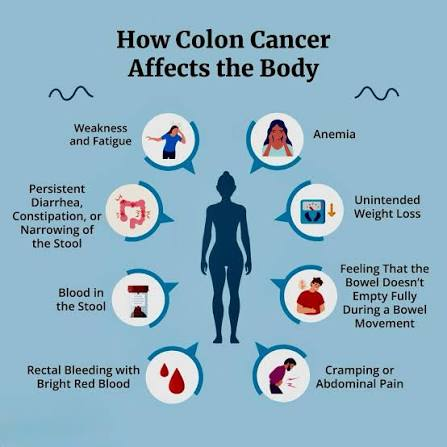
1. Persistent Changes in Bowel Habits
One of the earliest and most frequently reported symptoms is a noticeable change in bowel movements.
These changes may include:
- Persistent diarrhea
- Chronic constipation
- Narrow or ribbon-like stools
- Frequent urges to have bowel movements
- Feeling that the bowel does not empty completely
Symptoms lasting longer than a few weeks warrant medical evaluation.
2. Blood in the Stool
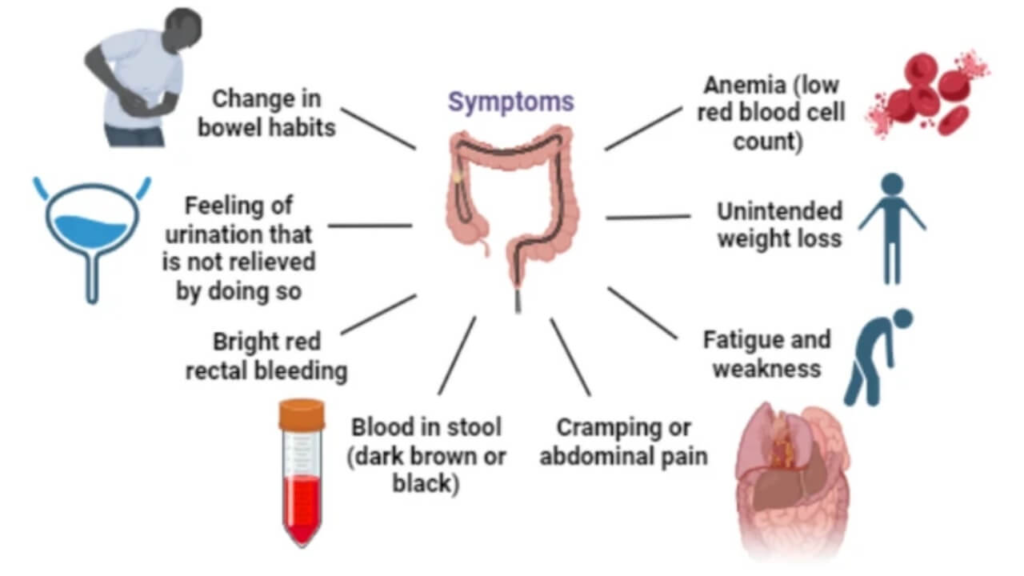
Blood in the stool is a significant warning sign.
Blood may appear as:
- Bright red blood
- Dark maroon blood
- Black, tarry stools
Although hemorrhoids can also cause rectal bleeding, any unexplained blood should be investigated promptly.
3. Abdominal Pain and Cramping
Persistent abdominal discomfort may indicate a developing tumor. Symptoms can include:
- Cramping
- Gas pain
- Bloating
- Fullness
- Abdominal tenderness
As the tumor grows, it may partially obstruct the bowel, leading to worsening discomfort.
4. Unexplained Weight Loss
Sudden and unexplained weight loss is a concerning symptom associated with many cancers, including colon cancer. Cancer cells can alter metabolism and cause chronic inflammation, leading to weight reduction without changes in diet or exercise.
5. Fatigue and Weakness
Many patients experience ongoing fatigue due to slow blood loss from tumors. This can result in:
- Iron-deficiency anemia
- Reduced oxygen delivery to tissues
- Persistent tiredness
- Weakness
- Dizziness
Fatigue that does not improve with rest should not be ignored.
6. Anemia
Research increasingly highlights iron-deficiency anemia as a potential early indicator of colorectal cancer, particularly in adults over 50. Symptoms may include:
- Pale skin
- Shortness of breath
- Lightheadedness
- Fatigue
Blood tests often reveal anemia before other symptoms become apparent.
7. Rectal Bleeding
Rectal bleeding can occur independently of visible blood in stool. Many patients initially assume bleeding is caused by hemorrhoids, delaying diagnosis. Persistent or recurring bleeding should always be evaluated by a healthcare professional.
Major Risk Factors for Colon Cancer
According to recent international studies, several factors increase colon cancer risk.
Age
Risk increases significantly after age 45. This trend has led many health organizations to lower recommended screening ages.
Family History
Individuals with a first-degree relative diagnosed with colorectal cancer face a higher risk.
Hereditary Conditions
Inherited conditions include:
- Lynch syndrome
- Familial adenomatous polyposis (FAP)
These conditions significantly increase lifetime cancer risk.
Lifestyle Factors
Modern research consistently identifies:
- Smoking
- Heavy alcohol use
- Obesity
- Physical inactivity
- High consumption of processed meats
as major contributors to colorectal cancer development.
Inflammatory Bowel Disease
People with:
- Ulcerative colitis
- Crohn’s disease
require closer surveillance due to increased risk.
Latest Global Research on Colon Cancer
Recent studies reveal several important trends.
Rising Cases Among Younger Adults
A growing concern worldwide is the increasing incidence of colorectal cancer among individuals under 50.
Researchers are investigating possible causes, including:
- Dietary changes
- Obesity
- Gut microbiome alterations
- Sedentary lifestyles
- Environmental exposures
This trend has prompted updated screening recommendations in many countries.
Importance of Early Detection
Research consistently shows that early-stage colorectal cancer has significantly higher survival rates. Five-year survival rates can exceed 90% when cancer is detected before it spreads beyond the colon. Unfortunately, survival drops substantially in advanced-stage disease, emphasizing the importance of screening.
The Revolutionary Role of AI Screening
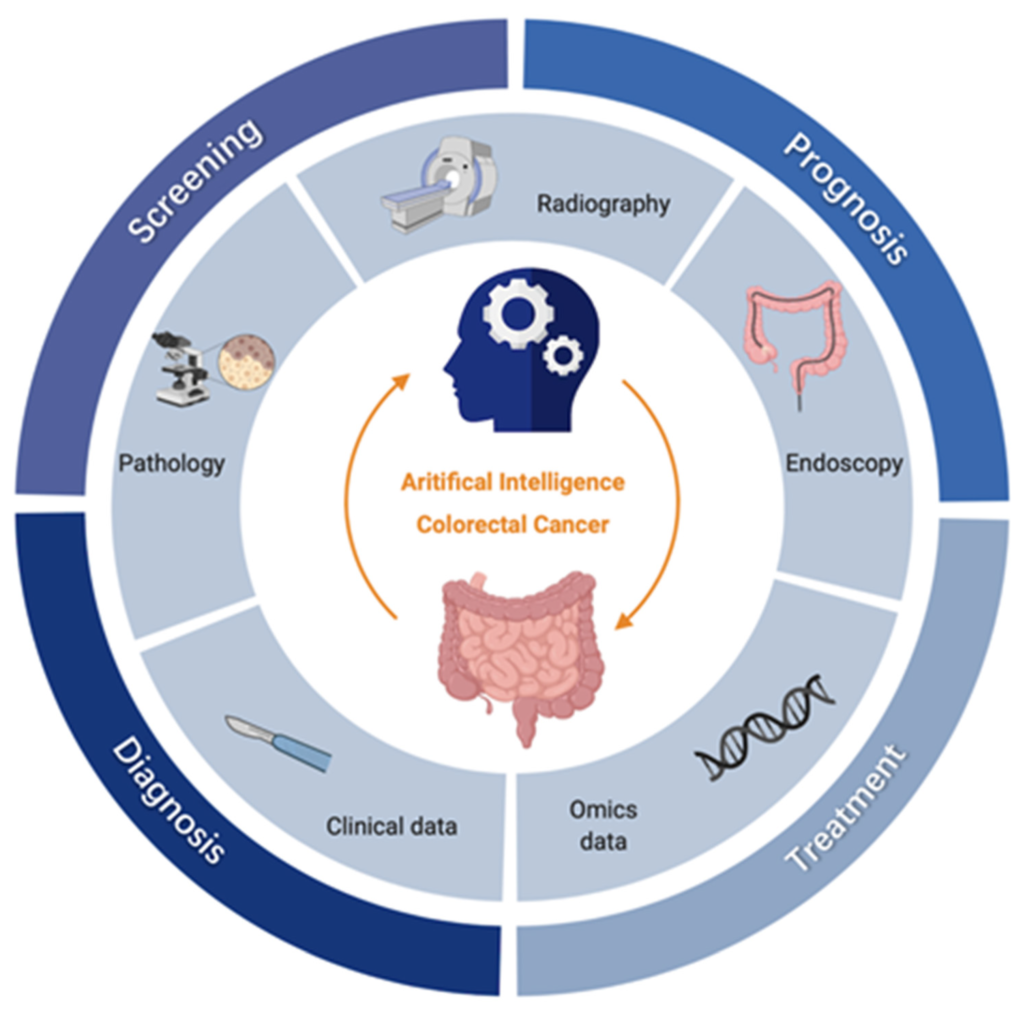
Artificial intelligence is rapidly transforming colorectal cancer detection. AI systems use advanced algorithms and machine learning models to analyze medical images, identify abnormalities, and support clinical decision-making.
What Is AI Screening?
AI screening involves computer systems trained on vast datasets of colonoscopy images, pathology slides, CT scans, and patient records. These systems learn to recognize:
- Polyps
- Precancerous lesions
- Cancerous growths
- Tissue abnormalities
often with remarkable accuracy.
AI-Assisted Colonoscopy
One of the most impactful developments is AI-assisted colonoscopy. Traditional colonoscopy remains the gold standard for colorectal cancer screening. So, studies show that even experienced endoscopists may occasionally miss small polyps. AI systems provide real-time assistance by:
- Highlighting suspicious lesions
- Detecting subtle abnormalities
- Alerting physicians to missed polyps
- Improving adenoma detection rates
Recent clinical trials demonstrate that AI-assisted colonoscopy significantly increases polyp detection compared to conventional procedures.
Computer-Aided Detection (Cade)
Computer-Aided Detection (Cade) systems use real-time image analysis during colonoscopy.
Benefits include:
Enhanced Detection
AI identifies tiny polyps that may otherwise go unnoticed.
Improved Consistency
Detection rates become less dependent on operator experience.
Faster Analysis
Thousands of image frames can be analyzed instantly.
Reduced Human Error
AI serves as an additional layer of quality assurance.
Computer-Aided Diagnosis (CADx)
Computer-Aided Diagnosis goes beyond detection. These systems help classify lesions as:
- Benign
- Precancerous
- Malignant
This assists physicians in making more informed treatment decisions. CADx may reduce unnecessary biopsies and improve procedural efficiency.
AI and Stool-Based Screening Tests
Researchers are also applying AI to noninvasive screening methods. Advanced algorithms analyze:
- Stool DNA markers
- Genetic mutations
- Microbiome signatures
- Protein biomarkers
AI can identify subtle patterns associated with early cancer development. These innovations may improve the accuracy of home-based screening tests.
AI in Medical Imaging
AI is increasingly used in:
- CT colonography
- MRI analysis
- PET imaging
Advanced image-recognition systems can detect abnormalities invisible to the human eye. Benefits include:
- Earlier diagnosis
- Reduced interpretation time
- Enhanced diagnostic confidence
Predictive Analytics and Personalized Risk Assessment
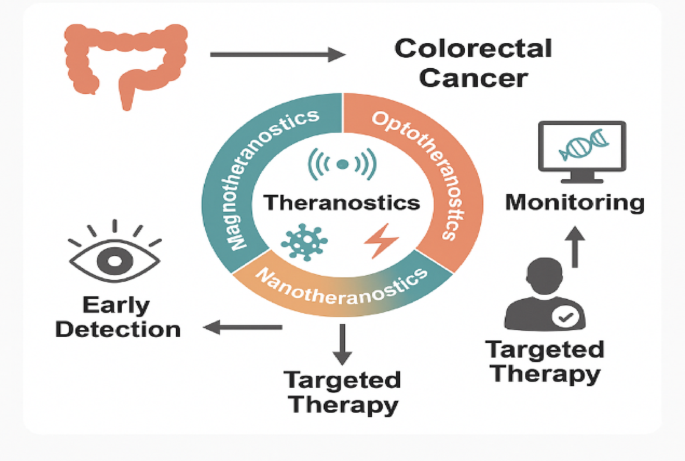
Modern AI systems are helping healthcare providers identify individuals at greatest risk. By analyzing:
- Family history
- Genetics
- Lifestyle factors
- Laboratory data
- Medical records
AI can generate personalized risk profiles and recommend tailored screening schedules. This precision-medicine approach may improve outcomes while reducing unnecessary testing.
Advanced Diagnostic Capabilities
The integration of AI with modern diagnostic technologies is creating unprecedented opportunities for early detection.
High-Definition Colonoscopy
Modern endoscopes provide ultra-high-resolution imaging that improves lesion visualization.
Narrow-Band Imaging (NBI)
NBI enhances blood vessel patterns and mucosal structures, helping identify suspicious lesions.
Chromoendoscopy
Special dyes highlight abnormal tissue, improving the detection of flat lesions.
Liquid Biopsy
Emerging blood-based tests can identify circulating tumor DNA and cancer biomarkers. These minimally invasive tests may complement traditional screening methods in the future.
Molecular Profiling
Genetic analysis helps identify tumor characteristics and guide treatment decisions.
Advanced Treatment Capabilities
Treatment options for colon cancer have evolved dramatically over the past decade.
Minimally Invasive Surgery
Laparoscopic and robotic-assisted surgery offer:
- Smaller incisions
- Faster recovery
- Less pain
- Reduced complications
Precision Oncology
Genetic testing allows physicians to select therapies tailored to specific tumor mutations. Common targets include:
- KRAS
- NRAS
- BRAF
- HER2
Targeted Therapy
Targeted medications attack specific cancer pathways while minimizing damage to healthy tissue.
Immunotherapy
Immunotherapy has revolutionized treatment for selected patients with specific molecular characteristics such as microsatellite instability-high (MSI-H) tumors.
These therapies help the immune system recognize and destroy cancer cells.
AI-Guided Treatment Planning
AI platforms assist oncologists by:
- Analyzing treatment outcomes
- Predicting therapy response
- Recommending evidence-based strategies
- Optimizing personalized care plans
Challenges and Ethical Considerations of AI Screening
Despite its promise, AI screening faces several challenges.
Data Quality
AI systems require large, diverse datasets to ensure accuracy.
Regulatory Oversight
Healthcare authorities continue developing standards for AI implementation.
Privacy Concerns
Patient data security remains a critical priority.
Clinical Validation
AI should complement, not replace, physician expertise. Successful integration requires careful validation and ongoing monitoring.
Robotic Surgery
Robotic surgery has emerged as one of the most advanced treatment options for colon cancer, offering greater precision, improved surgical outcomes, and faster recovery compared to many traditional surgical approaches. As part of the modern management of colorectal cancer, robotic-assisted procedures are increasingly being used in leading cancer centers worldwide.
During robotic surgery, the surgeon controls highly sophisticated robotic instruments through a computerized console. The robotic system does not operate independently; instead, it translates the surgeon’s hand movements into precise, minimally invasive actions. This enhanced control allows surgeons to perform complex procedures with exceptional accuracy, especially in difficult-to-reach areas of the colon and rectum.Recent clinical research has shown that robotic surgery can improve visualization through high-definition, three-dimensional imaging, enabling surgeons to identify and preserve important nerves, blood vessels, and surrounding healthy tissues. This level of precision may contribute to better surgical outcomes and improved quality of life after treatment.
Robotic surgery is particularly beneficial for selected patients with colorectal cancer who require complex tumor removal. It can also be integrated with advanced diagnostic technologies, including AI-assisted imaging and preoperative planning tools, which help surgeons assess tumor characteristics and optimize treatment strategies.
As technology continues to evolve, robotic surgery is becoming an increasingly important component of personalized cancer care. Combined with early detection, AI-powered diagnostics, targeted therapies, and immunotherapy, robotic-assisted surgery represents a significant advancement in the fight against colon cancer, helping improve survival rates and long-term patient outcomes across the globe.
The Future of Colon Cancer Screening
Experts predict that AI will become increasingly integrated into routine colorectal cancer care. Future developments may include:
- Fully automated polyp detection
- Enhanced virtual colonoscopy
- Real-time pathology analysis
- Multi-omics cancer prediction models
- Personalized screening pathways
- AI-driven population health screening programs
These innovations could dramatically reduce colorectal cancer mortality worldwide. Colon cancer remains a major global health challenge, but advances in early detection are changing the outlook for millions of people. Warning signs such as persistent bowel changes, blood in the stool, abdominal pain, unexplained weight loss, fatigue, and anemia should never be ignored.
Early detection remains the most effective strategy for reducing colon cancer deaths. Combining regular screening with advanced AI-powered diagnostic technologies is helping healthcare providers detect cancer earlier, improve treatment outcomes, and save more lives worldwide.
The emergence of AI-powered screening represents one of the most exciting developments in modern medicine. From AI-assisted colonoscopy and advanced imaging analysis to predictive risk assessment and personalized treatment planning, artificial intelligence is improving detection accuracy and helping clinicians identify cancer earlier than ever before.
Combined with advanced diagnostic capabilities such as high-definition colonoscopy, molecular profiling, liquid biopsy, and precision oncology treatments, AI is helping usher in a new era of colorectal cancer care. As research continues to evolve, the integration of human expertise and intelligent technology promises to save lives through earlier diagnosis, more effective treatments, and better long-term outcomes for patients around the world.
FAQs.
1. What are the earliest symptoms of colon cancer?
Early symptoms of colon cancer may include persistent changes in bowel habits, blood in the stool, abdominal pain or cramping, unexplained weight loss, fatigue, and iron-deficiency anemia. Some people may experience no symptoms in the early stages, making regular screening essential.
2. Can colon cancer develop without symptoms?
Yes. Colon cancer can develop silently for years without noticeable symptoms. Many cases are discovered during routine screening before symptoms appear, which is why preventive screening is highly recommended.
3. At what age should colon cancer screening begin?
Most major health organizations recommend that average-risk adults begin colorectal cancer screening at age 45. Individuals with a family history or other risk factors may need to start screening earlier.
4. What are the main risk factors for colon cancer?
Common risk factors include older age, family history of colorectal cancer, inherited genetic syndromes, obesity, smoking, excessive alcohol consumption, a diet high in processed meats, physical inactivity, and inflammatory bowel diseases such as Crohn’s disease and ulcerative colitis.
5. Is blood in the stool always a sign of colon cancer?
No. Blood in the stool can result from hemorrhoids, anal fissures, infections, or other gastrointestinal conditions. However, any unexplained rectal bleeding should be evaluated by a healthcare professional to rule out serious conditions, including colon cancer.
6. How accurate is colonoscopy in detecting colon cancer?
Colonoscopy is considered the gold standard for colorectal cancer screening because it allows doctors to directly examine the colon and remove precancerous polyps during the procedure. Its accuracy is further improved when combined with AI-assisted detection systems.
7. What is AI screening for colon cancer?
AI screening uses artificial intelligence and machine learning algorithms to analyze medical images, colonoscopy videos, pathology slides, and patient data. These systems help doctors detect polyps and early cancers more accurately and efficiently.
8. How does AI improve colonoscopy results?
AI can identify subtle abnormalities in real time during colonoscopy, alerting physicians to suspicious polyps that might otherwise be missed. Studies have shown that AI-assisted colonoscopy can increase adenoma detection rates and improve overall screening quality.
9. Can AI replace doctors in colon cancer diagnosis?
No. AI is designed to support healthcare professionals, not replace them. Physicians remain responsible for interpreting findings, making diagnoses, and determining the most appropriate treatment plans.
10. What are Computer-Aided Detection (CADe) and Computer-Aided Diagnosis (CADx)?
CADe systems help identify suspicious lesions during colonoscopy, while CADx systems assist in determining whether detected lesions are benign, precancerous, or cancerous. Together, they enhance diagnostic accuracy and decision-making.
11. Are there noninvasive screening options for colon cancer?
Yes. Noninvasive options include stool-based tests such as fecal immunochemical tests (FIT) and stool DNA tests. New AI-enhanced screening technologies are also being developed to improve the accuracy of these tests.
12. What is a liquid biopsy, and how can it help detect colon cancer?
A liquid biopsy is a blood test that looks for circulating tumor DNA and other cancer-related biomarkers. Although still evolving, this technology shows promise for early detection, monitoring treatment response, and identifying cancer recurrence.
13. What are the latest treatment options for colon cancer?
Modern treatment options include minimally invasive surgery, robotic-assisted surgery, chemotherapy, radiation therapy (for rectal cancer), targeted therapies, immunotherapy, and personalized treatment approaches based on genetic testing.
14. How does AI contribute to colon cancer treatment?
AI helps analyze large amounts of clinical and genetic data to support treatment planning, predict treatment responses, identify high-risk patients, and assist healthcare teams in developing personalized care strategies.
15. Can colon cancer be prevented?
Many cases can be prevented through regular screening, early removal of precancerous polyps, maintaining a healthy weight, exercising regularly, avoiding tobacco, limiting alcohol consumption, and following a diet rich in fruits, vegetables, whole grains, and fiber.
fatimaali3rocket@gmail.comhttps://healthandtechnologies.comhttps://healthandtechnologies.com